 Nearby
Chicago
Trump International Hotel & Tower Chicago
9.4· 2,222 reviews
approx. from£922 / nightSee prices
The Chicago issue
Seven miles south of the Loop, Hyde Park runs on campus time — Gothic quads, a swimmable limestone lakefront, great bookstores and a South Side cultural spine that’s about to change again.
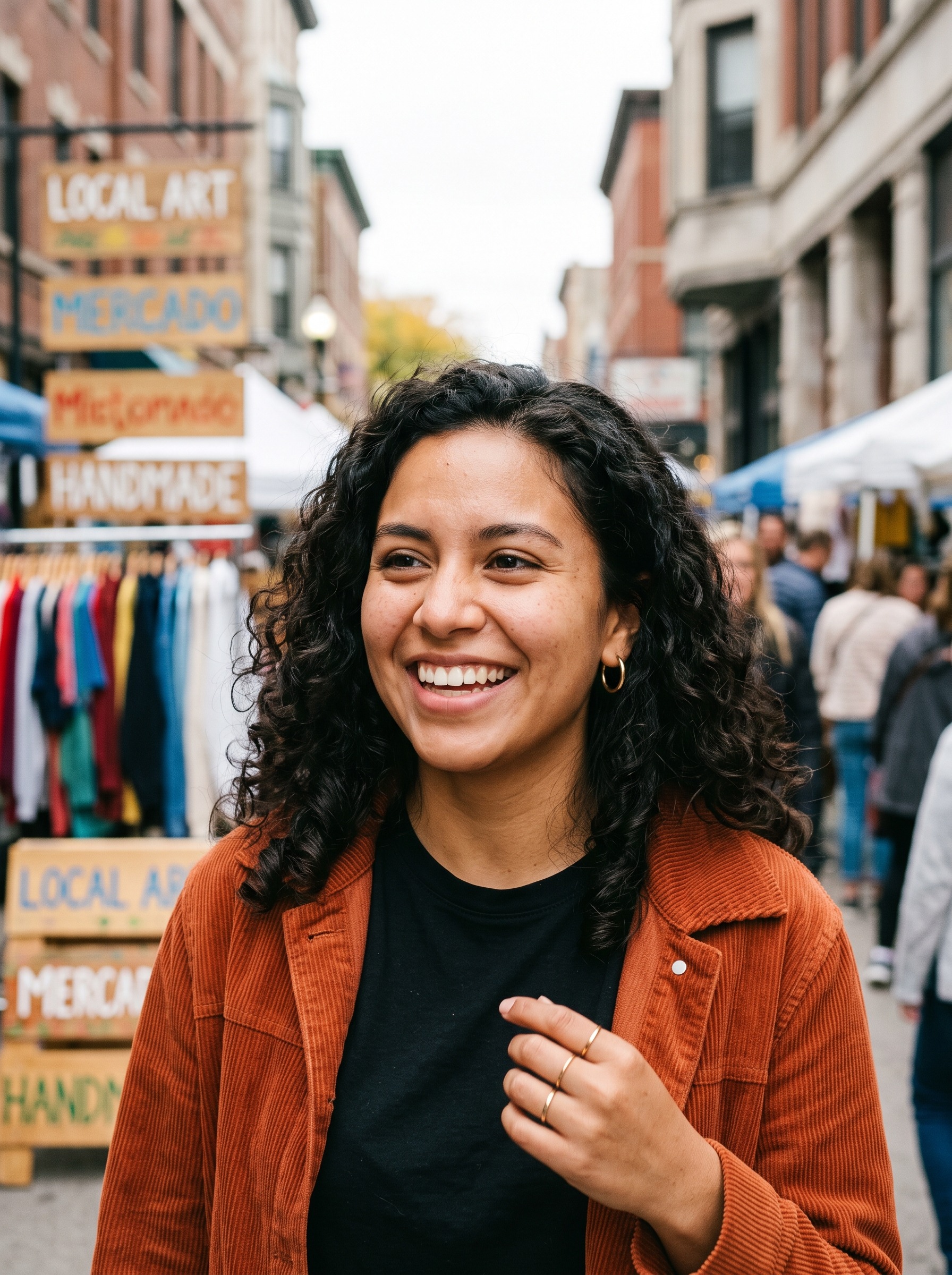
By Marisol ReyesChicago's makers, block by block
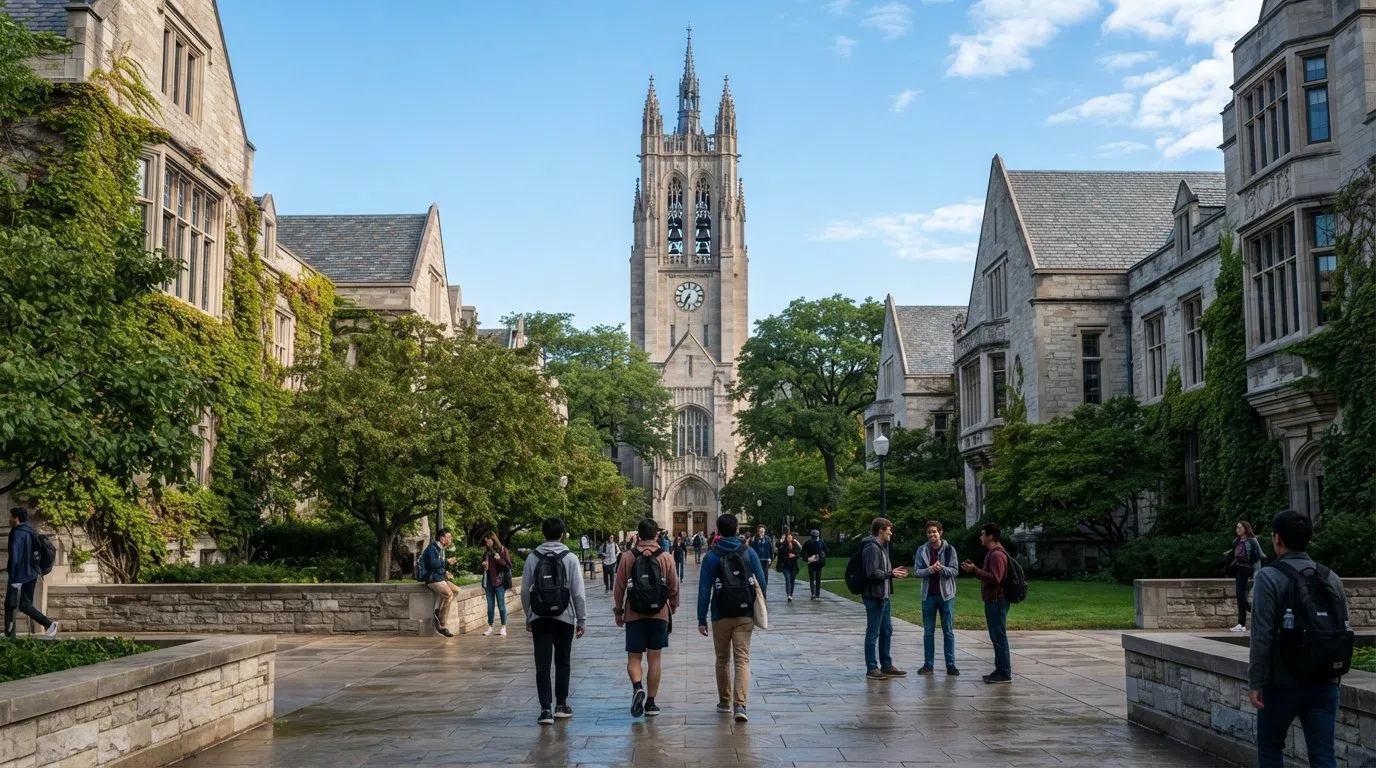
Seven miles south of the Loop, Hyde Park has its own clock and its own weather of thought. You feel it first in the stone: the University of Chicago’s Gothic Revival campus stretching westward, the Robie House sitting with almost insulting calm on a corner, the lakefront opening out to a limestone edge where people step into Lake Michigan with the skyline stacked behind them. This is Chicago at a slower register, a place where the day can be built around a museum, a bookshop, a long lunch, a carillon ringing over the trees. And with the Obama Presidential Center set to open in June 2026 just south in Jackson Park, Hyde Park is also standing at the lip of a new chapter.
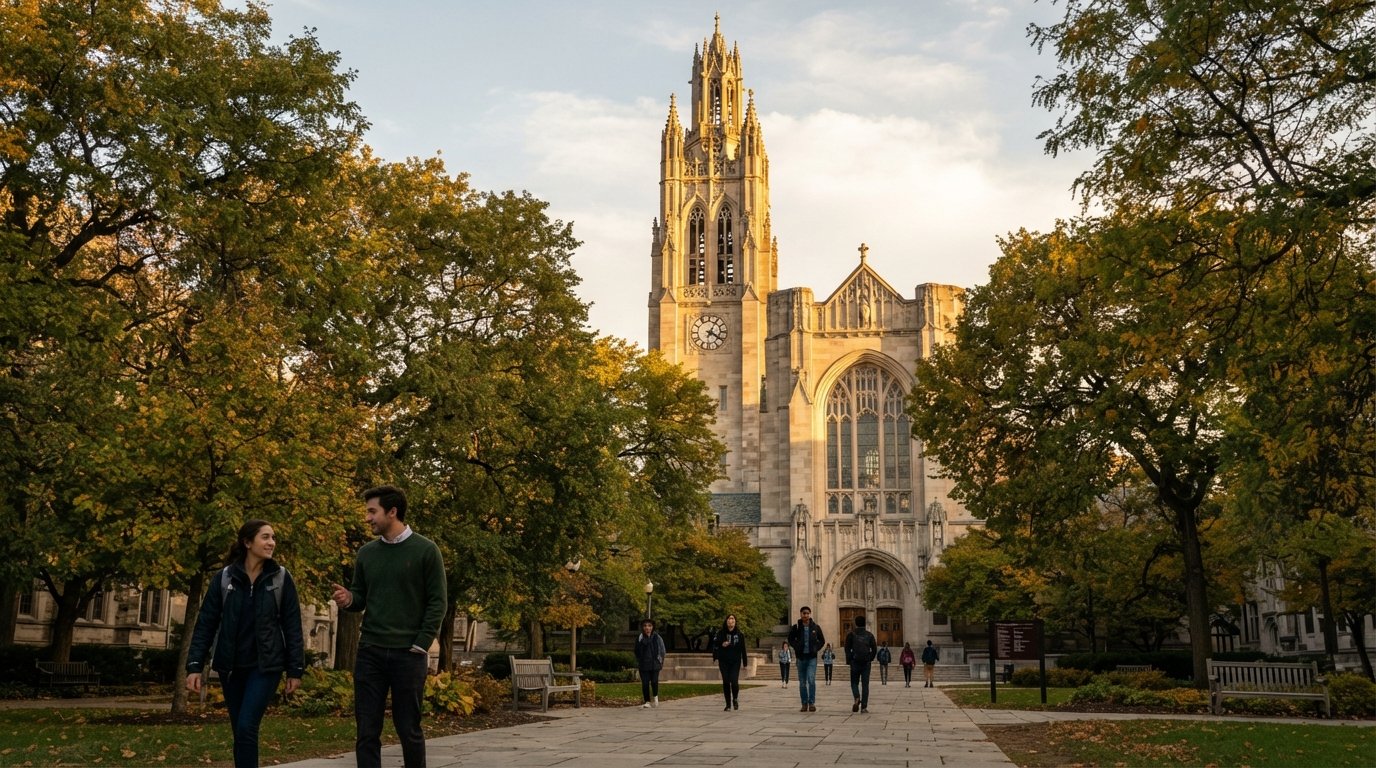
Hyde Park’s first claim is the University of Chicago, and not just because the campus takes up the western half of the neighborhood. The university has shaped the look, the pace and even the social grammar of the place. Reading weeks quiet the streets; term time fills them with people carrying books and arguing about them. The stone buildings do a lot of the talking. Rockefeller Memorial Chapel, dedicated in 1928, rises with the kind of solemnity that makes you lower your voice without meaning to. Its 200-foot tower holds the Laura Spelman Rockefeller Memorial Carillon — 72 bells cast in England, about 100 tons of bronze — the second-largest carillon in the world by weight after Riverside Church in New York.
Walk a little farther and the campus gives way to one of American architecture’s quiet miracles: the Robie House at 5757 S Woodlawn Ave. Frank Lloyd Wright’s 1910 Prairie-style masterpiece is a UNESCO World Heritage Site, and it still feels startlingly modern, all long horizontal lines and disciplined confidence. It sits on the northeast corner of Woodlawn Avenue and 58th Street, almost as if it were merely another elegant house in a very elegant neighborhood, which is part of the pleasure. Hyde Park doesn’t shout its landmarks. It lets them settle into the block.
The neighborhood’s other headline is the museum cluster that makes this stretch of the South Side feel like a cultural corridor rather than a residential district. On the eastern edge, in the last surviving building of the 1893 World’s Columbian Exposition, the Griffin Museum of Science and Industry remains the largest science museum in the Western Hemisphere. Its scale is the point, but so is the theatricality: a captured German U-boat, a working coal mine, a walk-through model heart. South and west, in Washington Park, the DuSable Black History Museum carries a different kind of authority. Founded in 1961, it was the country’s first independent museum of African American history, and it anchors the neighborhood’s historical memory as firmly as the university anchors its intellectual one.
Then there is the future, arriving in Jackson Park just beyond Hyde Park’s southern edge. The Obama Presidential Center, a 19.3-acre campus scheduled to open to the public on 19 June 2026, is the most consequential thing to happen to the South Side in a generation. Hyde Park has lived with anticipation before, but this one feels different: a museum, library branch, observation floor and 19 acres of new parkland that will redraw the map of how people move through this part of the city.
Live prices from our booking partners.
Free cancellation on many rooms. We may earn a commission when you book.
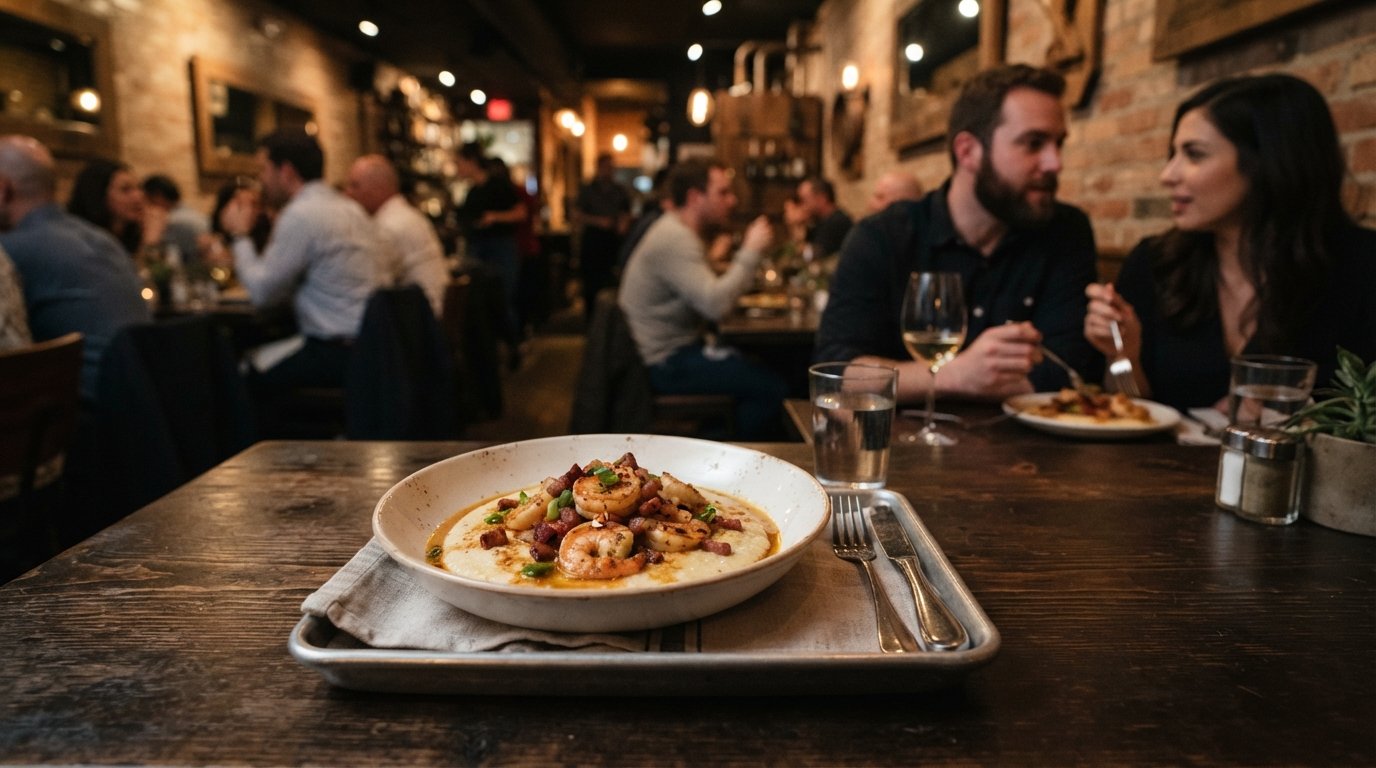
Hyde Park used to be the kind of neighborhood where you ate well if you knew where to look. That’s changed. The dining scene now has enough gravity to pull people south on purpose, and much of the credit belongs to chef Erick Williams. At Virtue Restaurant & Bar, 1462 E 53rd St, he built a flagship around refined Southern cooking — shrimp and grits, hot chicken, gumbo — and the room has held a Michelin Bib Gourmand for two years running. It’s the sort of place that could coast on reputation and doesn’t need to. The food is grounded, generous and precise, with the confidence of a kitchen that knows exactly where it is.
A few doors away in Harper Court, Daisy’s Po’ Boy and Tavern at 5215 S Harper Ave takes Williams’ instinct in a different direction. This is his “up-South” New Orleans spot, with po’boys, jazz on the speakers and a proper cocktail list, the kind of room that makes a neighborhood feel lived in rather than merely visited. You can come for lunch and stay into the evening without ever feeling the room tilt into performance.
On 53rd Street, 14 Parish Restaurant & Rhum Bar at 1644 E 53rd brings a different heat. It is an upscale Caribbean-fusion room built around a bar of more than 100 rums, with jerk, oxtail and a serious cocktail program. That rum bar matters. It gives the place a pulse, a reason to linger, a reason to order one more thing.
Over on 55th Street, Nella Pizza e Pasta at 1125 E 55th St is the sort of neighborhood pizzeria people become loyal to quickly. Naples-born pizzaiola Nella Grassano runs a Bib Gourmand Neapolitan shop where the wood-fired pies come with a chewy, charred cornicione and the easy authority of someone who knows exactly what a proper crust should do. It is a reminder that Hyde Park’s best food is often the food that knows how to be simple.
And then there is Valois, at 1518 E 53rd St, which is less a restaurant than a local ritual. Open since 1921, cash-only, cafeteria-line, with “See Your Food” over the door, it remains one of the most beloved breakfast counters in Chicago. Barack Obama’s favorite breakfast — eggs and grits watched onto your tray in real time — belongs here, but the room belongs to everyone who has ever wanted a meal served without fuss and with a little neighborhood soul.
Medici on 57th, at 1327 E 57th St, is the campus classic, feeding University of Chicago students since 1962. Deep-dish and wood-fired pizza, the Med Burger, carved wooden booths layered with graffiti — it has the right amount of wear on it. You can feel generations of students in the grain.
Hyde Park does not pretend to be a nightlife neighborhood, and that honesty is part of its charm. The big South Side music venue on the strip, The Promontory on Lake Park Avenue, closed at the end of 2025. What remains is quieter, older, more local and, frankly, better suited to the neighborhood’s temperament.
Jimmy’s Woodlawn Tap at 1172 E 55th St is the place everyone points you toward, because it really is the neighborhood’s living room. Cash-only, cheap, unpretentious, packed with students, professors and locals in roughly equal measure, it has been there since 1948 and takes its name from the late barkeep Jimmy Wilson, who ran it for half a century. On Sunday nights it hosts live blues and jazz, which is about as close as Hyde Park gets to a standing invitation to stay out late. The room feels like a Chicago argument in the best sense: alive, opinionated, a little smoky in memory if not in fact.
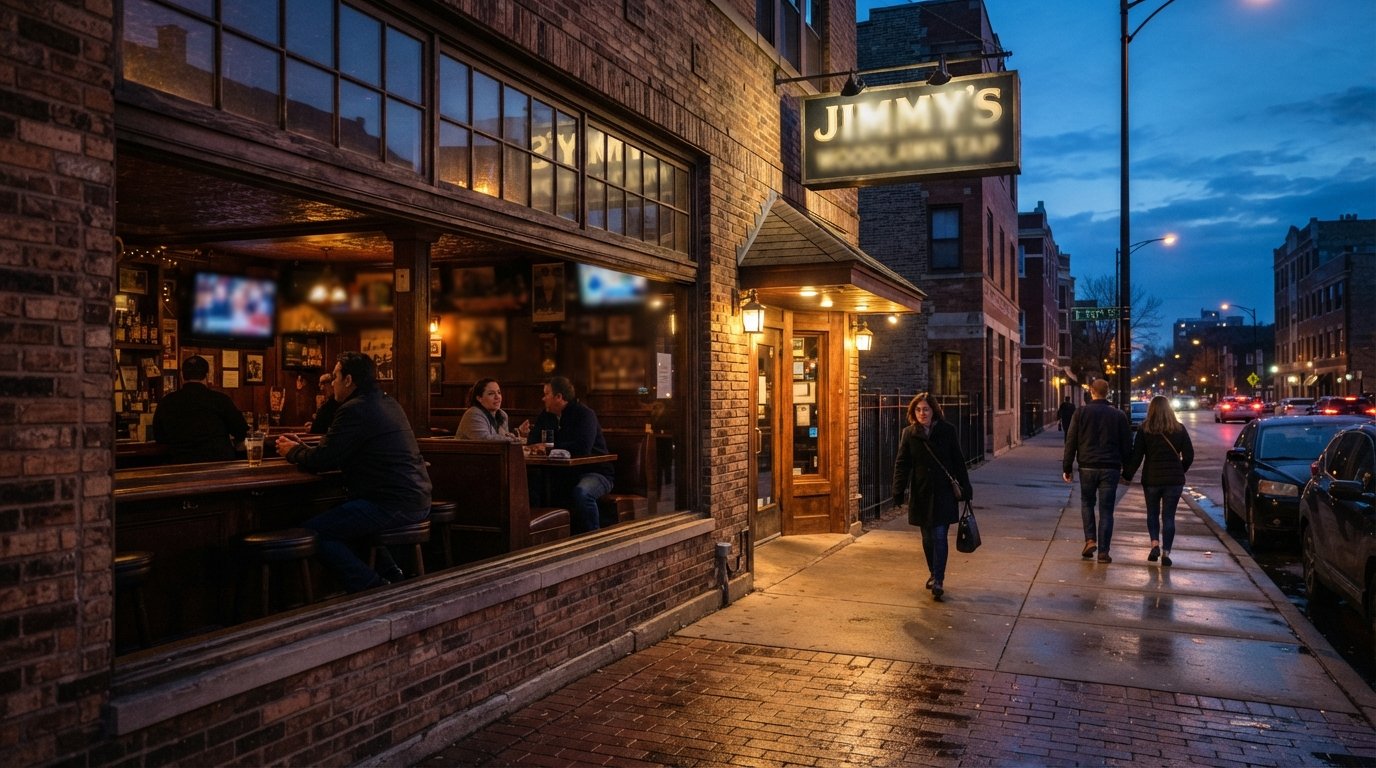
Beyond Jimmy’s, the after-dark life is mostly attached to restaurants. The rhum bar at 14 Parish gives you cocktails and a long, rum-heavy evening. Daisy’s does the same with a New Orleans tilt. Virtue has a late drink’s worth of gravity. There are also campus readings, lectures, film screenings and the free jazz and blues series at the DuSable Museum’s auditorium, which can be the better night out if you came to Hyde Park for ideas rather than noise. If you want clubs and late licenses, you go north. Down here, the evening is a set of blues, a good bourbon and a walk home under the trees.
You could fill two days in Hyde Park without leaving the neighborhood, and you should try. Start with the museums, because they tell you what this part of Chicago thinks it is for. The Griffin Museum of Science and Industry in Jackson Park is a full-day proposition, with the U-505 submarine, the coal mine and the Apollo 8 command module among the draws. It is not a museum you skim. It’s a museum you surrender to.
The Smart Museum of Art at 5550 S Greenwood Ave is the opposite in scale but not in seriousness: free, university-run and quietly excellent, with Rothko, Rodin and the original dining set Frank Lloyd Wright designed for the Robie House. That last detail feels very Hyde Park — art, architecture and domestic life folded into one another without apology.
Then there is the DuSable Black History Museum at 740 E 56th Pl, founded in 1961 as the first independent African American history museum. It is essential context for the South Side, and for Hyde Park’s own place within it. A neighborhood can be bookish and beautiful and still be incomplete without the right historical lens. DuSable provides it.
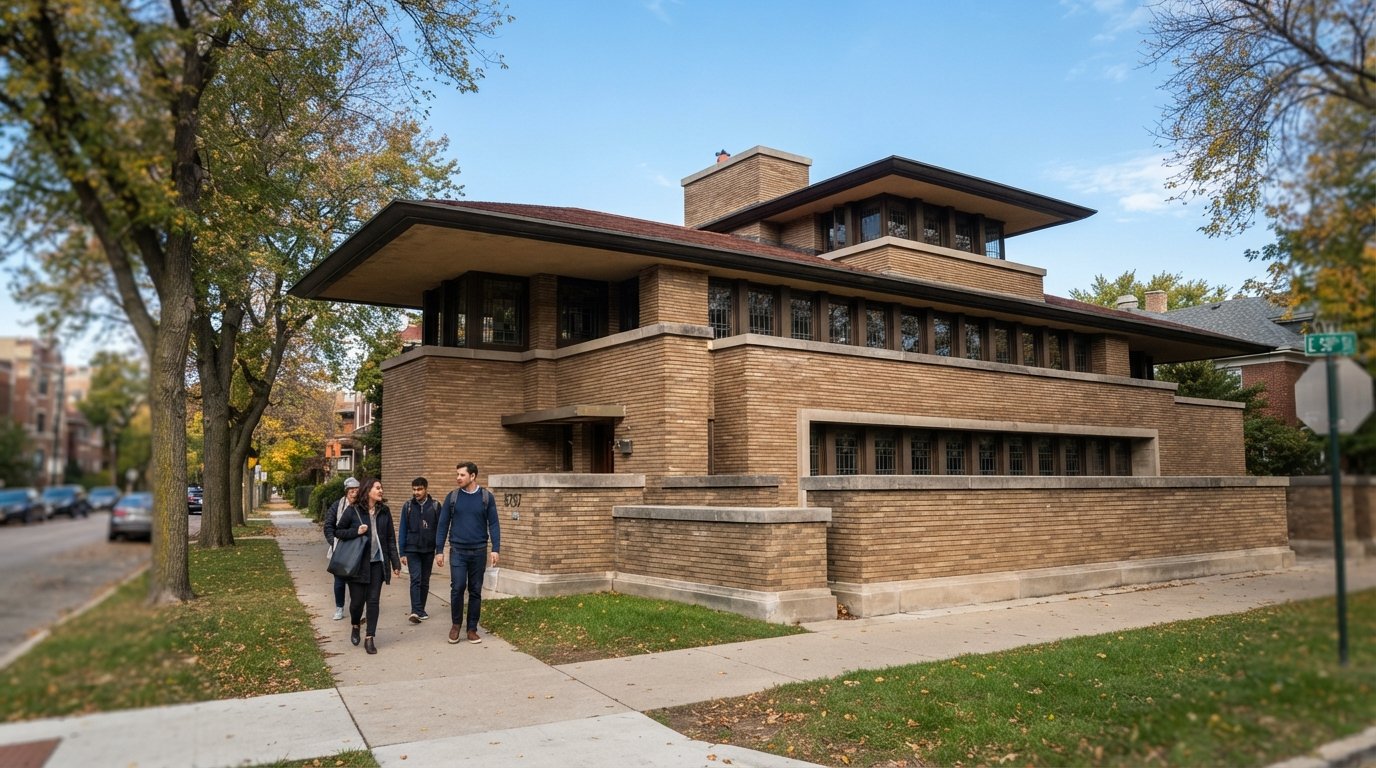
Book ahead for a guided tour of the Robie House, open Thursday to Monday, and if you can catch the Rockefeller Memorial Chapel carillon being played from the tower, do that too. The sound spills over the campus in a way that makes the stone seem to listen.
Then go to the lake. Promontory Point — “the Point,” to everyone who uses it — is a man-made limestone peninsula at 55th Street, opened in 1937, and it may be the neighborhood’s most democratic pleasure. Locals swim off the revetment steps straight into deep water and picnic with the downtown skyline laid out to the north. It is one of those Chicago places that feels both engineered and wild, which is the city at its best.
In Jackson Park, the Osaka Garden on the Wooded Island offers a quieter kind of beauty. It dates from the 1893 World’s Fair, and its moon bridge and lagoons now share the landscape with Yoko Ono’s Skylanding, twelve steel lotus petals on the site of the fair’s Japanese pavilion. Come spring, the Jackson Park cherry blossoms draw crowds. They always do. And from June 2026, the Obama Presidential Center adds its own scale to the park: museum, library branch, observation floor and 19 acres of new parkland. Hyde Park is about to have another reason to go south.
Frank Lloyd Wright's Robie House
The Museum of Science and Industry
Promontory Point park

Hyde Park shops the way a university town shops: books first, then everything else. The Seminary Co-op Bookstore at 5751 S Woodlawn Avenue is the place to begin. Founded in 1961 and now the country’s first not-for-profit bookstore devoted to bookselling, it is the kind of shop people speak about with a little reverence and a lot of gratitude. Floor after floor of university-press and small-publisher titles, a genuine destination for readers — this is not browsing in the casual sense. It is a pilgrimage.
Its sister shop, 57th Street Books at 1301 E 57th, has been serving the neighborhood since 1983 with a warm, general-interest range — fiction, kids’ books, cookbooks, sci-fi — in a cozy below-grade warren of rooms. It is the sort of place where you go in for one book and come out with a stack and a plan for the afternoon.
Beyond the books, retail clusters around 53rd Street and Harper Court, the neighborhood’s small open-air shopping hub. The Silver Room at 1506 E 53rd is the standout independent, an eclectic jewelry, art, clothing and home-goods boutique run by Eric Williams, the community organizer behind the long-running Sound System Block Party. You’ll also find record shops, a scattering of vintage and gift stores, and the everyday mix of a real neighborhood rather than a tourist strip. Hyde Park does not shop for spectacle. It shops for use.
Hyde Park is a limited but distinctive place to stay, which is another way of saying that if you choose it, you’re choosing the neighborhood itself. Lodging is concentrated near the University of Chicago, with a handful of campus-oriented hotels and inns plus apartment rentals and B&Bs in the surrounding greystones. The sweet spot is around 53rd, 55th and 57th Streets, where you can walk to Virtue, Valois, the Robie House and Promontory Point, and reach the Metra stations without thinking too hard about it. That makes the neighborhood unusually practical for a car-free trip built around museums, campus visits, architecture or the arriving Obama Center.
Stay here if you want to wake up inside the neighborhood’s actual life: students crossing campus, breakfast at Valois, a bookstore before lunch, the lake by evening. Stay downtown if your trip is about the Loop, the Magnificent Mile and the classic tourist circuit. Hyde Park is for people who want to be near the things that make Chicago think about itself.
Our best-rated stays in this neighbourhood. Prices are approximate “from” rates — confirmed at the provider when you continue. We may earn a commission if you book through our partners — at no extra cost to you.
Nearby Nearby
 Nearby
 Nearby
 Nearby
 Nearby
 Nearby
 Nearby
Hyde Park is compact and flat, which is why it works so well on foot. The campus, the 53rd/55th/57th Street commercial strips and the lakefront all sit within an easy stroll of one another. If you’re moving through the neighborhood itself, walk. If you’re going downtown, the fastest option is the Metra Electric District line: three Hyde Park stations — 51st/53rd St., 55th-56th-57th St. and 59th St./University of Chicago — run north to Millennium Station in the Loop in about 15 to 20 minutes, with midday trains roughly every 20 minutes. The 55th-56th-57th Street stop is the closest to the Griffin Museum of Science and Industry.
CTA buses do the rest of the work. The #6 Jackson Park Express runs up along the lakefront to downtown, and routes like the #2, #15, #28 and the #171/172 UChicago shuttles knit the neighborhood together. The nearest CTA ‘L’ station is Garfield on the Green Line, west of the neighborhood and best reached by connecting bus. Driving is straightforward, and parking is much less punishing than downtown. Midway is about 20 to 30 minutes by car; O’Hare is 40 to 60 minutes depending on traffic.
Hyde Park is a busy, walkable university neighborhood, safe by day and along the main streets and campus at night, though like anywhere in a big city you use normal caution after dark on quieter residential blocks and around the park edges to the south and west. Stick to the well-lit streets, and let the train or a bus do the long haul.
Gallery
Yes, especially if your trip is about the museums, the University of Chicago, architecture or the Obama Presidential Center. You can walk to the Griffin Museum of Science and Industry, the Robie House, the lakefront and some of the South Side’s best restaurants. The trade-off is distance: you’re about seven miles south of downtown and will rely on the Metra Electric or CTA buses for the Loop and the Magnificent Mile.
The University of Chicago and its Gothic campus, the Griffin Museum of Science and Industry, the DuSable Black History Museum, the free Smart Museum of Art and Frank Lloyd Wright’s UNESCO-listed Robie House. It’s also where Barack and Michelle Obama lived, and the Obama Presidential Center opens in adjoining Jackson Park on 19 June 2026. Add Promontory Point and the Seminary Co-op, and you’ve got the neighborhood’s whole personality.
For the most part, yes. Hyde Park is a busy, integrated university neighborhood that’s generally safe to walk by day and along its main commercial streets and campus in the evening. As anywhere in a big city, use normal caution after dark, especially on quieter residential blocks and around the park edges to the south and west. At night, stick to well-lit main streets and use the train, a bus or a rideshare rather than long solo walks.
The quickest option is the Metra Electric District line, which runs from three Hyde Park stations to Millennium Station in about 15 to 20 minutes. CTA buses are the other workhorse, especially the #6 Jackson Park Express along the lakefront. Driving is possible, but the train is usually the easiest way to reach the Loop.