The Chicago issue
Open House Chicago in Three Half-Days and Two Late Nights
Around 200 buildings open free of charge on 17 and 18 October 2026. Here is how to walk three of Chicago's districts properly instead of chasing the whole list.

By Bram de WitThe long way round any city
Chicago burned in 1871 and rebuilt itself so emphatically that the rebuilding turned into a school: the first steel-framed towers, the first Prairie houses, and a civic habit of treating buildings as public property whether or not they legally are. Open House Chicago, on Saturday 17 and Sunday 18 October 2026, is the weekend that habit becomes literal, with roughly two hundred buildings unlocking their doors for nothing, Loop banking halls and a working vinyl press on the West Side among them. The mistake visitors make is treating it as a scavenger hunt. Three districts walked properly will beat twenty sites chased across forty miles of grid.
Start on the river and look at the whole thing first
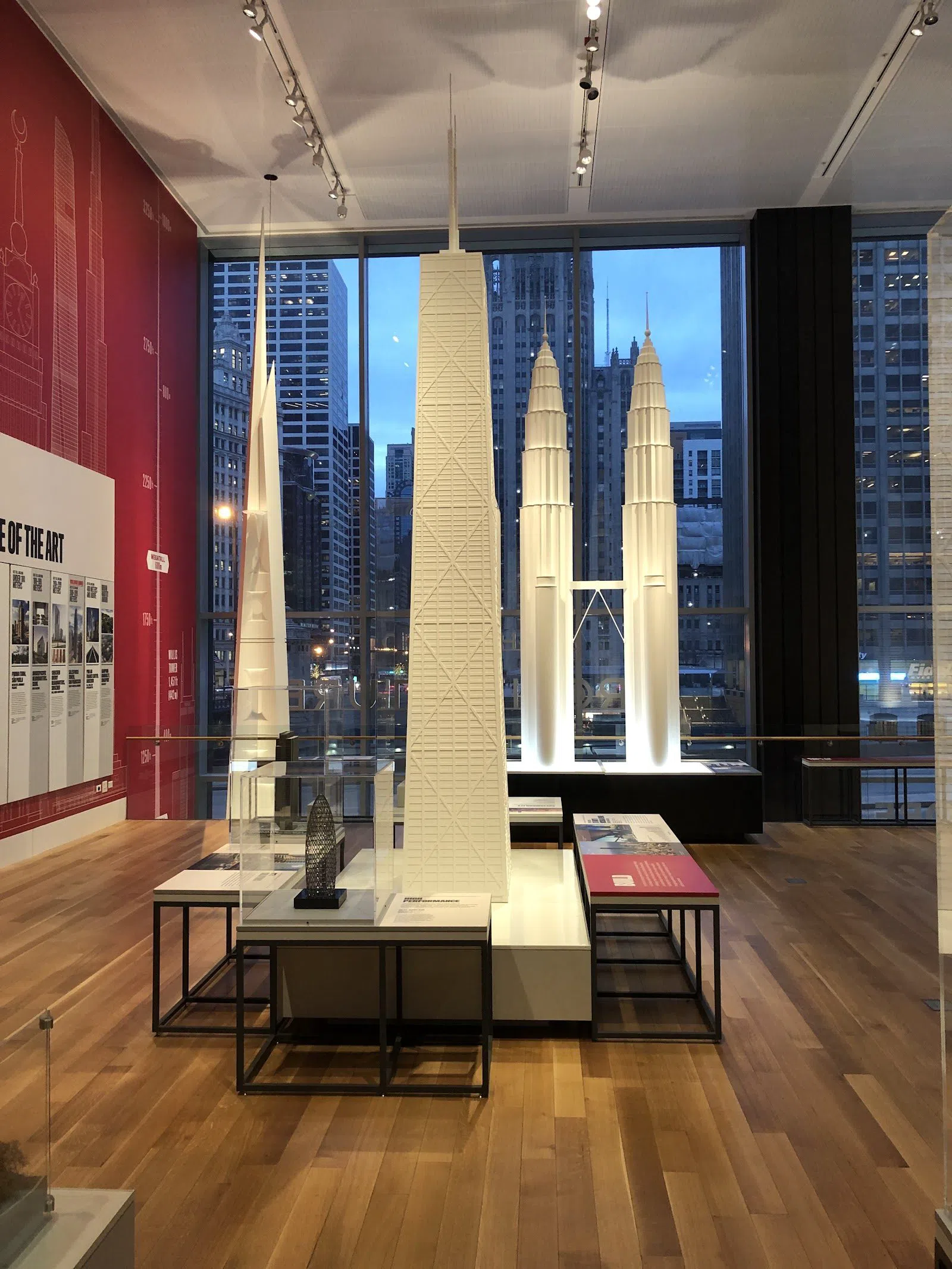
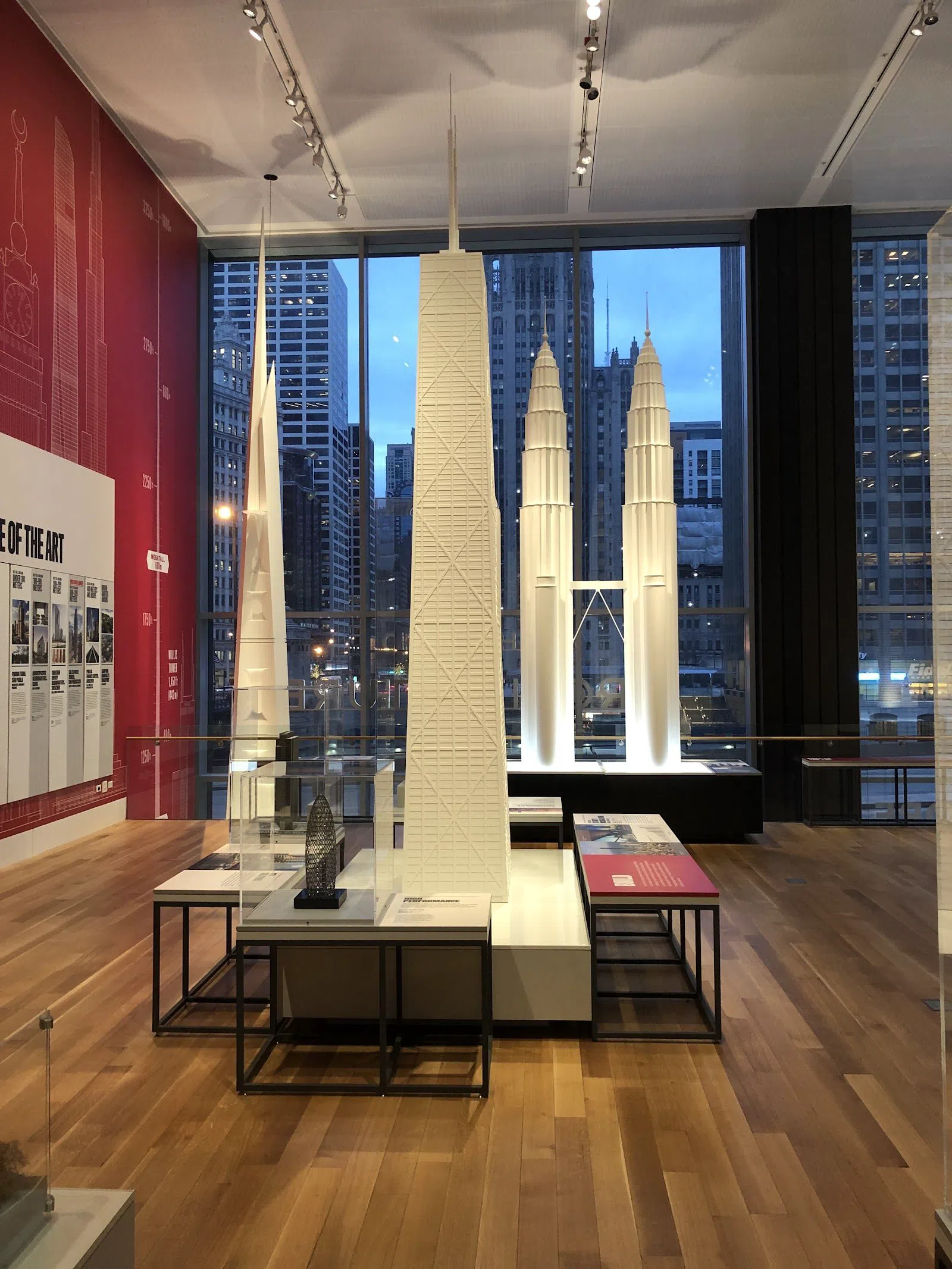
Arrive on the Friday if the flights allow it. Chicago Architecture Center (the Loop, where Michigan Avenue crosses the river) runs Open House Chicago, and it is also the only room in the city where the whole grid sits in front of you as a single object rather than a series of surprises at street corners. Gallery admission is $7, close to nominal, and an hour with the city model does more for the next two days than any amount of reading on the plane. There is no door policy to negotiate and group rates exist, so a party of any size can simply turn up.
Two practical notes. The Center's river cruise, run on its First Lady boats, costs roughly $50 to $60 per person and departures sell out well ahead of a festival weekend; the boats hold up to 250, so a large group genuinely can book together, but not on the day. And Center membership converts to a Priority Access Pass, which lets you skip the Open House queues. If your weekend takes in more than two or three of the popular sites, that pass pays for itself in standing time alone, since a first-year site can hold an hour-long line by mid-morning.
Plan your Chicago trip
Live prices from our booking partners.
Free cancellation on many rooms. We may earn a commission when you book.
A Loop half-day between Randolph and Congress
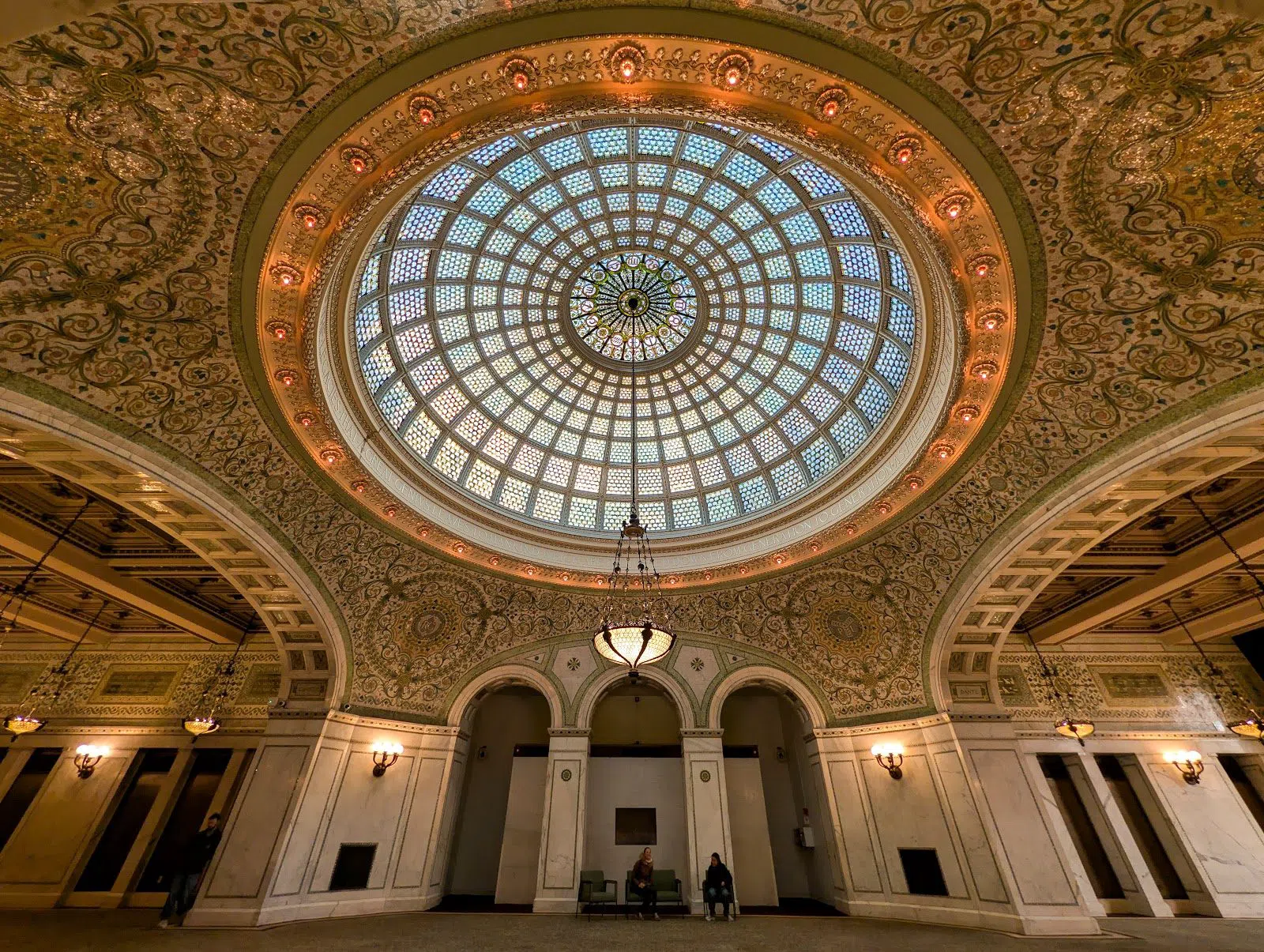
The Loop rewards walking in more or less a straight line. Begin at the Chicago Cultural Center (the Loop, on Randolph Street), which opened in 1897 as the city's public library and carries the largest stained-glass Tiffany dome in the world under a ceiling most people walk past on their way to a meeting. It is free, unticketed and completely indifferent to group size. Free docent tours run on Thursdays and Fridays, with sign-up in person at the Randolph Street desk on the day, so they do not run during the festival weekend itself, which is one more argument for landing on the Friday. It is also the best fallback position in the city: when a queue elsewhere turns out to be an hour deep, this is five minutes away and always open to you.
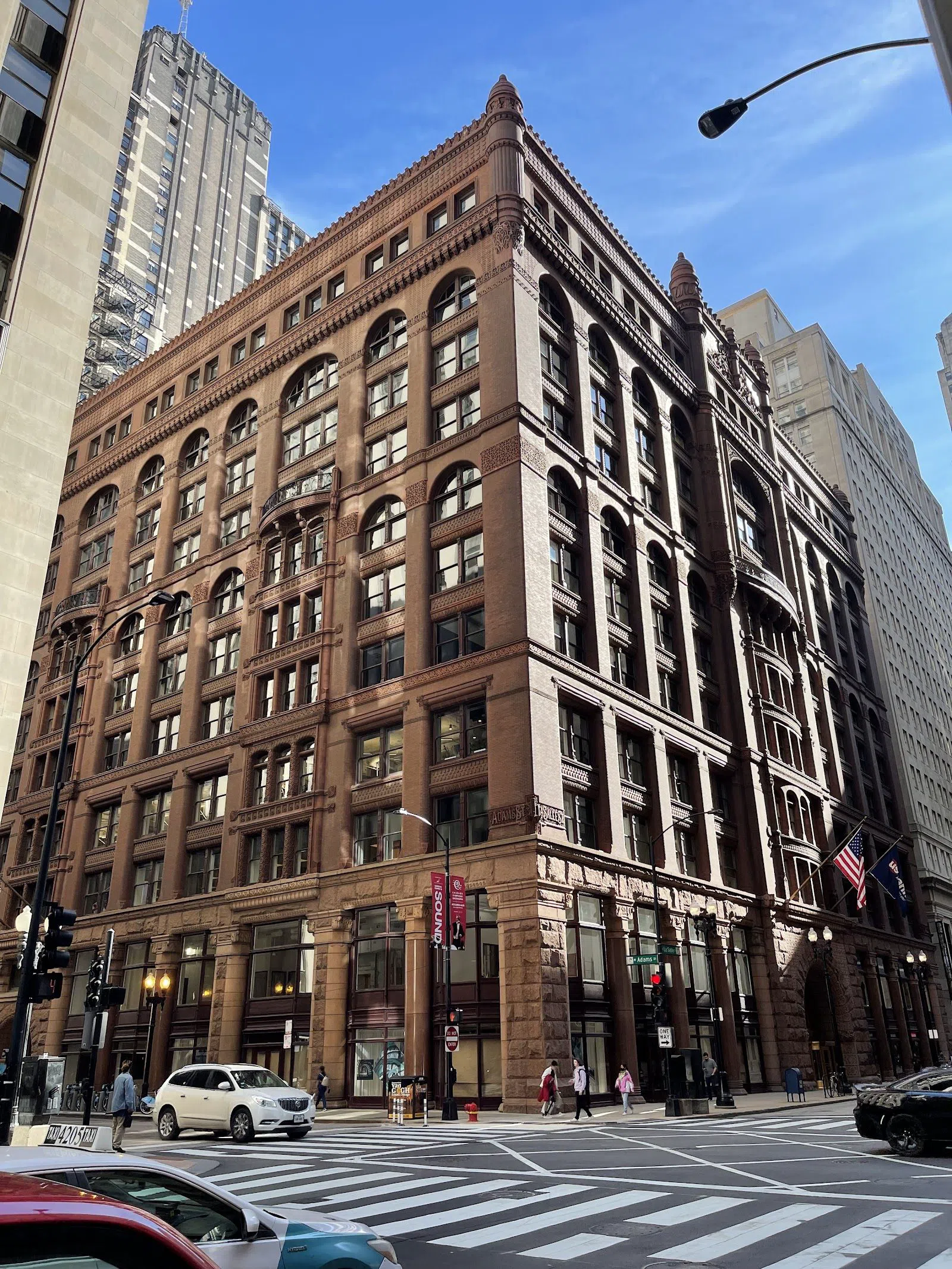
Ten minutes southwest, The Rookery Building (the Loop, at LaSalle and Adams) gives you the other half of the story. Burnham and Root built it in 1888; Frank Lloyd Wright remodelled the light court in 1905 and, politely, outshone them. Lobby entry through the Adams Street door is free and informal and nobody minds a group standing about in it. Deeper guided access runs through the Frank Lloyd Wright Trust and must be booked, around $20 to $25. In a normal week you would check the hours before crossing the Loop for it, because the lobby usually shuts at 2pm on Saturdays and stays closed on Sundays. That is precisely why the Open House weekend is the easy way in.
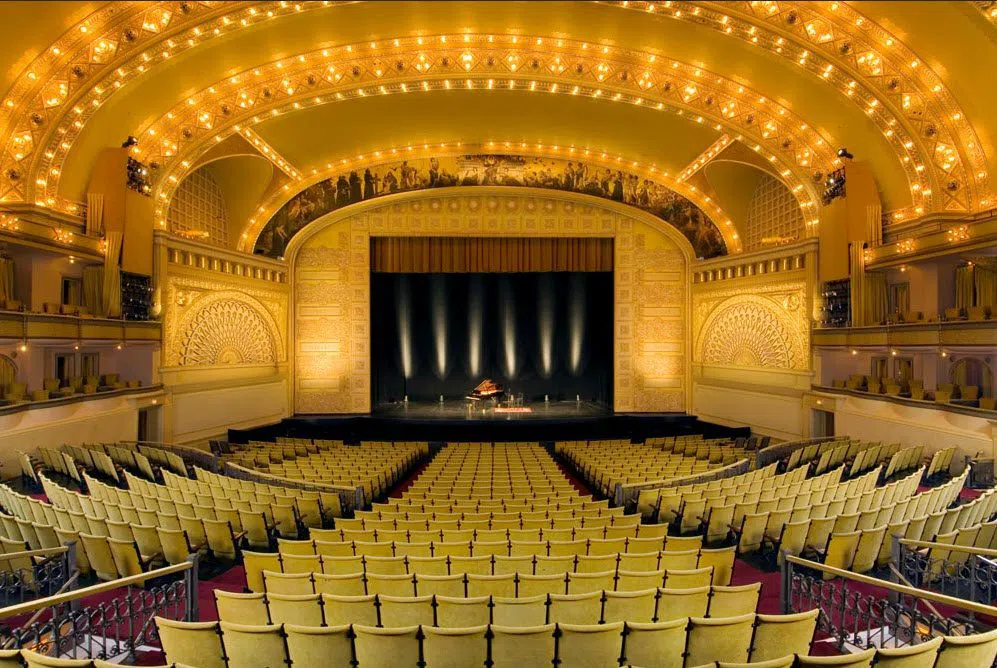
Carry on south to the Auditorium Theatre (the Loop, at the southern edge on Ida B. Wells Drive), Adler and Sullivan's 1889 room and still the most impressive piece of engineering on the walk. The gilding gets photographed; the acoustics are the actual achievement, because Adler shaped the hall so an unamplified voice reaches the top balcony, and it still works. Ticketed backstage tours run 80 to 90 minutes at roughly $20 to $30 and suit an organised group well; alternatively the theatre keeps its ordinary performance schedule, so a group can simply see a show. The stained-glass skylight above the balcony is under restoration until autumn 2027, so part of the atrium will be screened off. Worth knowing before you buy.
Randolph Street to Congress on foot is about twenty-five minutes end to end. That is your first half-day: three buildings, one axis, no transit fare.
The doors that stay shut the rest of the year
This is the part of the weekend that cannot be replicated in July, and it is where you should spend your patience.
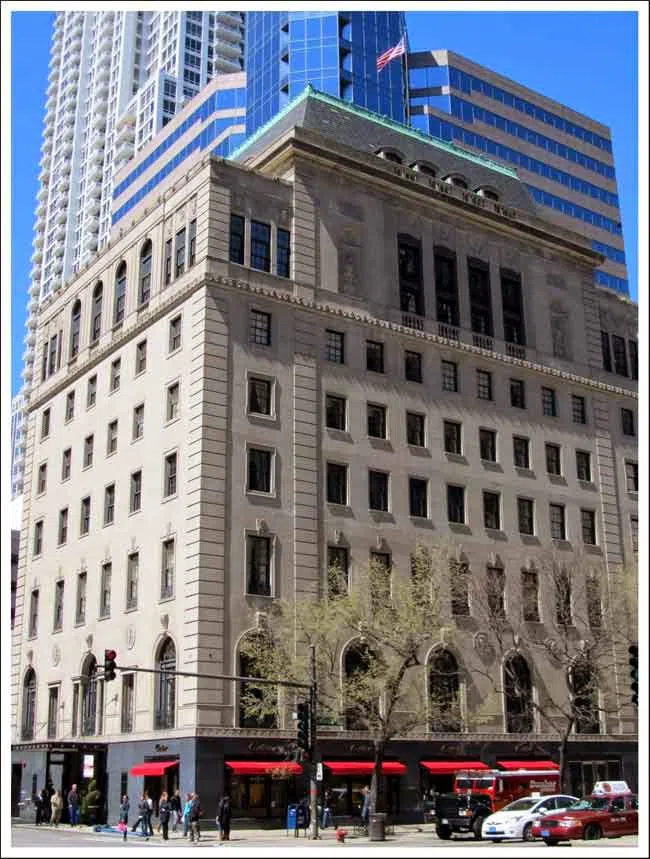
Woman's Athletic Club of Chicago (Near North, just off Michigan Avenue) was founded in 1898 as the first athletic club for women in the country and is members-only for the other 363 days. It is a debut Open House site for 2026, which means walk-in, first-come, and a queue that forms early. Small groups are fine, but be there at opening rather than after lunch.
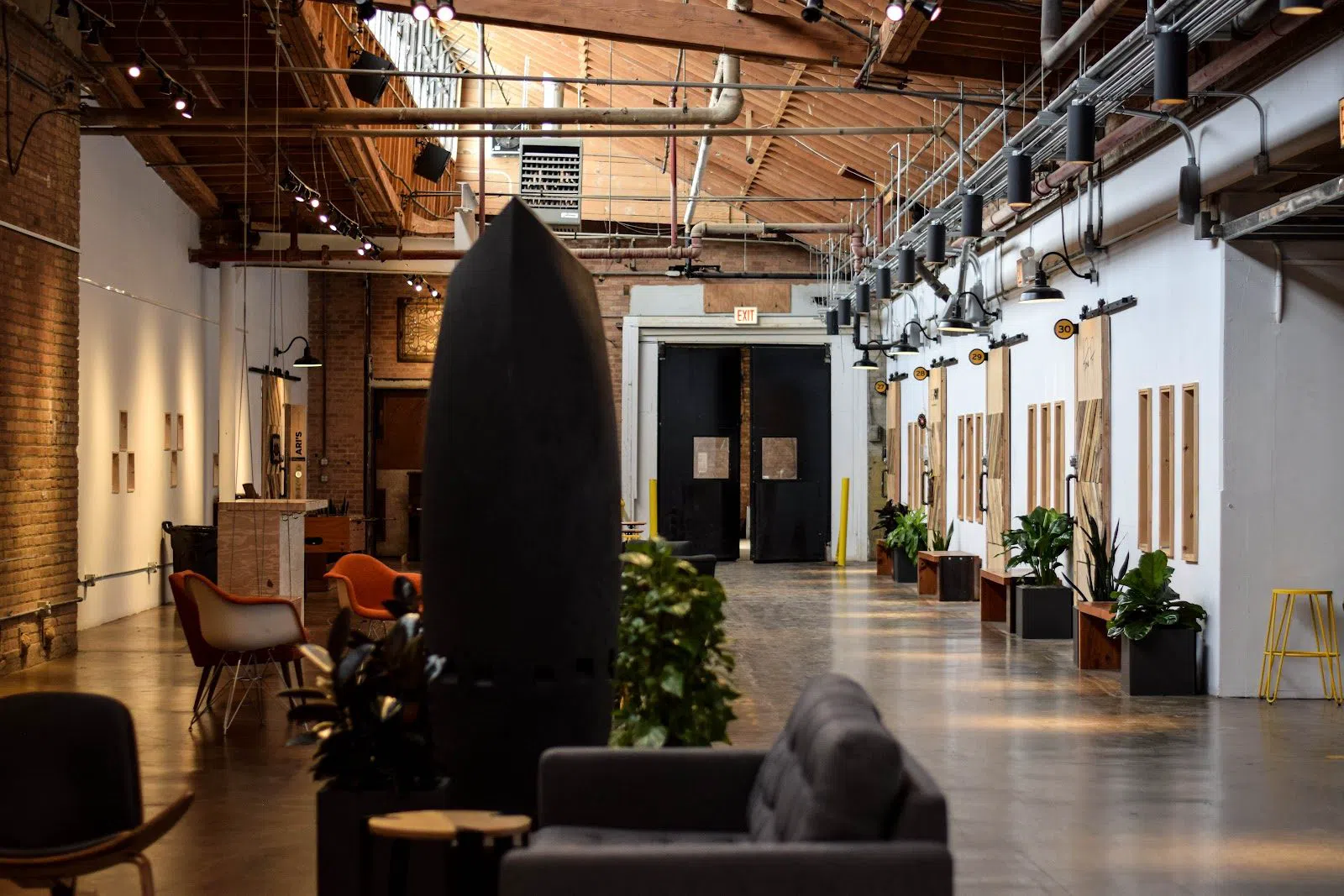
Smashed Plastic Record Pressing (West Side) is the city's first vinyl pressing plant in decades and runs the first steamless press in the world, turning out a record roughly every thirty seconds. Access is a walk-through in managed batches because the machinery is live; groups get split up and kept to marked routes, and that is the correct arrangement. It is an industrial site that is genuinely working rather than staged, and new for 2026.
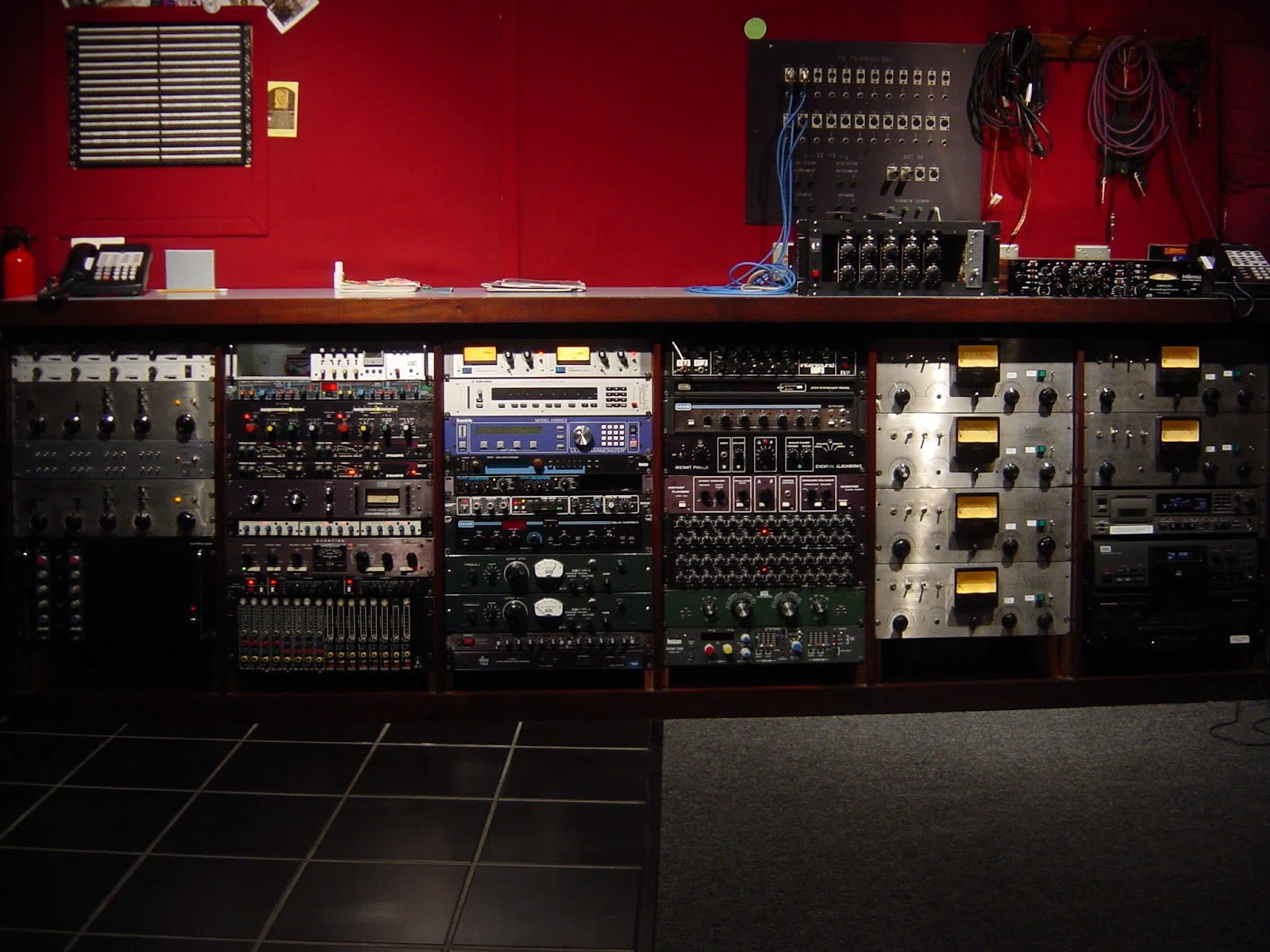
Electrical Audio (Avondale, on the north-west side) opens only for scheduled tours in small timed groups. It is a booked working studio the rest of the year and never a drop-in. Steve Albini died in 2024 and the studio resumed sessions two days later under its remaining staff, still artist-first and still booked solid, which tells you most of what you need to know about how the place is run.
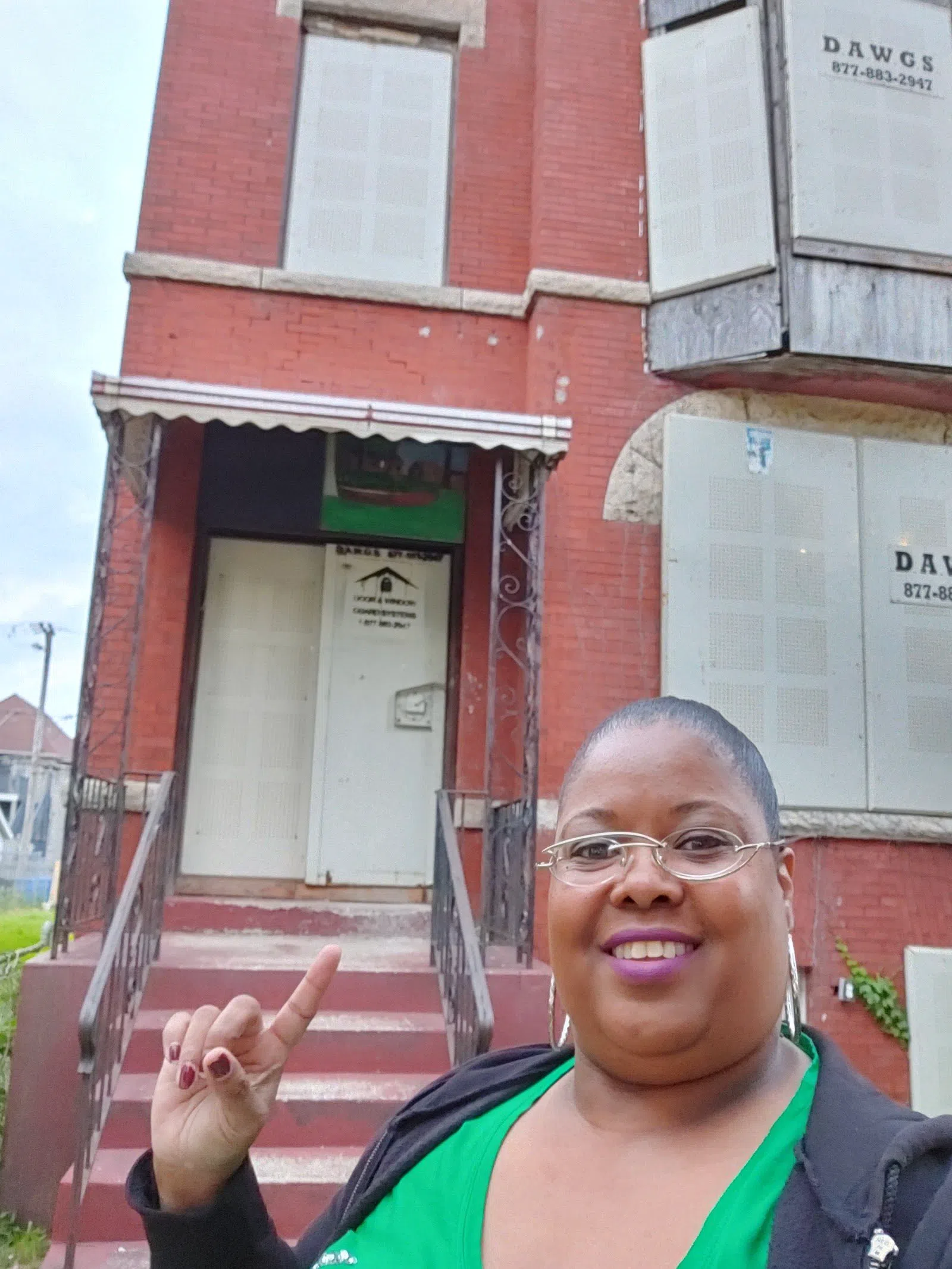
Muddy Waters MOJO Museum (Kenwood, South Side) deserves plain speaking. The restoration is still fundraising and the house is not yet keeping regular public hours, so its debut as a 2026 Open House site is realistically the only way an outsider gets to stand inside the building where Chicago electric blues was worked out. It is free that weekend, walk-in and first-come. It is also a house rather than a hall, so expect a controlled trickle and a wait.
One long Sunday on the South Side
Hyde Park and Kenwood sit close enough together to make a full day without doubling back, and Sunday is the right day for them because the Loop crowds thin out down here.
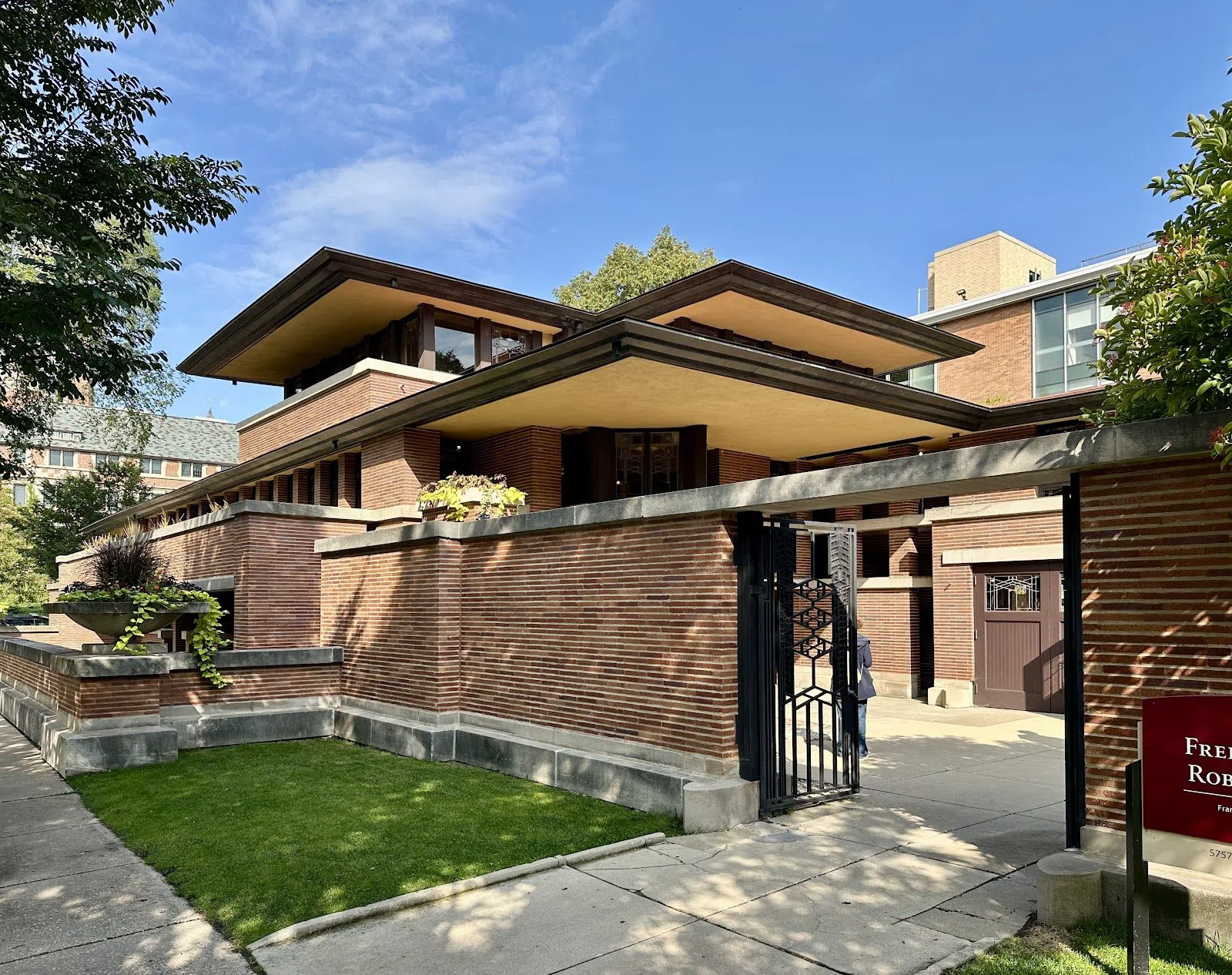
Frederick C. Robie House (Hyde Park, on Woodlawn Avenue) is a UNESCO World Heritage Site and the clearest single statement of the Prairie style anywhere, a house that argues from the pavement that the horizontal line is a moral position. Access is by guided tour only, with advance tickets and capped party sizes, roughly $25 to $30 per adult, so groups must book rather than turn up. It closes Tuesdays and Wednesdays, and the Thursday-to-Sunday 11am to 4pm slots fill fast on an architecture weekend. Book it before you land, not after.
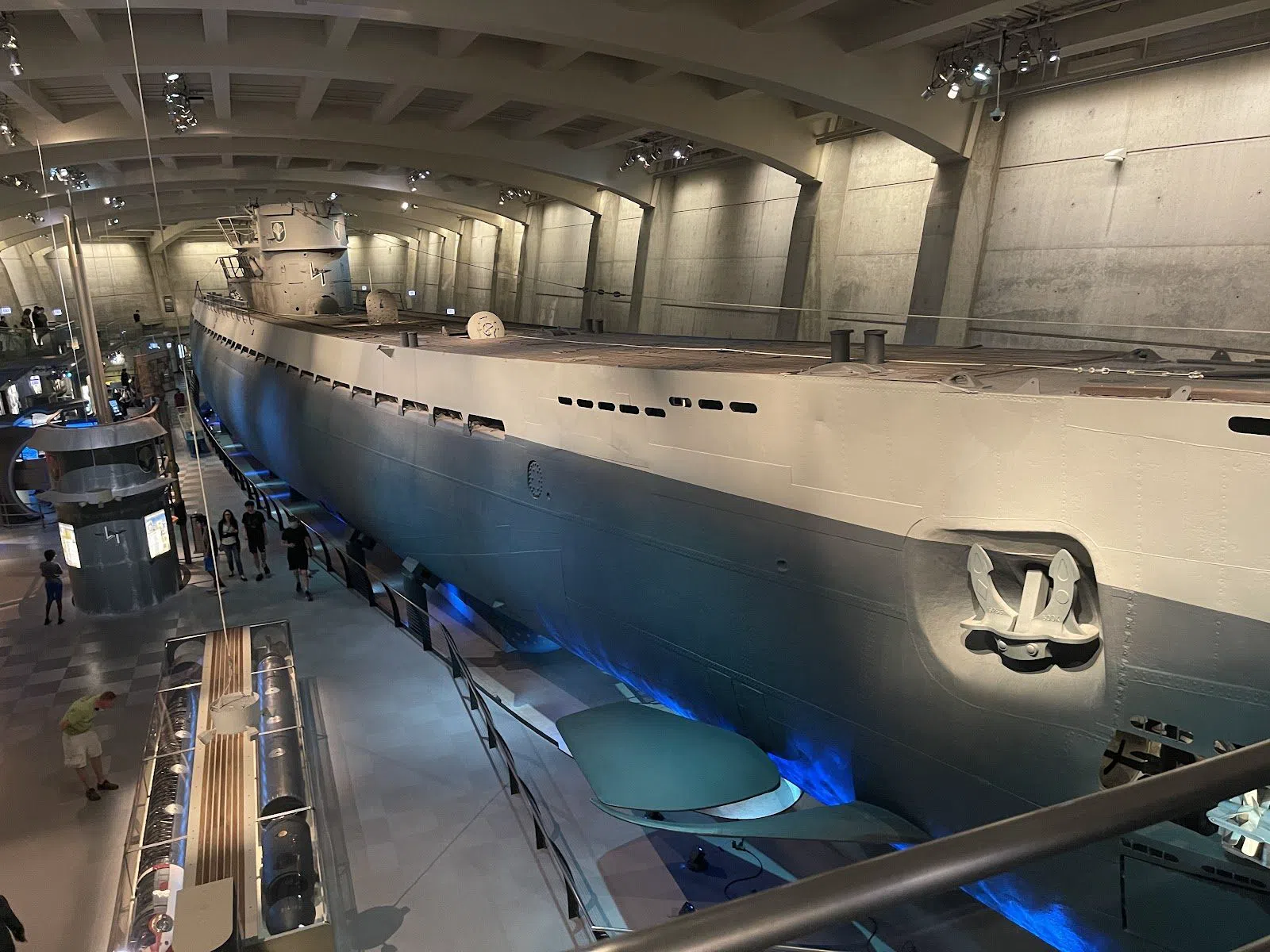
Ten minutes east, the Griffin Museum of Science and Industry (Hyde Park) is built for volume: timed general admission around $25 to $30, group rates, coach parking, and enough floor to absorb a large party without anyone losing a child. It was renamed the Kenneth C. Griffin Museum of Science and Industry in 2024 after a $125 million gift, so ignore older guidebooks still calling it MSI, and note it is a new Open House site for 2026. The building itself is the 1893 World's Columbian Exposition's Palace of Fine Arts, which makes the architecture as much of a reason to go as the exhibits. Allow half a day, because the timed-entry extras cost more and eat time.
The Muddy Waters house sits a short hop north of both, so the honest Sunday shape is Robie House at eleven, museum after lunch, and the blues house late if the queue has settled.
Uptown and Andersonville when it gets dark
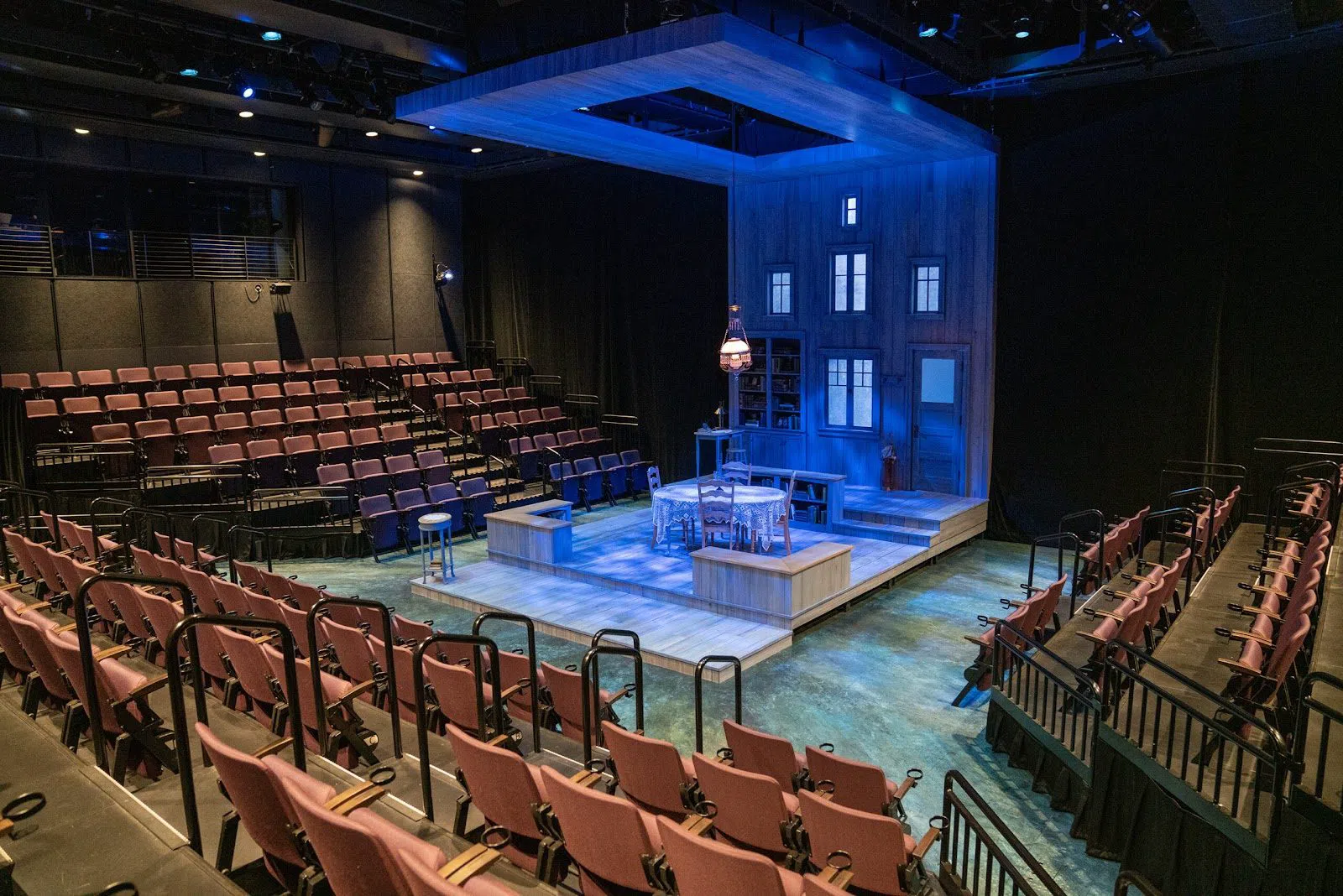
The north side is where the weekend stops being about daylight. TimeLine Theatre (Uptown) moved into a $46 million home that opened in March 2026 and more than doubled the company's seating; the ground-floor bar and cafe is open to anyone walking in, with no policy against groups, and play tickets run roughly $45 to $70. Group bookings for performances are welcome and worth making in advance on a festival weekend.
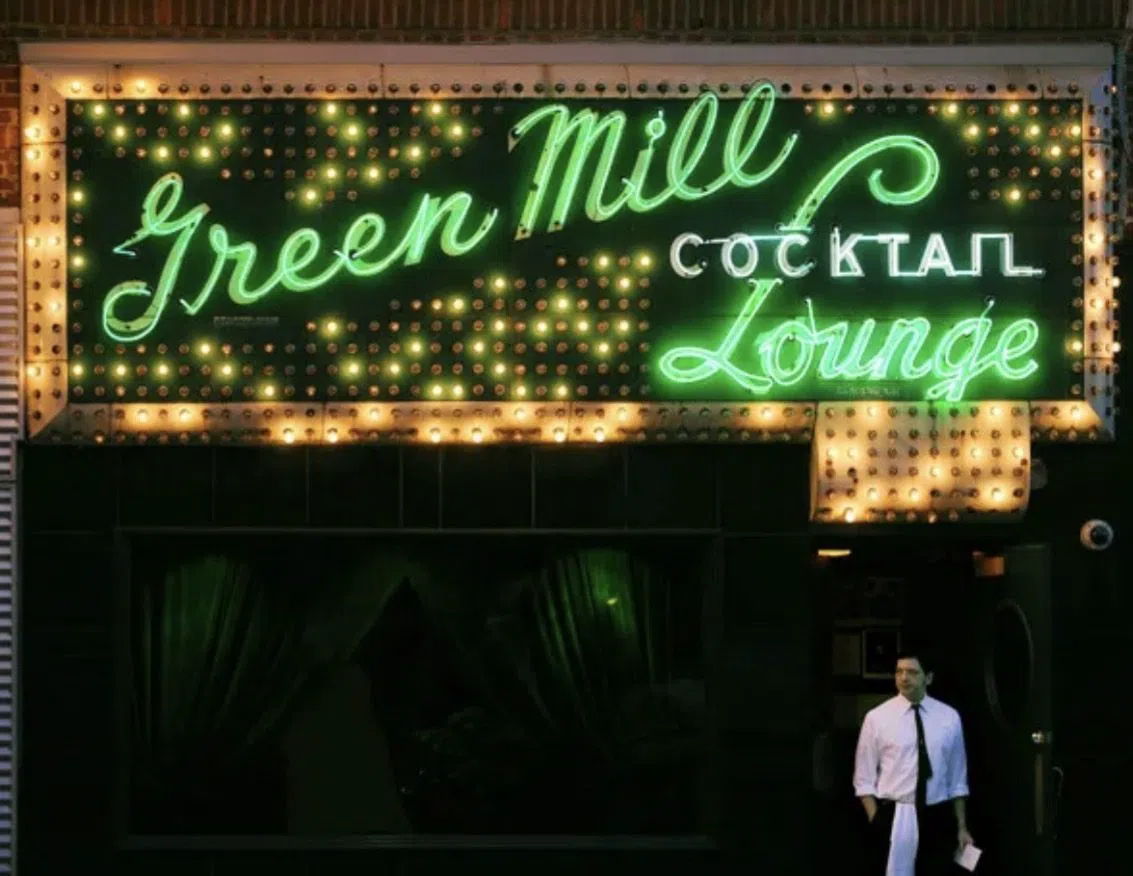
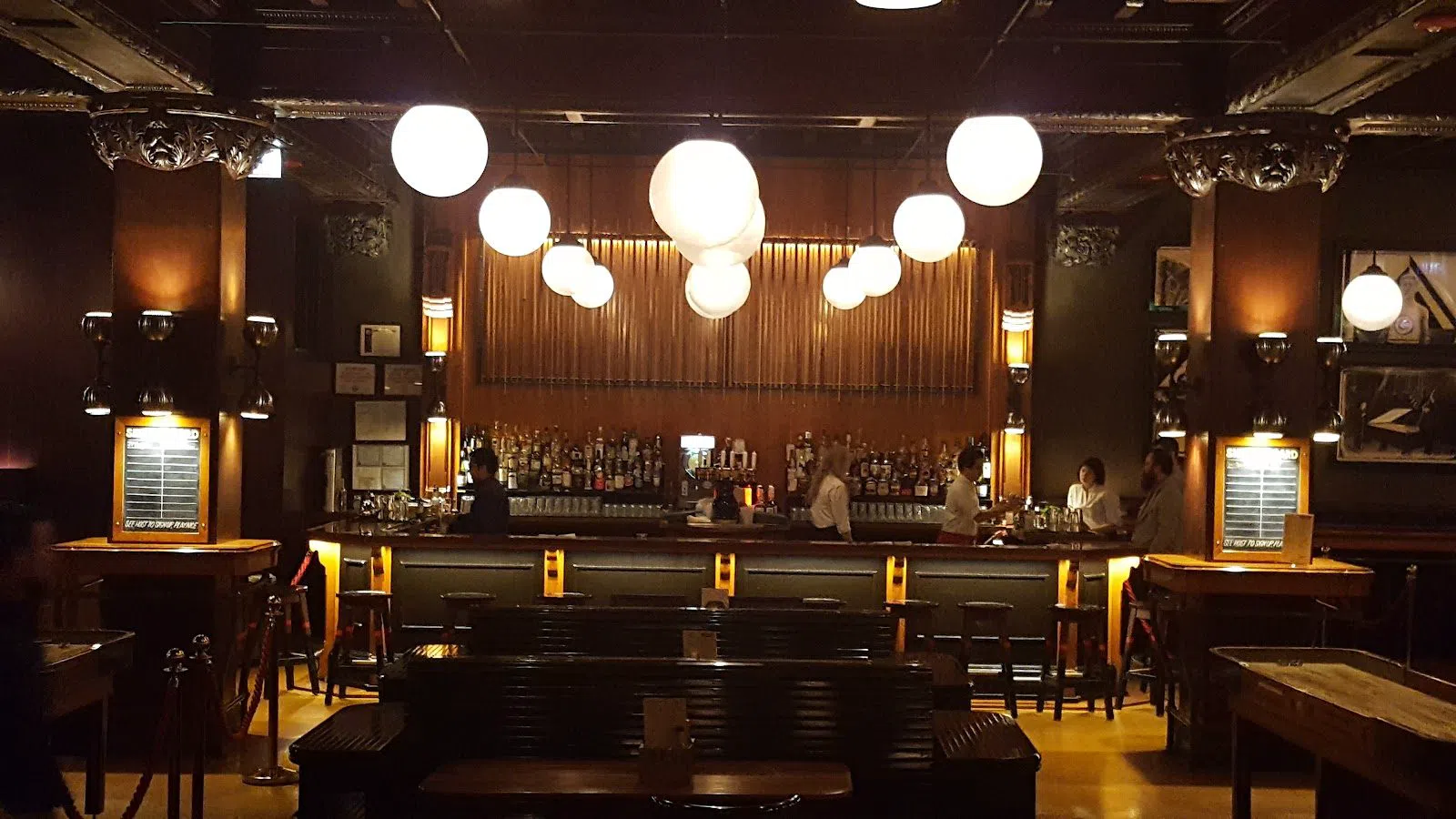
Two blocks away, Green Mill Cocktail Lounge (Uptown) is said to be the longest-running jazz club in the country, and under new ownership in 2026 it has restored the late sets: 4am on Fridays, 5am on Saturdays. It is walk-in with a $10 to $20 cover, no reservations, and no table service for large parties, so four to six people works and twelve does not. It is also strictly cash only at the door and at the bar, and the ATM excuse does not travel well there. Draw money before you get on the train.
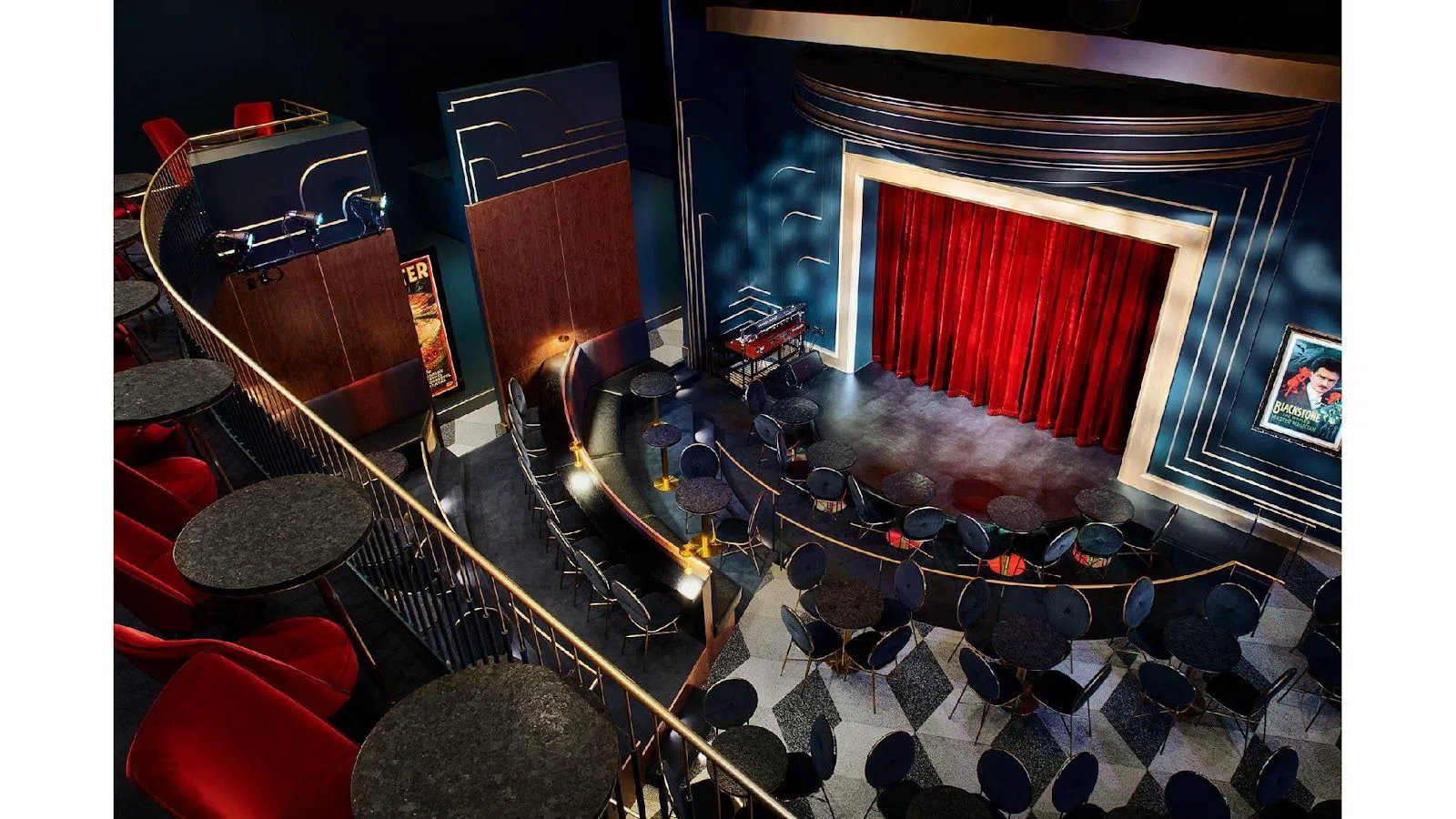
A little further north, Chicago Magic Lounge (Andersonville) puts close-up table magic inside a converted commercial laundry, which is not what most visitors expect this city to produce. Tickets run roughly $50 to $75 before food and drink, most shows have reserved seating and shareable plates, and there is a dedicated private-event side, all of which makes it the strongest group option of the three. The performance bar is 21+, with 16- to 20-year-olds admitted to the cabaret only with a parent or guardian. It books out on festival weekends, so hold seats when you book flights rather than on the day.
Eating without losing half the day to it
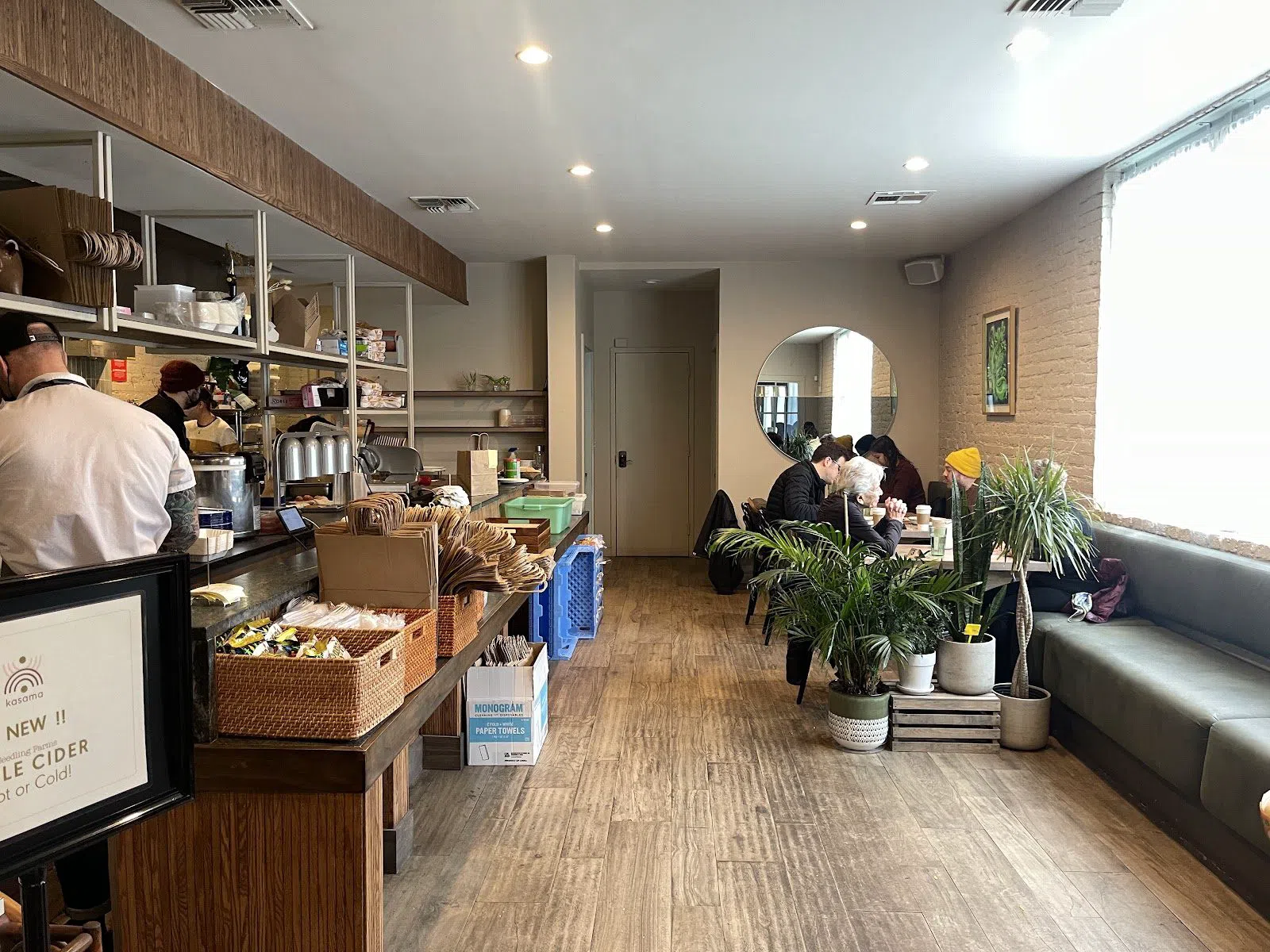
Kasama (Ukrainian Village) holds two Michelin stars and was the first Filipino restaurant in the world to hold any. The dinner tasting menu is $325 per person plus $95 to $195 for pairings, reservations open on Resy up to twelve weeks ahead, and the dining room is very small. It is a poor fit for a group and a brilliant one for two people who planned ahead. If the reservation does not land, go to the daytime bakery instead: counter service, walk-in, no booking, under $25 a head, and the same kitchen.
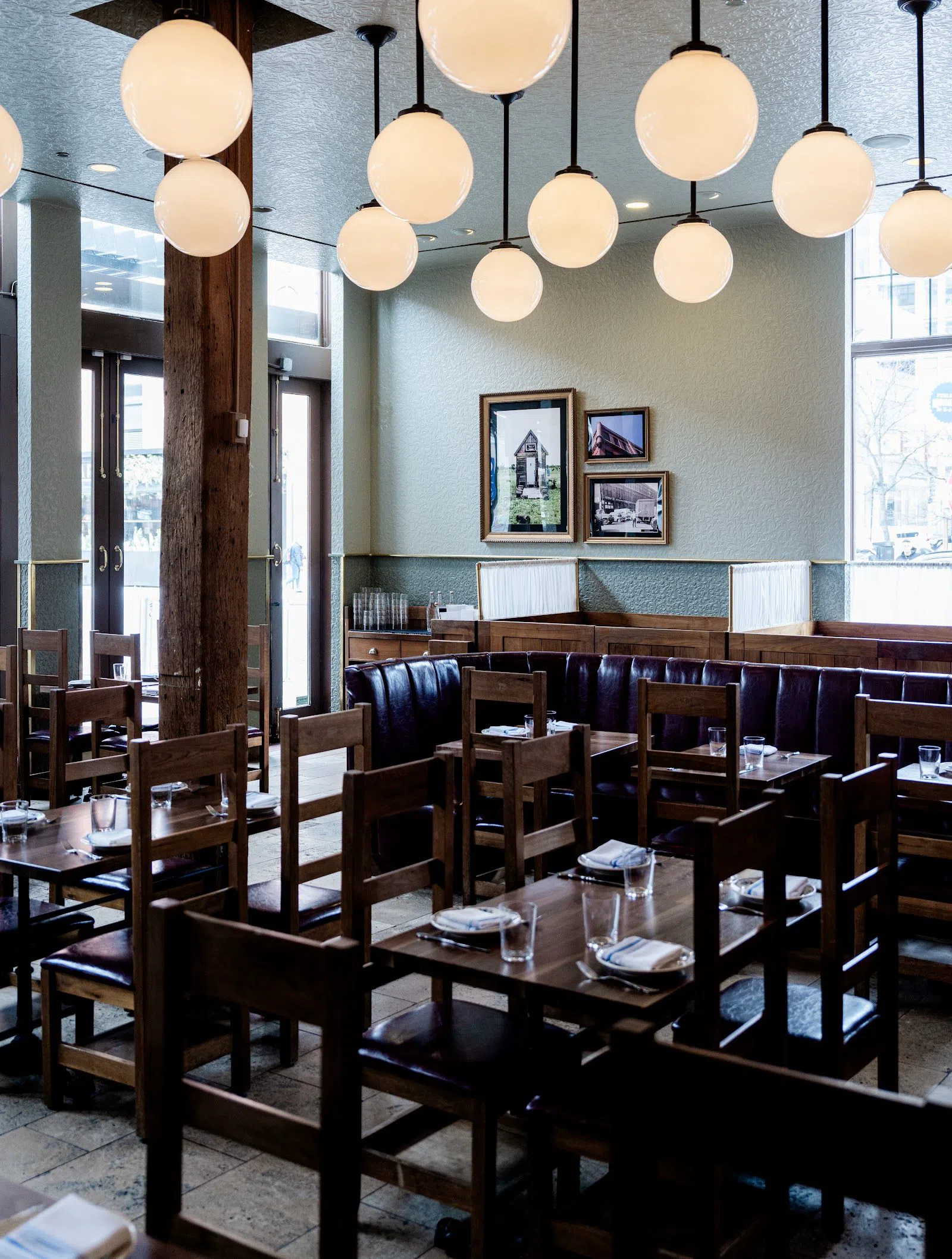
The Publican (Fulton Market) remains the most reliable group meal in the city, bookable through OpenTable at roughly $60 to $90 a head with drinks. A 2026 refresh under chef Rob Levitt pushed the menu toward vegetables and seafood without interfering with what the kitchen does to pork, and the beer list and oysters are still the argument for eating in this part of town. One change matters for parties: the long walnut communal tables were pulled out in the redesign, so a large group now needs a proper reservation rather than an opportunistic bench.
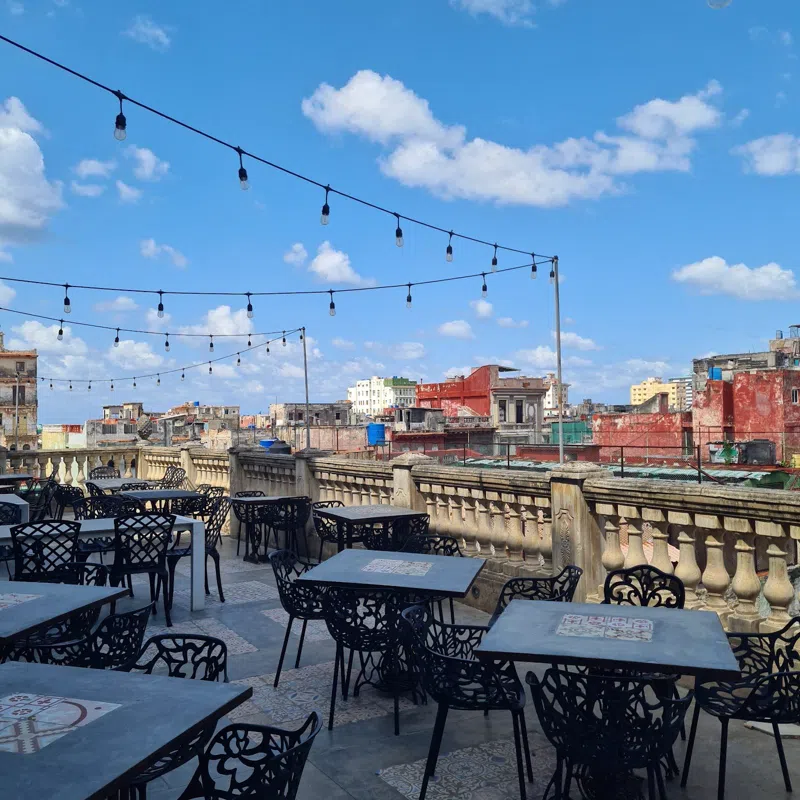
Cindy's Rooftop (the Loop, above Michigan Avenue) is the best-placed drink in the city for this particular weekend, because the view is the same skyline you have spent two days walking underneath. Reservations run through OpenTable and the room is set up for groups; cocktails are around $18 to $22 and dinner $60 to $80 a head. The indoor room stays usable when October turns, which matters far more in mid-October than the terrace does. It opens daily from late morning, so treat it as a mid-afternoon reset between sites rather than only an evening stop.
Where to base yourself
Staying in the Loop puts you inside the densest cluster of Saturday sites, within walking distance of the Cultural Center and the Rookery, and on top of every train line you will need for the outer districts, which is worth more than a quieter room on a weekend built around queue timing. Uptown is the alternative if the jazz matters more than the architecture. Compare rates on the Chicago hotel search and book by late September, because a festival weekend in good weather moves the whole market. The wider Chicago guide covers the districts this article leaves out.
Practical notes
Dates and cost. Open House Chicago runs Saturday 17 and Sunday 18 October 2026. Site entry is free; what you actually spend is queue time, and the Priority Access Pass through Center membership is the only way to buy past it.
Transport. You do not need a car and should not want one. Load the Ventra app for the L and buses, take the Red Line north for Uptown and Andersonville, and use Metra Electric or the Green Line south for Hyde Park and Kenwood. Divvy bikes fill the awkward last mile between South Side sites. Budget $10 to $15 a day per person on fares.
Cash. Green Mill is cash only, at the door and at the bar. Everywhere else in this article takes cards.
Timing. Sites open around 10am and the popular ones, Woman's Athletic Club especially, have their longest queues between 11am and 2pm. Start early, take the middle of the day for something ticketed and indoors, and save walk-ins for late afternoon.
Weather. Mid-October runs roughly 8 to 18°C (upper 40s to mid 60s Fahrenheit) with wind off the lake that makes it feel colder on the river. Layers, and shoes you can put fifteen kilometres a day into.
Budget. Excluding the room, a comfortable weekend lands around $250 to $350 per person: the Center gallery and a cruise, two ticketed tours, one good dinner, a jazz cover and fares. Strip out the cruise and the tasting menu and it drops under $150 without losing a single unlocked door.
Before you go
When is Open House Chicago 2026 and how much does it cost?
It runs Saturday 17 and Sunday 18 October 2026, with roughly 200 buildings open. Entry to the sites is free and unticketed. The one thing you might pay for is Chicago Architecture Center membership, which comes with a Priority Access Pass so you can skip the queues at the busiest sites.
What do I need to book in advance?
The Robie House interior tour (guided only, capped parties, closed Tuesdays and Wednesdays), Chicago Magic Lounge seats, the Architecture Center river cruise, and any dinner at Kasama, where Resy reservations open up to twelve weeks ahead. Everything else on this route is either a free walk-in or bookable a week out.
How many Open House sites can I realistically see in a day?
Four to six if they are clustered, fewer if you cross the city. Queues at debut sites like Woman's Athletic Club and Muddy Waters MOJO Museum can run an hour, and small houses admit people in a trickle. Pick one district per half-day and walk it rather than chasing a list.
Is it worth flying in on the Friday?
Yes. The Chicago Cultural Center's free docent tours run only on Thursdays and Fridays, with in-person sign-up on the day. The Architecture Center gallery is worth seeing before you start walking, and Green Mill's late sets on Friday run to 4am. It also puts you at the front of Saturday's first queue.
Can I do the whole weekend without a car?
Comfortably. The Loop half-day is all on foot, the Red Line covers Uptown and Andersonville, and Metra Electric or the Green Line reaches Hyde Park and Kenwood. Load the Ventra app and budget $10 to $15 a day in fares. Parking near festival sites costs more and is more trouble.