The Chicago issue
A First Chicago Weekend Built Around the Lakefront
Two days of parks, museums, boats and observation decks strung along Lake Michigan, in the order that actually walks, with 2026 opening dates, prices and the bookings you cannot leave to chance.

By Bram de WitThe long way round any city
Chicago faces a lake that behaves like a sea: no far shore, freighters parked on the horizon, and a wind that arrives with an opinion. The city's best decision was made in the nineteenth century, when a run of lawsuits and one very stubborn merchant kept the ground between the buildings and the water public. The result is eighteen unbroken miles of park, beach and path, and a first visit can simply be hung on it. Plan a weekend along that line and the city organises itself. Plan it around attractions scattered inland and you will spend the trip in transit.
Ride the shoreline before you tick anything off
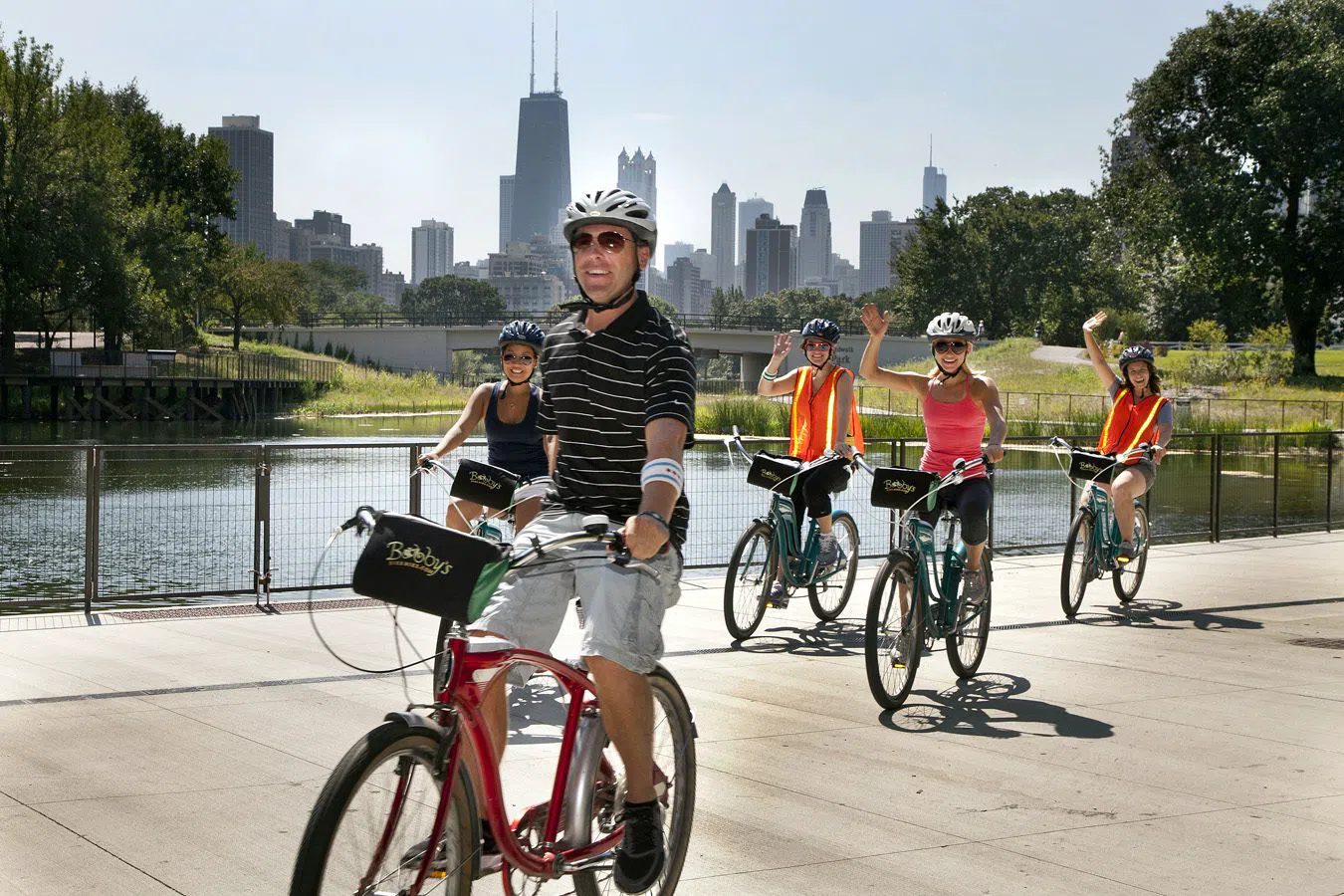
The most useful thing you can do on a first morning is see the whole shape of the place at eight miles an hour. Bobby's Bike Hike (Streeterville, a few minutes' walk from Navy Pier) runs a three-hour Lakefront Neighborhoods tour at roughly $45–55, plus a shorter seven-mile lakefront route that stays on low-traffic path rather than sharing lanes with cars. Guides work in German, Dutch, French, Spanish, Italian and Portuguese, and the operation is flexible on numbers: private tours run from one rider up to three hundred, with family seats and tag-along attachments for children. That makes it one of the few bookings on this list where a large party is a phone call rather than a problem.
Self-hire is considerably cheaper and perfectly viable, but the Lakefront Trail has enough forks, harbour interruptions and beach detours that a first-timer tends to lose more time guessing than the guide costs. Whichever you choose, you end the morning with a working map: the lake is east, always; the grid behind you is legible; the museums sit south of the river mouth; the pier sticks out north of it.
Plan your Chicago trip
Live prices from our booking partners.
Free cancellation on many rooms. We may earn a commission when you book.
Two boats that do different jobs
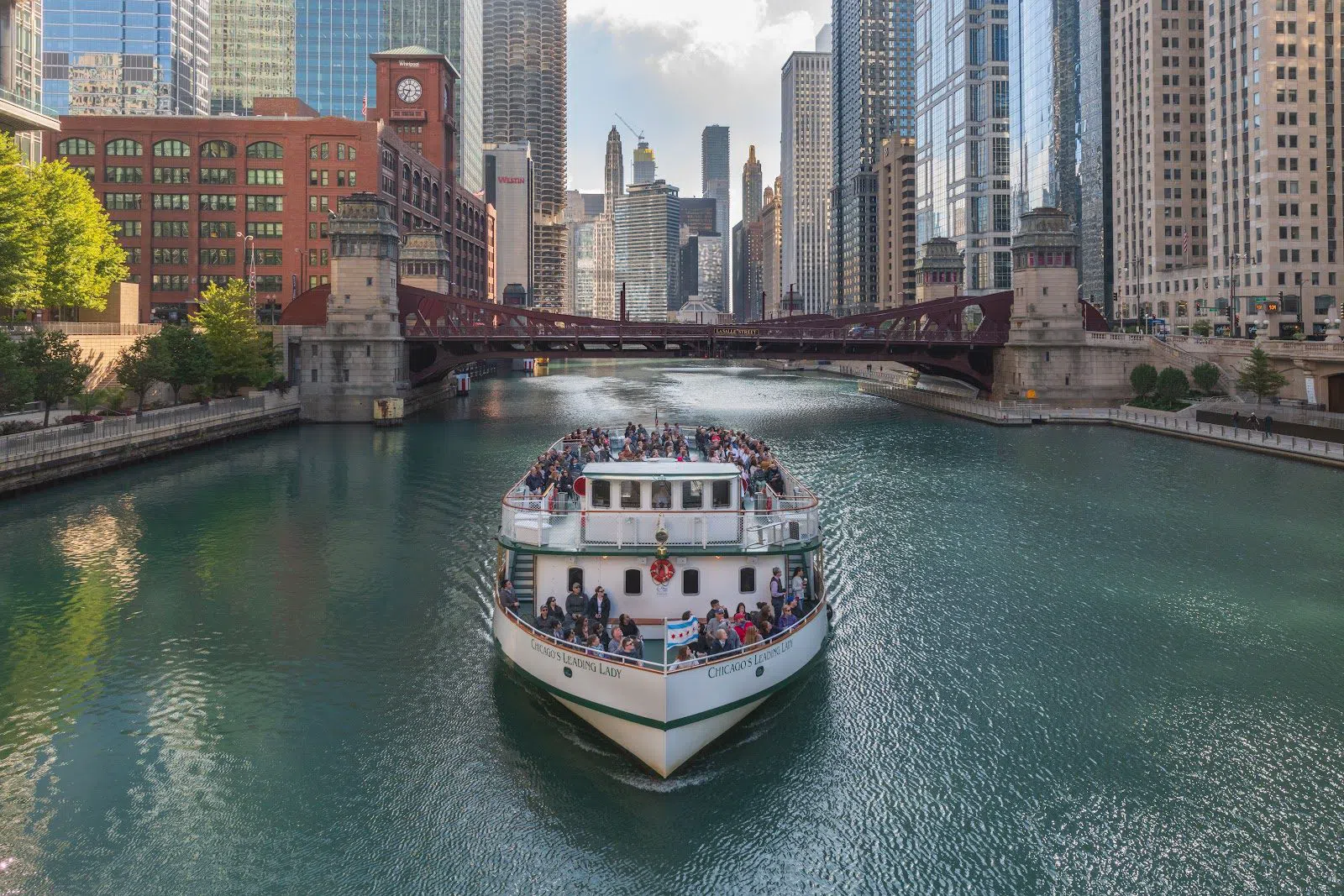
The Chicago Architecture Center River Cruise aboard First Lady (departing the Riverwalk at the Michigan Avenue bridge, on the Loop side) is the docent-led original rather than one of the recorded-commentary imitations moored nearby, and it is the only boat trip here that explains why the city looks the way it does: steel frames, setback rules, the reversal of the river. Expect around $54–64 for ninety minutes. The 2026 season runs 15 March to 22 November, and weekend departures sell out well ahead, so book before you fly rather than on the morning. Groups of twenty or more get a discounted rate on selected daytime Sunday-to-Thursday sailings, arranged at least a week in advance on (312) 322-1130. There is no equivalent walk-up deal on a Saturday.
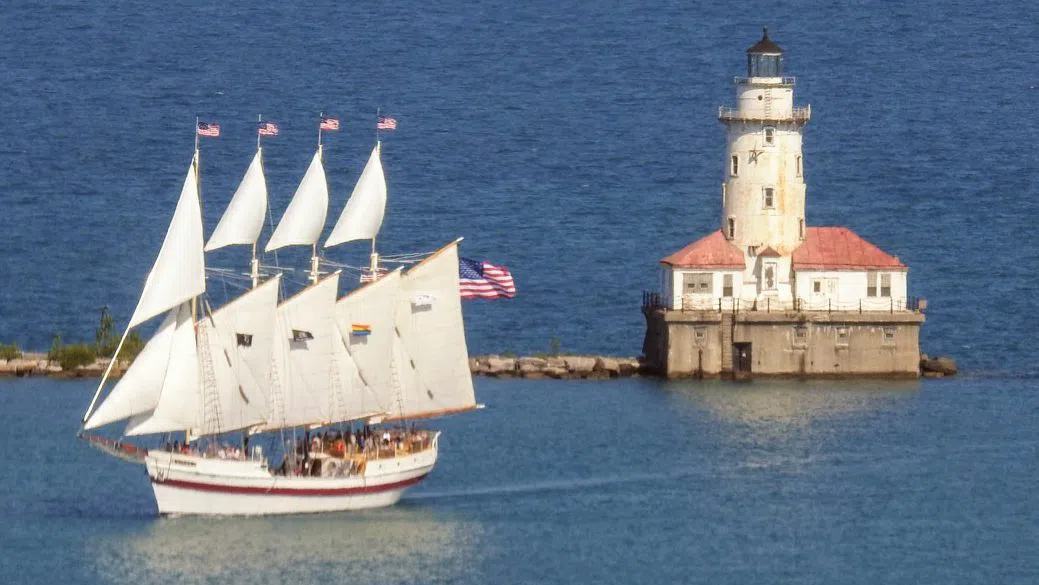
The Tall Ship Windy (berthed at Navy Pier, Streeterville) does a different job: actual sail rather than a motor cruise, in its thirtieth season, and the better choice if you want the lake rather than a lecture. It is tightly seasonal, with daily sailings only from 15 May to 27 September 2026, at 1pm, 3pm, 5pm and 7pm, at roughly $50–75 a head depending on the sailing. Whole-vessel charters are available, which suits a celebration party better than trying to keep fifteen people together on a scheduled departure.
Navy Pier, and the bar that redeems it
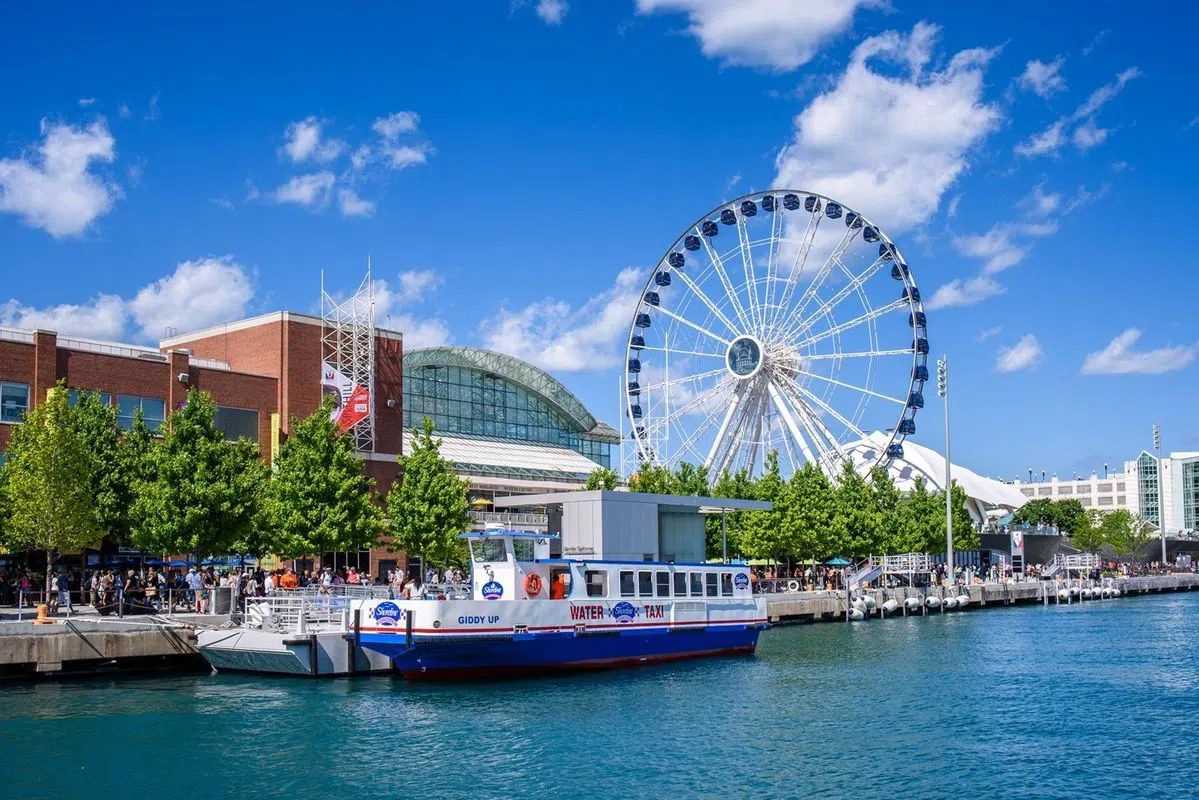
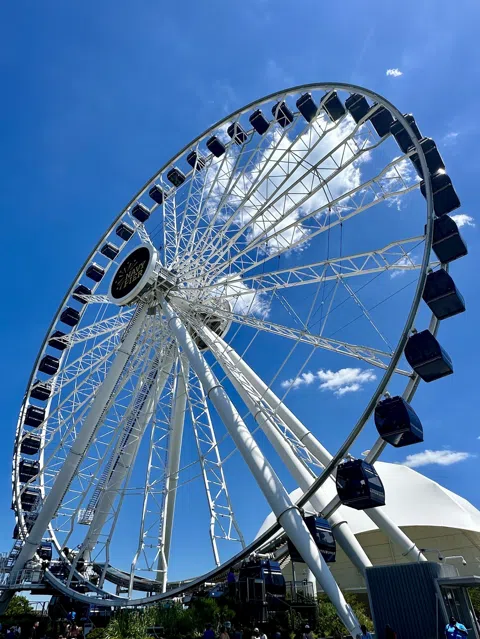
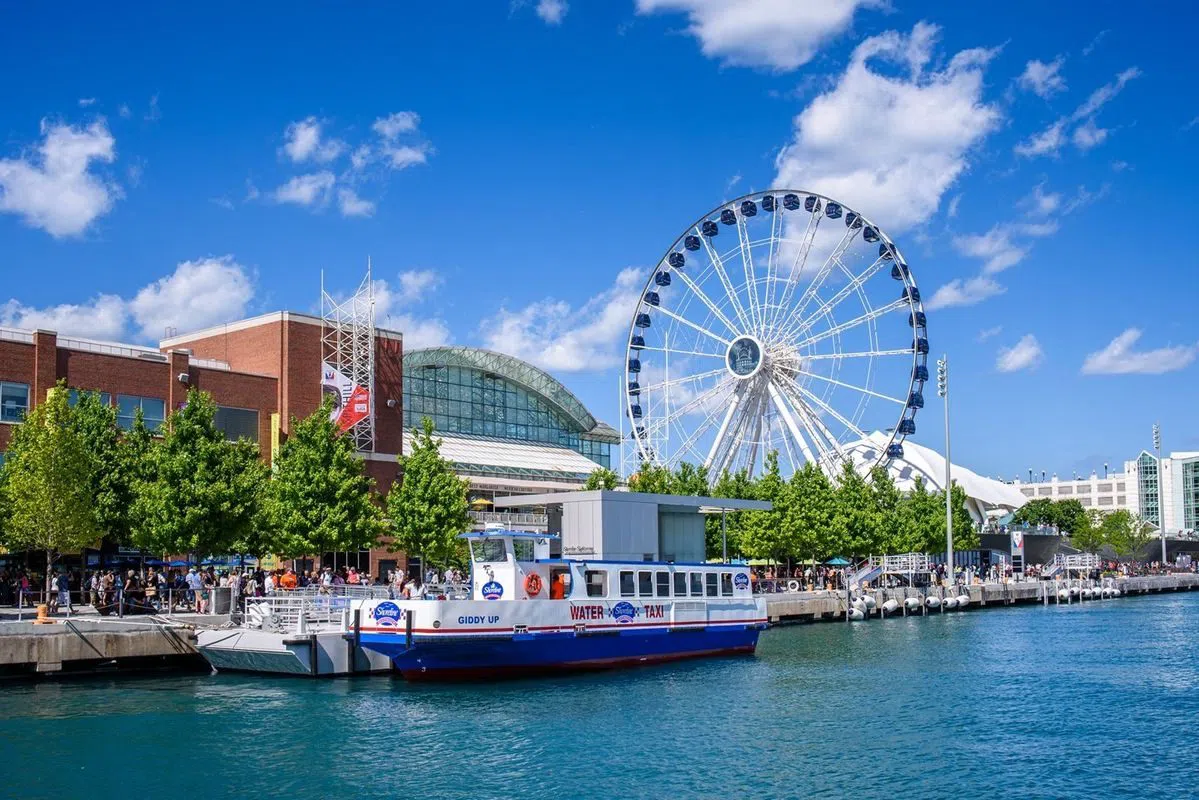
Navy Pier (Streeterville) is free to enter with no door policy, so a group of any size can simply walk on; the individual attractions ticket separately, and Navy Pier Sales handles group and charter bookings if you need blocks of anything. It is unashamedly a family entertainment complex, and on a summer Saturday, when it runs to midnight, it is dense enough to be a chore. Go on a weekday, or before noon, and it works. The Centennial Wheel at about $19–20 for an adult is the part worth doing regardless of your feelings about fairgrounds: it is the cleanest available view of the skyline with the lake behind it, and it takes twenty minutes.
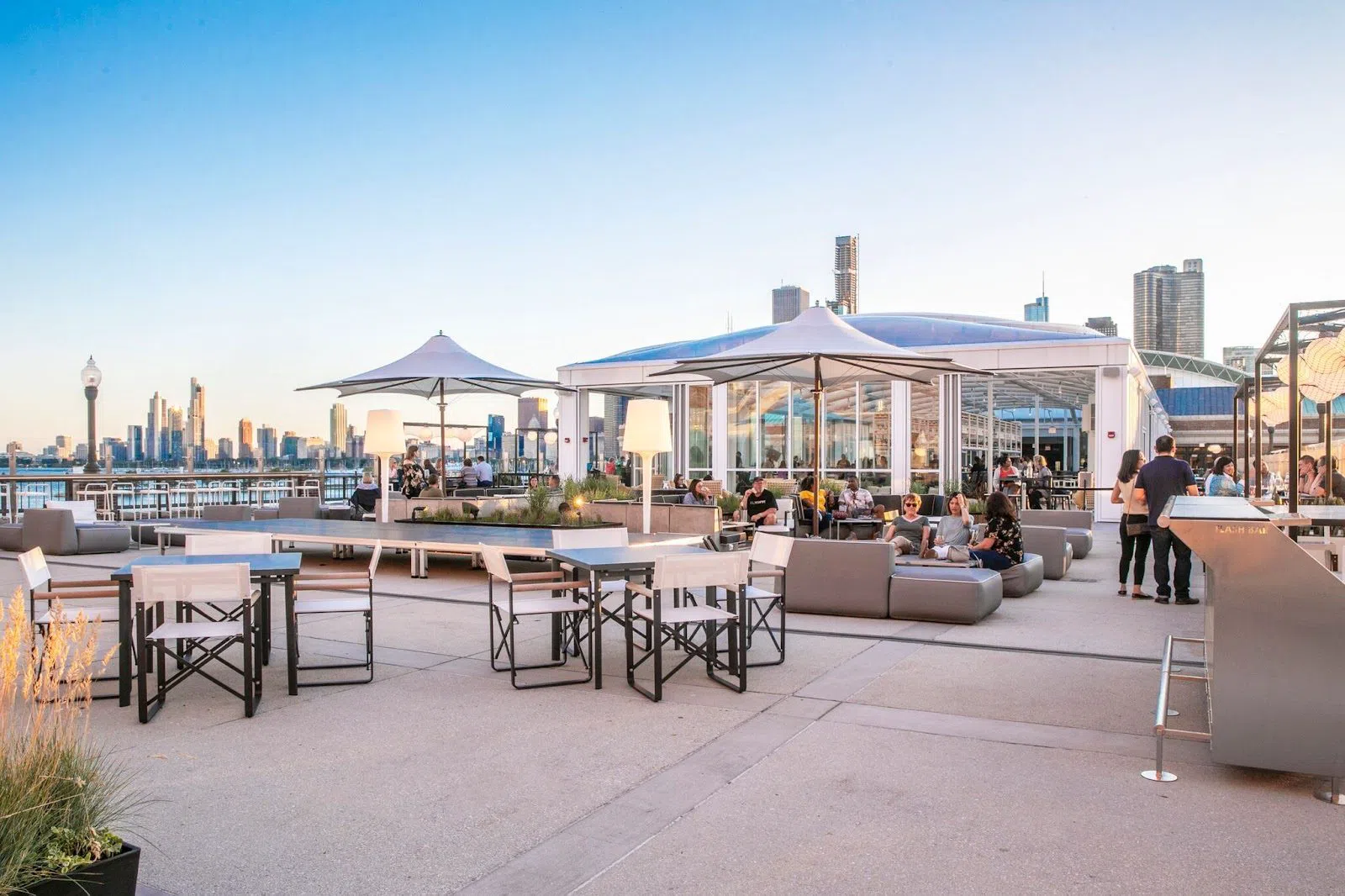
Offshore Rooftop (on the pier itself) is where the same view stops being incidental. It is Guinness-recognised as the world's largest rooftop bar, with multiple gathering spaces and a dedicated private-hire operation, and in this climate the part that matters is that it is enclosed and heated, so it works in April and October when open-air terraces elsewhere are shuttered. Cocktails run about $18–22 and mains $25–40, which is mid-to-upper rather than eye-watering for the position. Couples do fine at the bar; parties of eight or more should use the events team rather than hoping.
Millennium Park to the fountain, entirely on foot
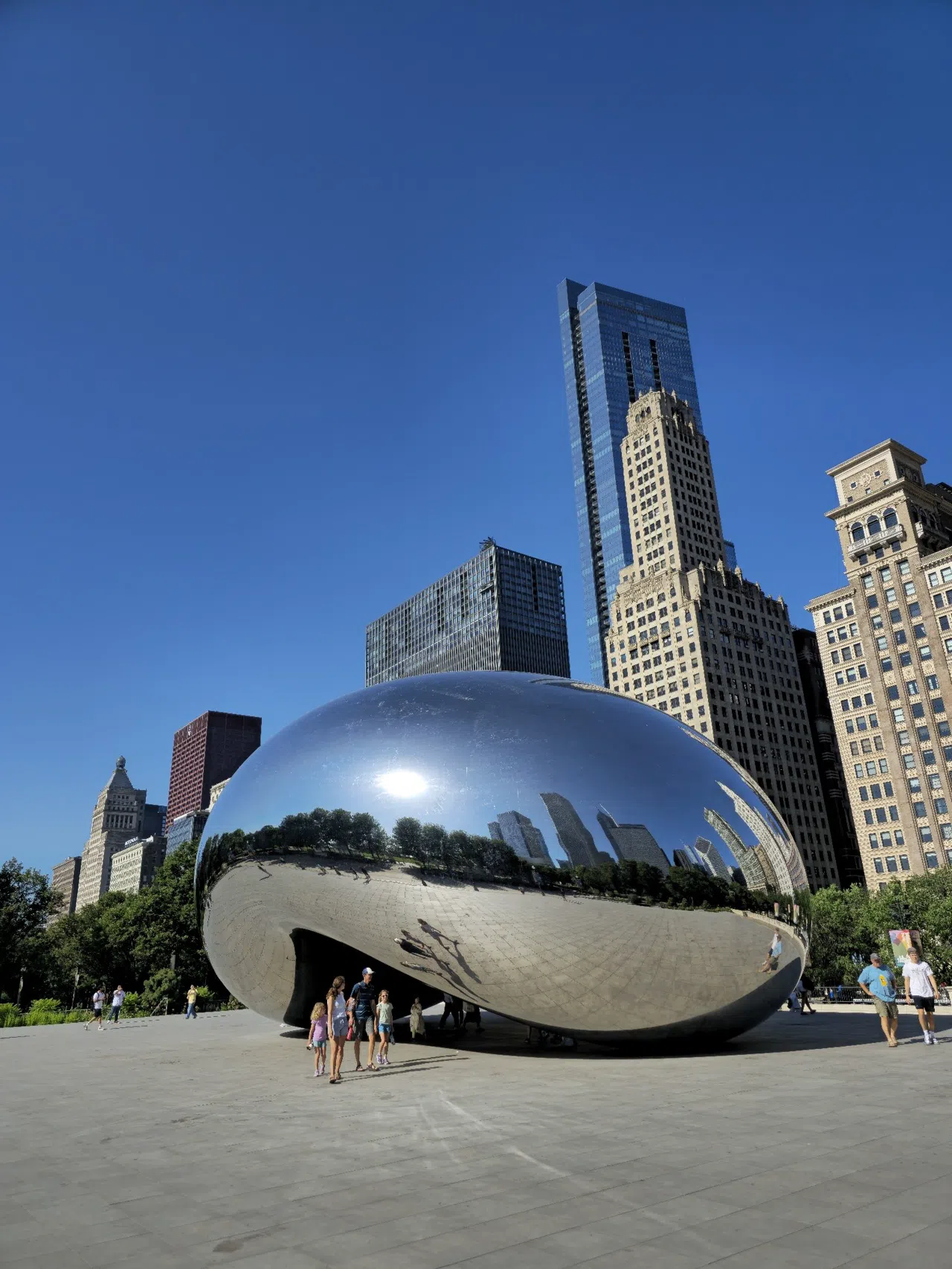
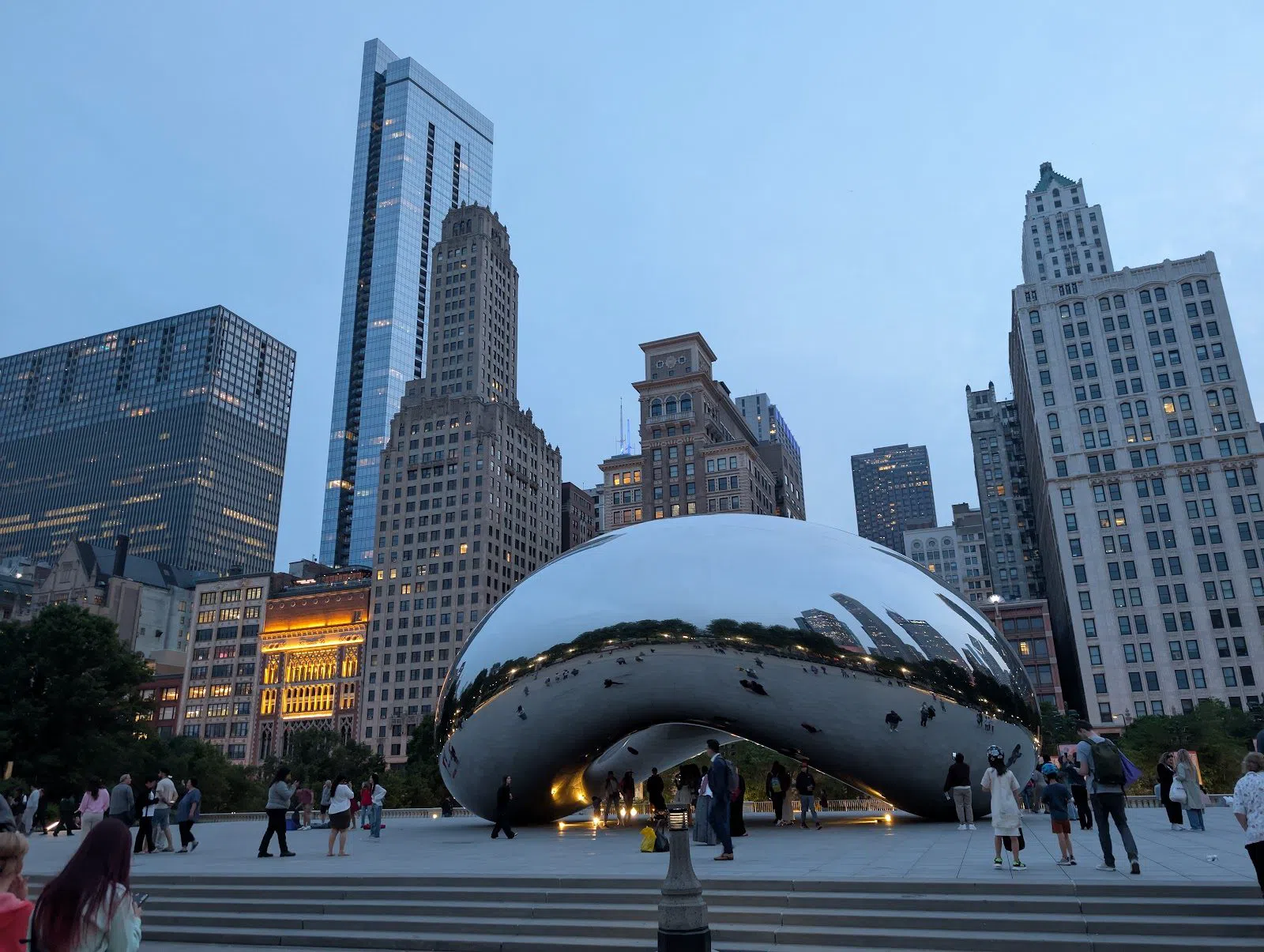
This is the half-day that convinces people the city is walkable. Millennium Park (the Loop) is free and unticketed, with no group limit, and Cloud Gate, the polished bean of every photograph, reopened in June 2024 after a ten-month plaza rebuild and is fully accessible again. The free summer programme at the Pritzker Pavilion is open seating and comfortably the best-value evening on this entire list: classical, jazz and film nights on a lawn, with bring-your-own picnics tolerated and often expected.
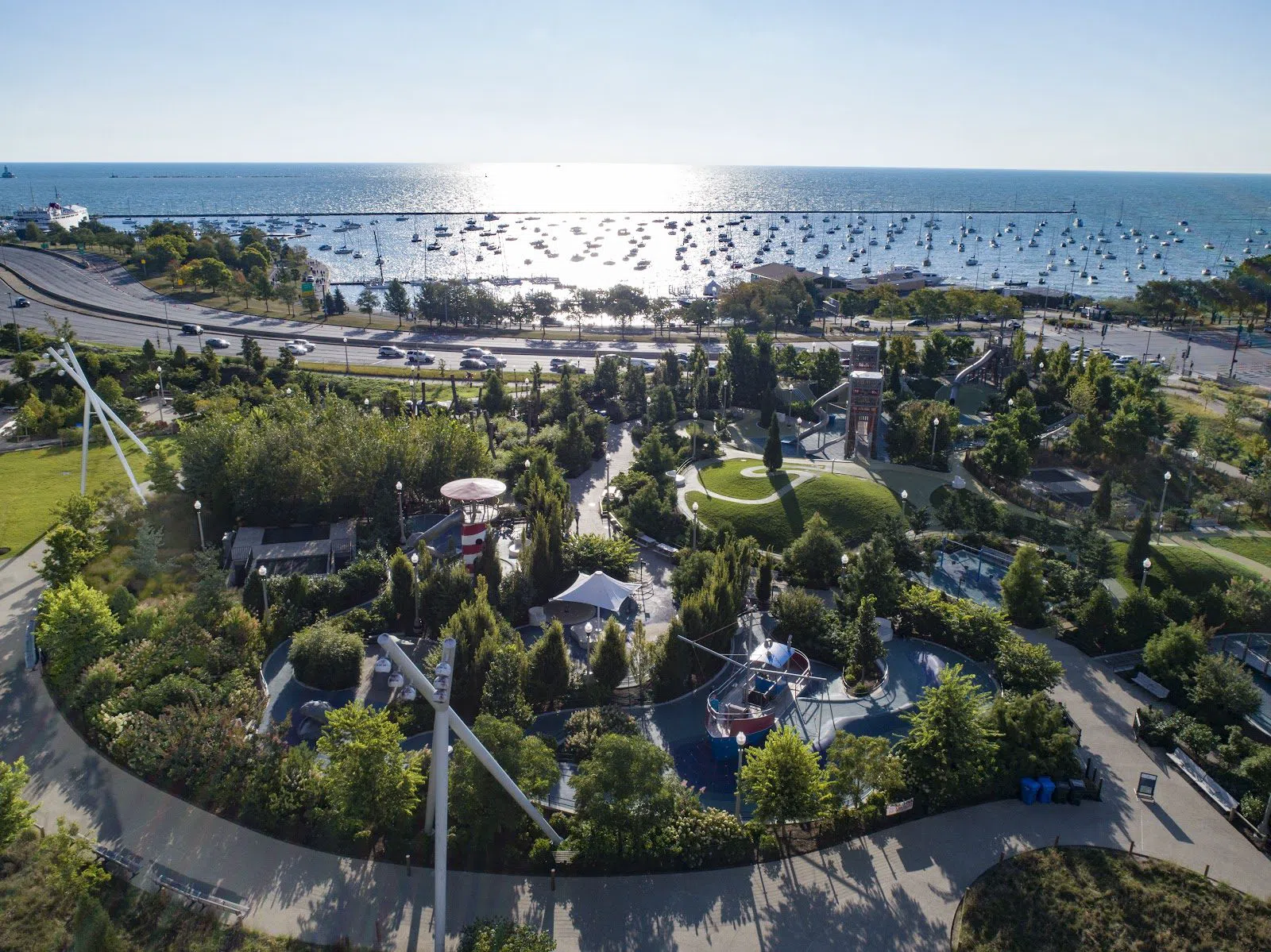
Cross the curving BP Bridge and you are in Maggie Daley Park (the Loop, immediately east), which is less a park than a set of activities laid over a car park roof. The skating ribbon absorbs large numbers happily at roughly $16–19 including rental; from November 2026 it returns to ice, and through summer it runs as a roller and scooter loop. The climbing wall has staffed instruction sessions at around $15–20 and slots should be reserved. Turning up with six people and expecting to climb is how that goes wrong.
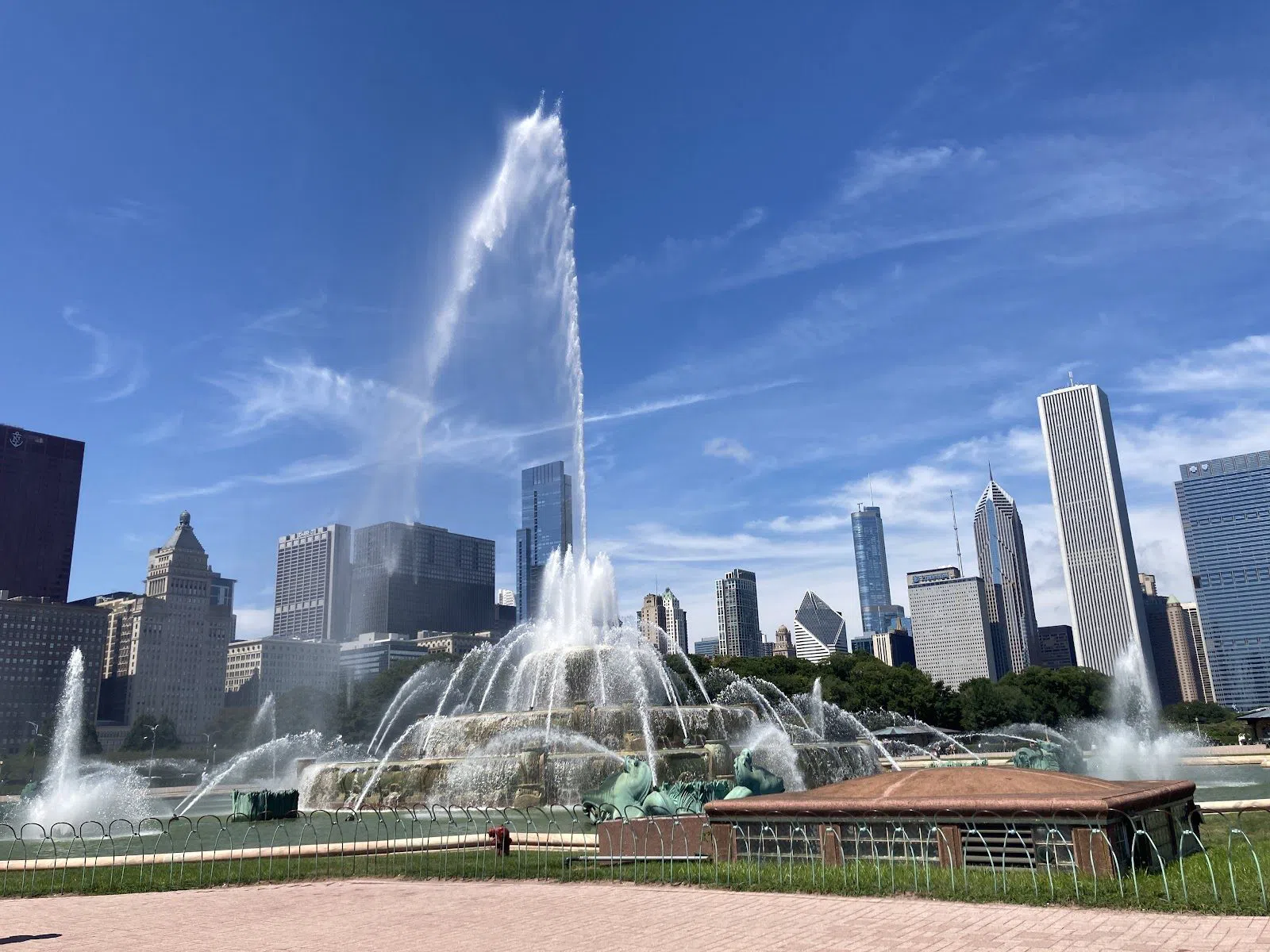
Walk south through Grant Park and you reach Buckingham Fountain (Grant Park), free and open-air, with no cap on group size and new seating installed around the basin from 30 May 2026. Time it properly: it runs early May to mid-October, 8am to 11pm, with a twenty-minute display at the top of every hour from 9am and a light-and-music show after dusk. Outside that window it is a handsome dry stone bowl, which catches out a remarkable number of visitors each spring.
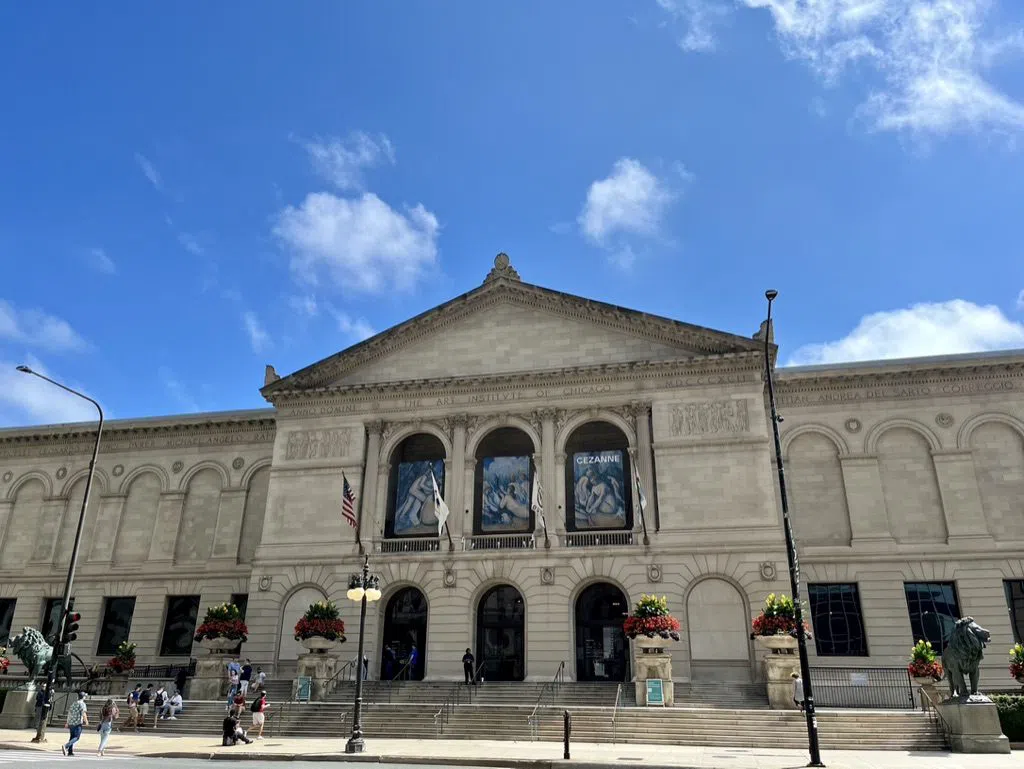
On the same stretch, the Art Institute of Chicago (Grant Park edge of the Loop) slots naturally between the park and the museum campus walk. Adult non-resident admission is about $32. Two scheduling details matter: the first hour daily, 10–11am, is members-only, and Thursday runs late to 8pm, which is the easiest way to see it without crowds. Group visits and guided tours are bookable, though the Modern Wing's bridge and gallery flow suit a split party better than one large block moving as a unit.
Museum Campus in a single afternoon
Three institutions sit on one lakeside promontory south of the fountain, and the walk between them is part of the appeal. The Field Museum (Museum Campus, Near South Side) is the keystone at roughly $27–30 for basic admission, more for all-access tickets. It opens daily 9am to 5pm with last entry at 4pm, so it does not forgive a late start. Go in the morning or the early afternoon, and don't plan around anything else that day.
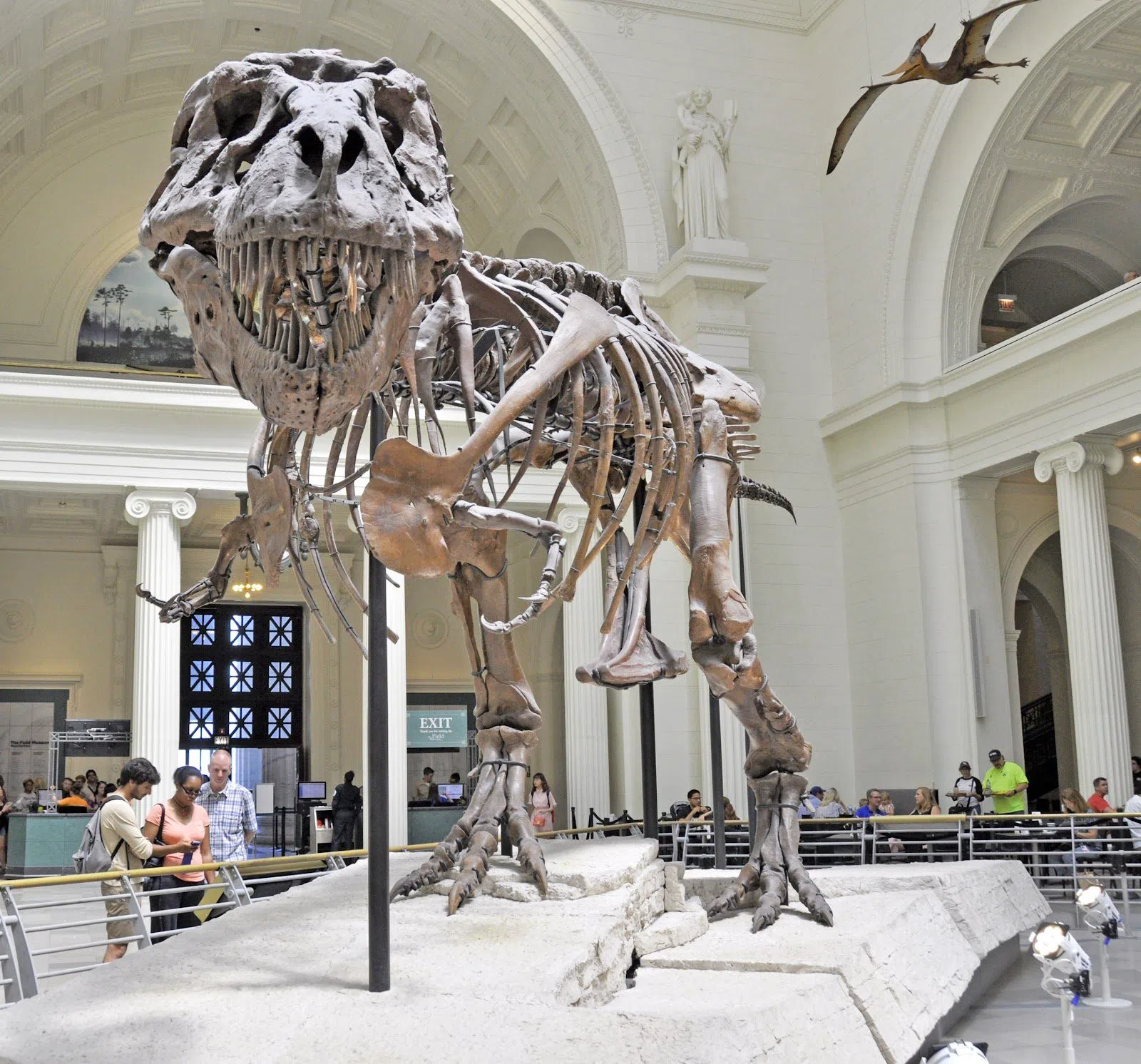
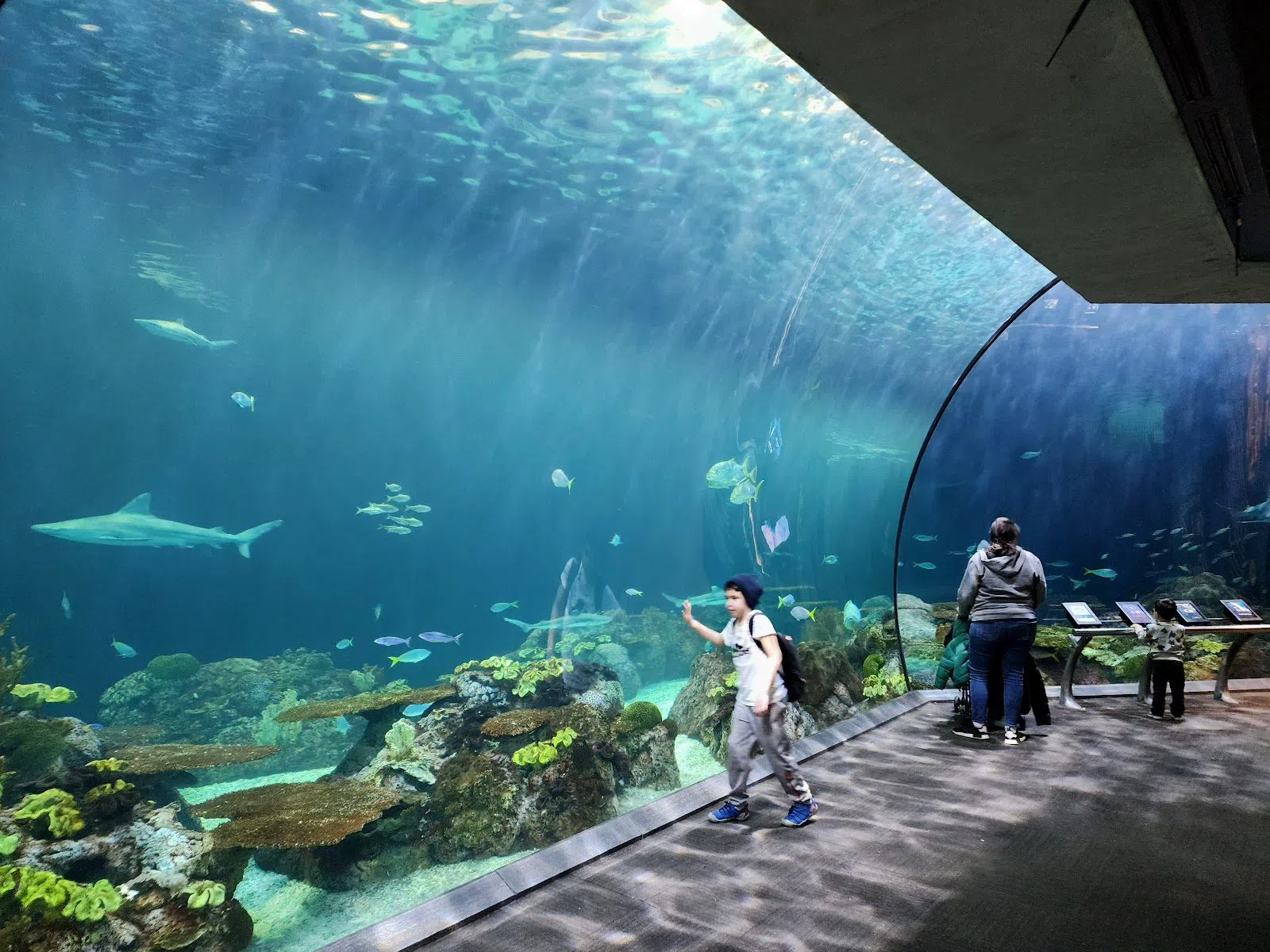
Shedd Aquarium (Museum Campus) is the busiest of the three at about $40–50 and operates timed entry, so large parties must reserve slots in advance rather than queue. It has stayed open throughout a $500m phased rebuild: the Immersion Theater landed in spring 2026 and a forty-foot glass reef tunnel followed in summer 2026, while the River Wonders and Living Lakes galleries are in their final works phase through winter 2026. Know before you pay that you are seeing a very good aquarium mid-transformation rather than a finished one.
Adler Planetarium (Museum Campus, on the Northerly Island side) is $25–35 with sky shows, and is worth the walk for the vantage point alone: the lawn outside is where the postcard skyline photograph is taken, framed by water on three sides. It also holds the one late slot on the campus, opening Wednesday evenings 4–10pm, which is the single best move for anyone whose Saturday daylight is already spoken for. Group rates and private buyouts exist; both need booking ahead.
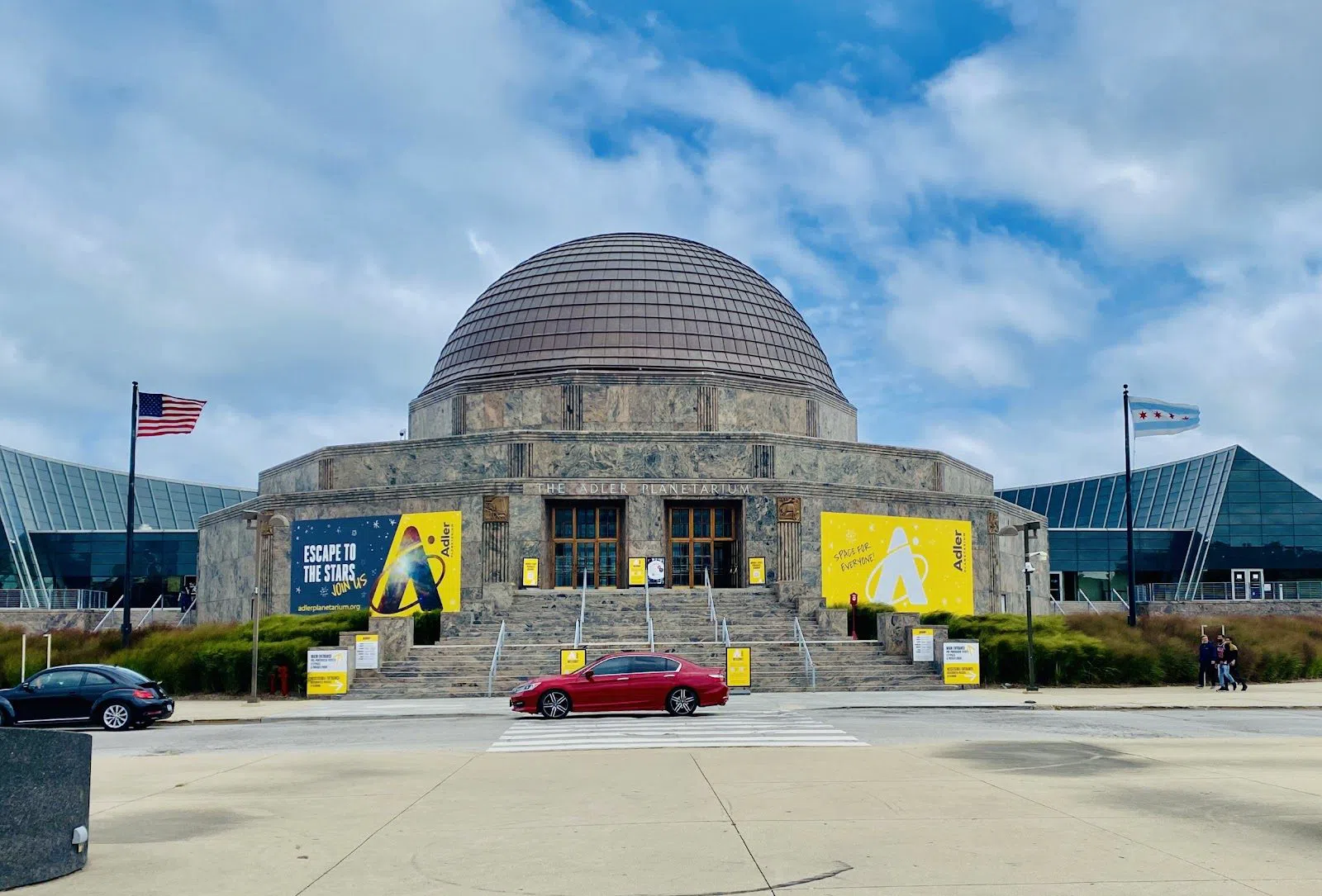
Realistically, two of the three is an afternoon. Three is a forced march.
The southern half-day
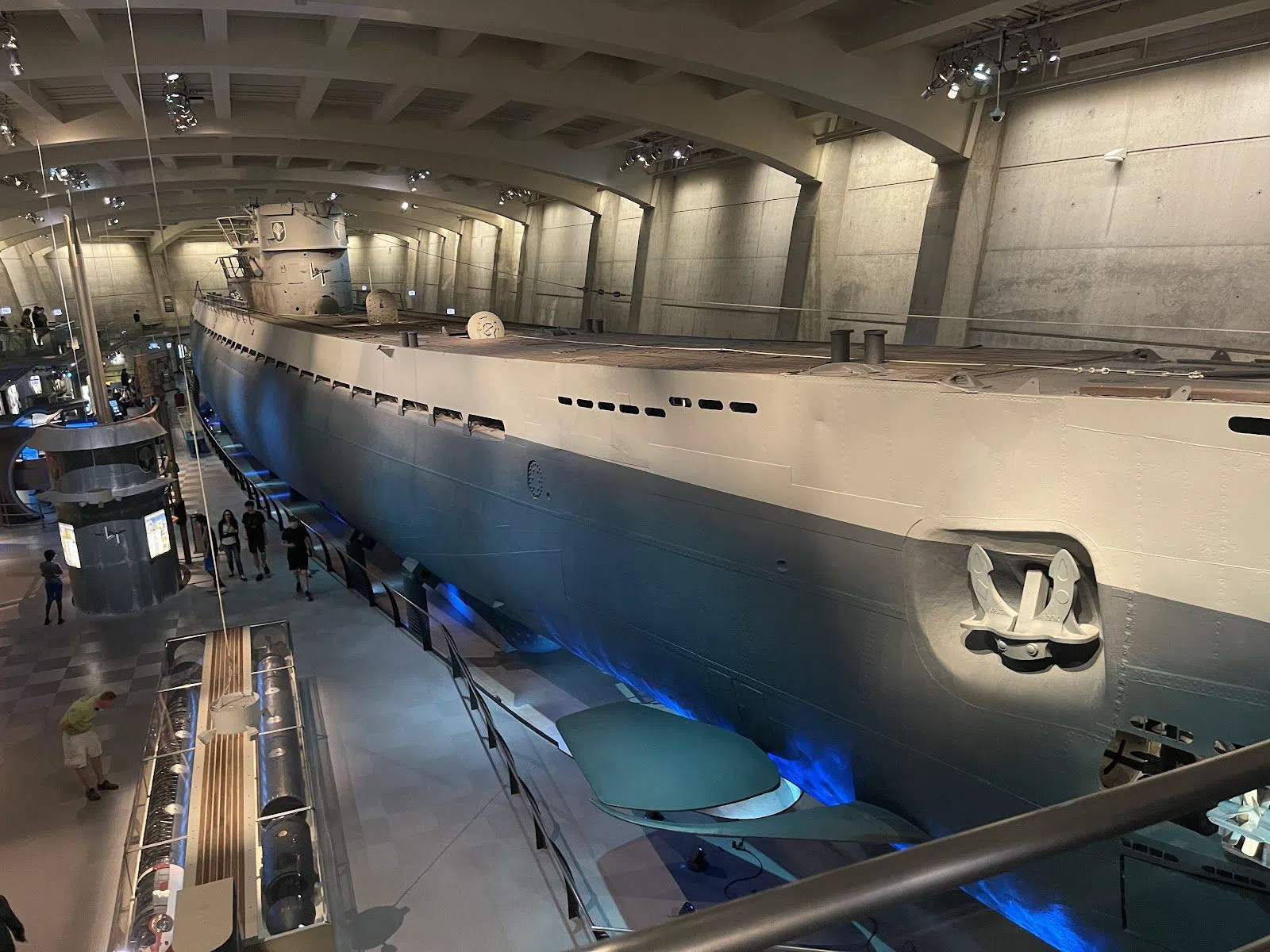
You do not drop into the Kenneth C. Griffin Museum of Science and Industry (Hyde Park, far south end of the lakefront). It is a half-day in its own right, sitting several miles beyond the museum campus in a handsome 1893 exposition building. Admission runs about $25–30, with the U-505 submarine onboard tour costing extra and worth it. Note the name: it was renamed from the Museum of Science and Industry in 2024, so older guidebooks, signage and taxi drivers still disagree with your ticket. Its enormous floorplate absorbs large parties more easily than anywhere else here, which makes it the sane choice for a group of teenagers on a wet day.
Which observation deck earns the elevator
Skydeck Chicago at Willis Tower (the Loop) is the higher of the two, has the glass-floor ledge, and sells timed thirty-minute entry windows from around $32, with expedited entry from about $55 and dedicated group tiers. Buy a timed slot. The standard queue is the weakest part of the whole experience, and the upgrade is essentially a purchase of your own afternoon.
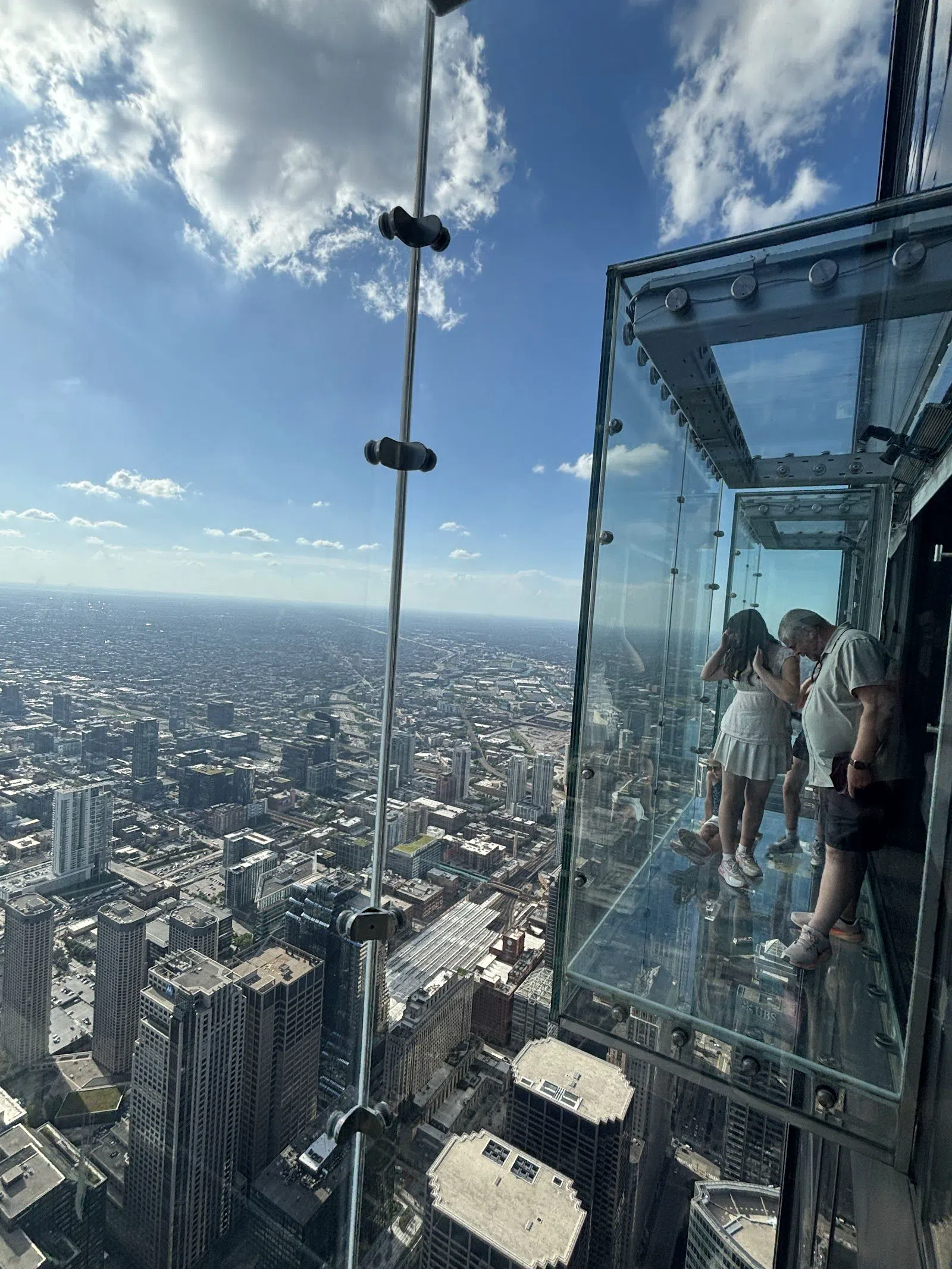
360 CHICAGO (Streeterville, at the north end of the Magnificent Mile) has the better lakefront geometry, looking straight up the shoreline rather than inland across rooftops, at roughly $30 on weekdays and $35 at weekends, with the TILT platform another $9–10. One hard constraint applies through this period: from 8 September 2026 into the second quarter of 2027 only one elevator is running, which limits group sizes and timeslots. Book a timed ticket in advance or expect not to get up at all.
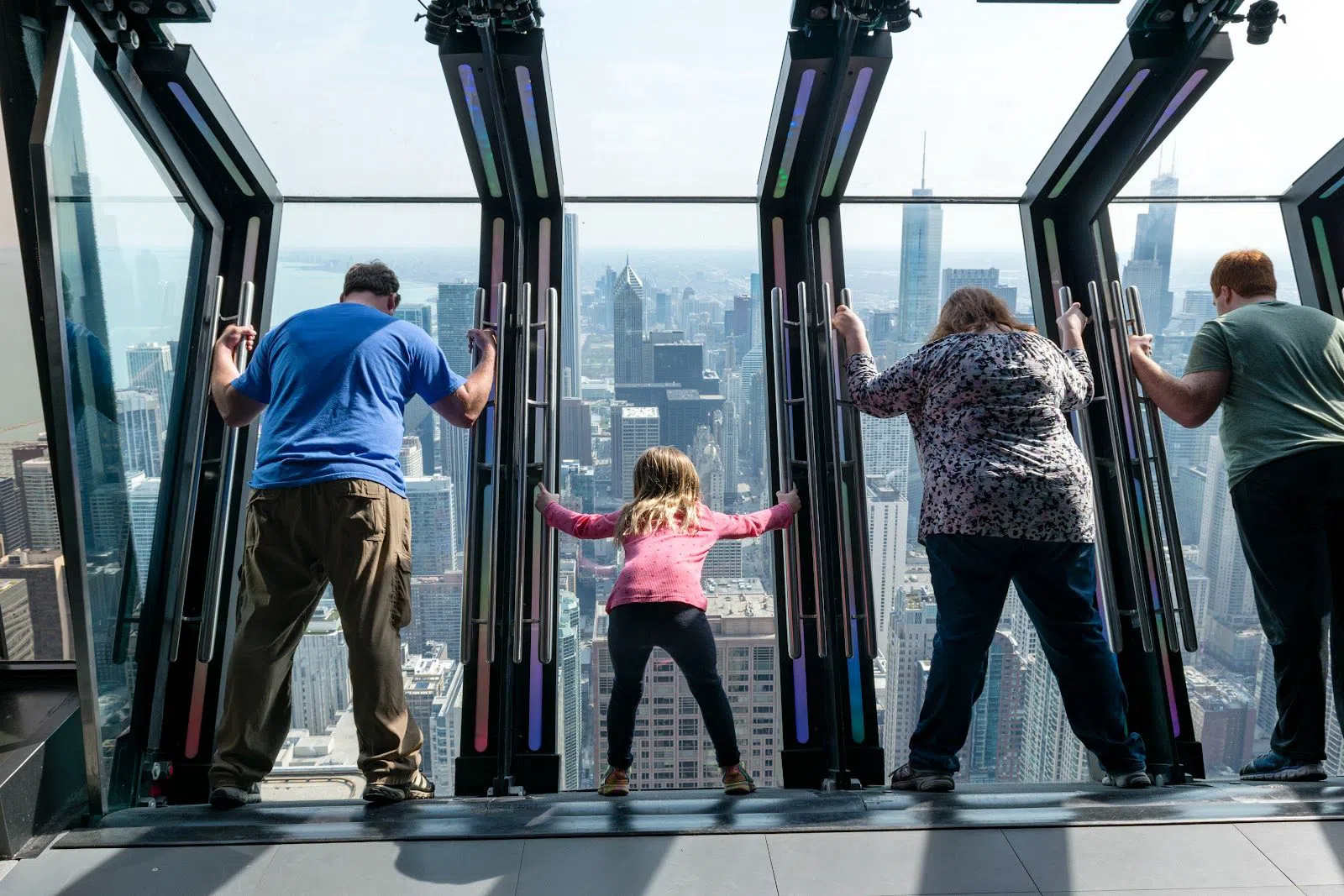
One deck per trip is plenty. If you want the lake, choose 360; if you want the vertigo, choose Skydeck.
An afternoon that is just the beach
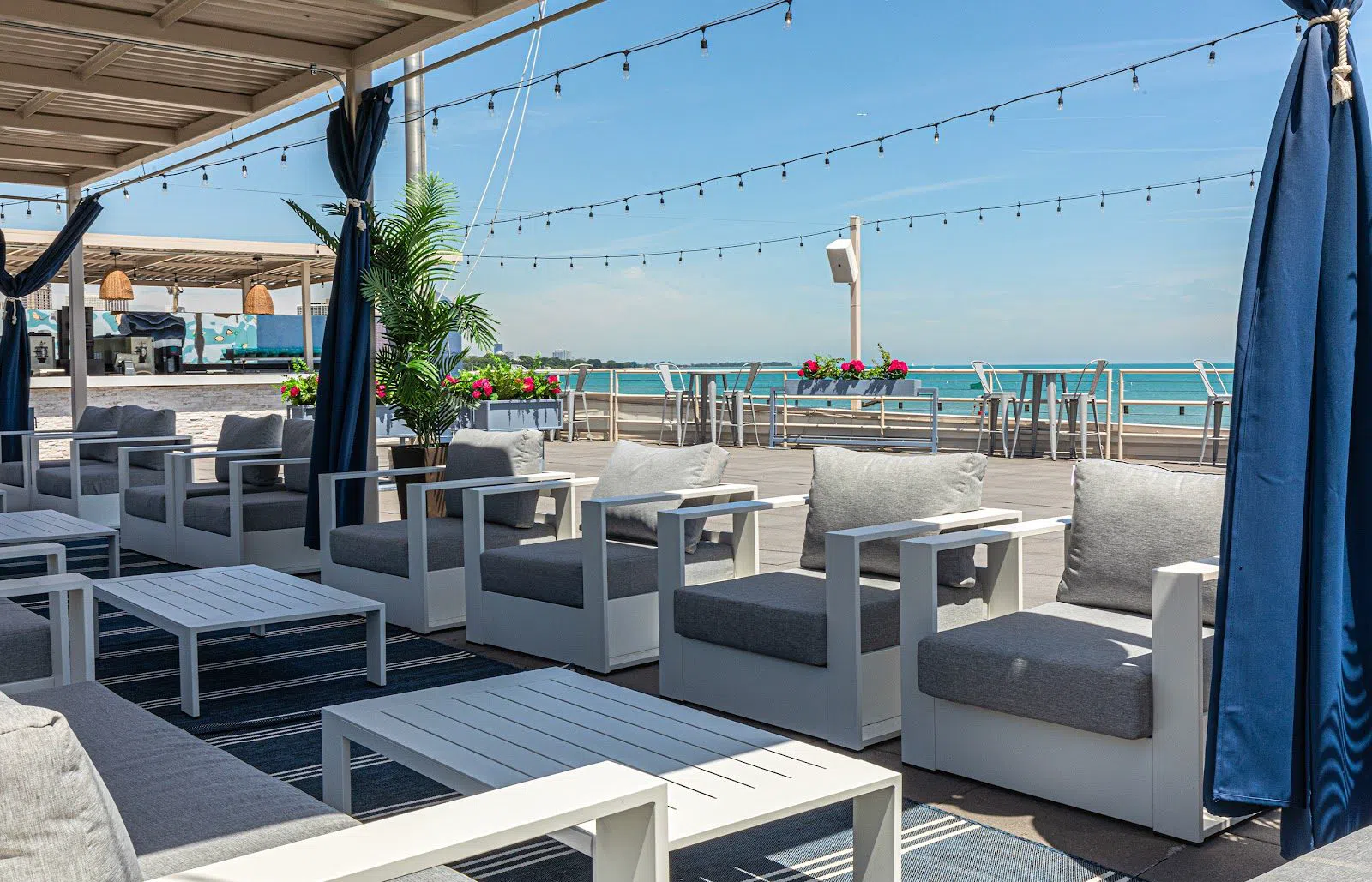
Castaways Beach Club (North Avenue Beach, Lincoln Park) reopened after a $3m renovation with expanded dining decks and rentable cabanas across a two-level, 22,000 sq ft layout. The 2026 summer service began on 21 May and runs daily 11am to 10pm, weather permitting. It is properly seasonal, and not a winter option under any circumstances. Drinks land around $12–16 and food $18–30. It takes groups well and sells all-inclusive event packages, including viewing parties for the summer air and water display, when the beach becomes the best seat in the city and also the least escapable.
Fitting it into two days
Saturday morning: the bike tour, north along the trail and back. Midday: the river cruise, which is the natural handover from bike to boat. Afternoon: Navy Pier and the Wheel before the crowd thickens, then Offshore for a drink at the point where the light turns. Evening: Millennium Park, and the Pritzker lawn if anything is programmed.
Sunday morning: Buckingham Fountain on the hour, then the Art Institute or straight down to the Field Museum. Afternoon: Shedd or Adler, then the observation deck at dusk. Swap the museum campus for Hyde Park and the science museum if you are travelling with children who have had enough of paintings, and swap the deck for the beach club if it is July and thirty degrees.
Practical notes
The lakefront is walkable end to end in theory and exhausting in practice. Use the buses that run parallel to it, tap a contactless card or phone directly at the reader, and don't bother with paper tickets. Rideshare from the museum campus after closing is the one reliably slow moment of the weekend, because everyone leaves at once. Bikes remain the fastest way to cover the trail, and the trail is split into separate pedestrian and cycling paths for most of its length, so stay on the correct one.
Cards work everywhere, including at the food trucks by the fountain, so carrying much cash is unnecessary. Tipping is expected at bars and restaurants, generally 18–20%, and quoted menu prices exclude both tip and sales tax, so a $22 cocktail is not a $22 cocktail.
The lakefront season is real. Buckingham Fountain runs May to mid-October, the Windy sails mid-May to late September, and Castaways is summer only. A February version of this weekend is museums, decks and the enclosed rooftop, and it is still a good weekend, just a different one. Book the river cruise, any 360 CHICAGO slot and any timed Shedd entry before you arrive.
Two full days with one cruise, one deck, two museums and a bike tour lands somewhere around $200–260 per adult in admissions and activities, before food. You can halve that by leaning on what is free: the parks, the fountain, the pier itself, the Pritzker programme. That is the argument for building the weekend on the lakefront in the first place. For rooms within walking distance of the water, start with a Chicago hotel search; for the rest of the city, the parts that have nothing to do with the lake, see our Chicago guide.
Before you go
How many days do I need to see Chicago's lakefront properly?
Two full days covers it comfortably if you stay on the shoreline: one day from Navy Pier and the river cruise down to Millennium Park, and one day on Museum Campus with an observation deck at dusk. Adding the Griffin Museum of Science and Industry in Hyde Park means committing a half-day to the far south end, so it usually replaces something rather than slotting in.
Which architecture boat tour is the one to book?
The Chicago Architecture Center River Cruise aboard First Lady is the docent-led original, roughly $54-64 for 90 minutes, and the only one that properly explains the buildings rather than playing recorded commentary. The 2026 season runs 15 March to 22 November and weekend departures sell out, so book ahead; groups of 20 or more get a discount on selected daytime Sunday-to-Thursday sailings via (312) 322-1130.
Skydeck or 360 CHICAGO for the better view?
360 CHICAGO has the better lakefront geometry because it looks straight up the shoreline instead of inland, at about $30 weekday and $35 weekend plus $9-10 for TILT. Skydeck at Willis Tower is higher and has the glass-floor ledge, from about $32 with expedited entry from $55. One deck per trip is enough, and from 8 September 2026 into Q2 2027 only one elevator serves 360 CHICAGO, so a timed ticket there is essential.
Is Navy Pier worth visiting, or is it a tourist trap?
It is free to enter with no door policy, so you can judge it yourself. The Centennial Wheel at about $19-20 is genuinely good for the skyline-and-lake view, and Offshore Rooftop turns the position into something better than a fairground. Go on a weekday or before noon; summer Saturdays run to midnight and get very dense.
What still works on the lakefront in winter?
The museums, both observation decks, Millennium Park and the enclosed, heated Offshore Rooftop all run year-round. Buckingham Fountain only flows from early May to mid-October, the Tall Ship Windy sails 15 May to 27 September 2026, and Castaways Beach Club is summer only, so a cold-weather version of this weekend is indoors-plus-parks, with the Maggie Daley skating ribbon back on ice from November 2026.