Chicago tells you almost nothing about the fire it survived: no visible scorch marks, no obvious seam between the old wooden city and the new stone one, not until you go looking for it on purpose. On the night of October 8, 1871, flames crossed from a barn on the Near West Side to Lincoln Park in under thirty hours and left roughly three and a half square miles of the city as rubble. What followed wasn't a slow convalescence. Within a decade Chicago had rebuilt itself in brick, iron, and eventually steel, one of the fastest and most consequential rebuilding programs any American city has attempted. Those buildings are still standing, still working, and still the clearest argument for why the fire matters to anyone visiting in 2026.
Where the fire started and what it erased
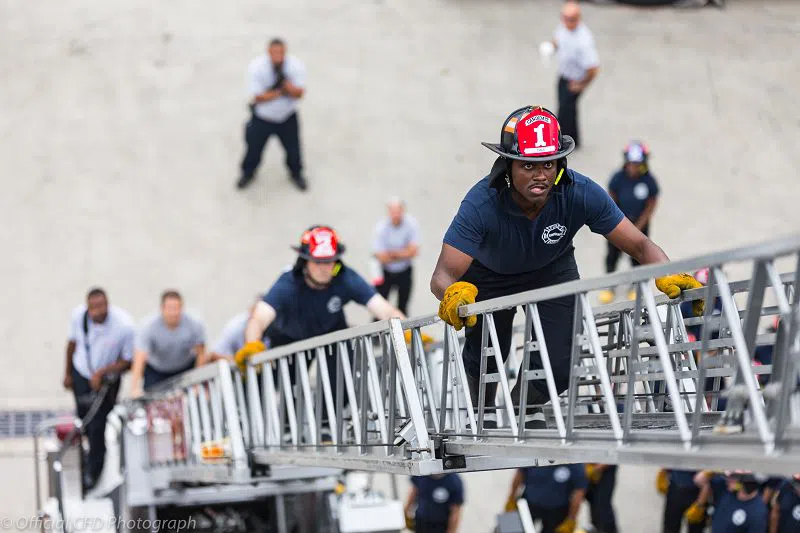
The fire's popular origin story (Mrs. O'Leary's cow kicking over a lantern) was invented by a reporter years later, and the city has since disowned it, but the physical starting point is real and still in use. The Robert J. Quinn Fire Academy (Near West Side, on DeKoven Street) trains Chicago firefighters today on the same ground where the fire is traditionally said to have begun. Outdoors and free, the site is anchored by the bronze sculpture Pillar of Fire; staff will let visitors into the lobby on request to see the origin-point plaque, which is a small, unglamorous thing to stand in front of given what came after it. There's no booking system and no group cap: it suits a solo visitor with twenty minutes as well as a coach of thirty.
For the fuller picture of what burned and how, go to the Chicago History Museum (Lincoln Park), where City on Fire is a permanent core exhibit rather than a seasonal add-on, worth noting because it means the museum has built genuine depth into the telling rather than a temporary display case. General admission runs roughly $19-22, with standard school and tour-group rates available and no cap on group size. Pair the two as a half-day opener: Fire Academy first, for the physical grounding, then the museum, for the context and the scale of the loss. Budget ninety minutes at the museum if you want more than the highlights.
The handful of buildings that watched it pass
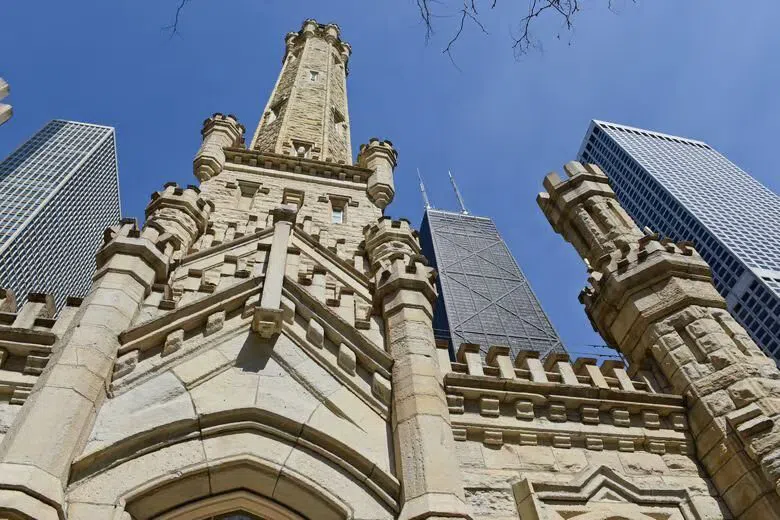
Almost nothing built before 1871 survived the fire, which is what makes the handful of holdouts worth a detour rather than a footnote. The Historic Water Tower (Michigan Avenue, Near North) is the most photographed of them, a limestone castle that somehow stood while the buildings around it burned. It's free to visit with no booking required, open to groups of any size on a self-guided basis. It now houses the City Gallery, a modest but genuine bonus rather than the main event.
Quieter and more affecting is St. Michael's Church (Old Town), a working parish that survived with its walls intact and was fully rebuilt within two years, not ten. That's the useful detail: the whole decade-long recovery story compressed into a single, much faster case study. It's always open, free, and self-guided groups are welcome. Walk the frame-cottage streets around it afterward; Old Town's low, narrow lots are themselves a fire-era artifact, laid out for the city's fastest and cheapest post-fire rebuilding before the district gentrified into what it is now.
The building codes that rewrote the skyline
The fire's most consequential legacy was regulatory, not sentimental: new fire codes forced a shift from wood to fireproof construction, and the resulting arms race between architects and engineers is the reason Chicago is credited with inventing the modern skyscraper. Three buildings in the Loop make that argument in person.
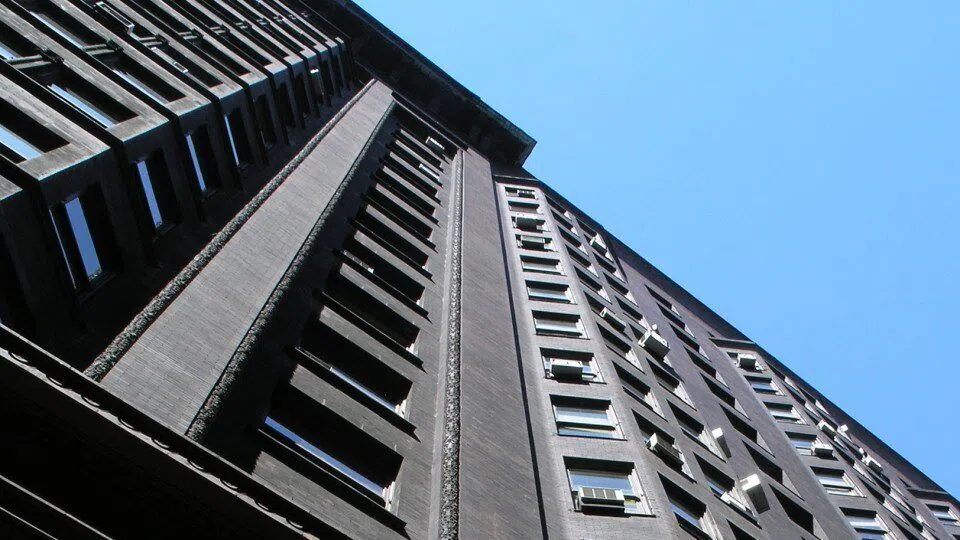
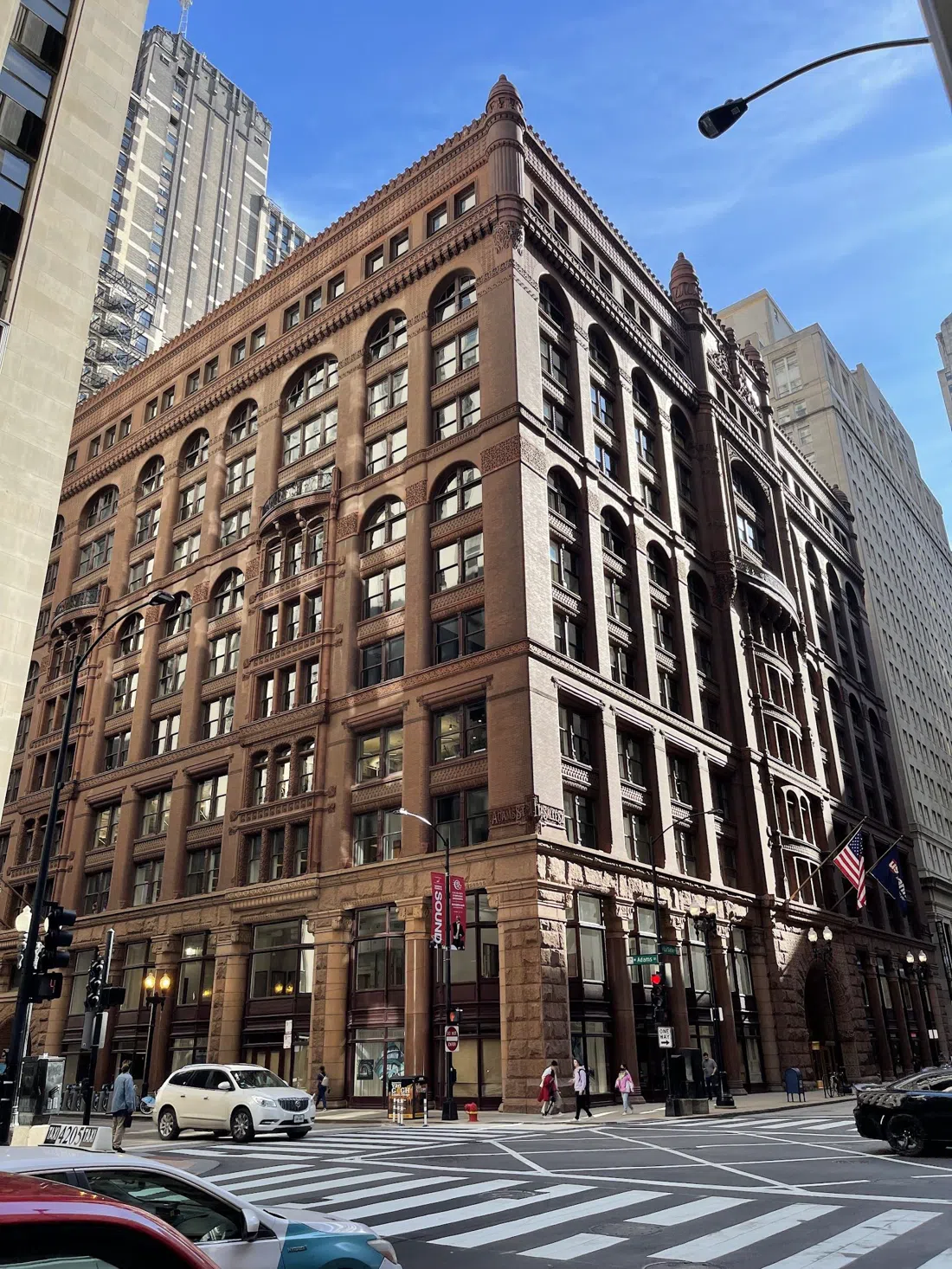
The Rookery Building (LaSalle Street, the Loop) has a free lobby open daily. Walk in, look up at the light court, and if you want more depth, book a docent tour through the Frank Lloyd Wright Trust for $15-20, sized for a standard group. The Monadnock Building (Dearborn Street, the Loop) is the more unusual lesson: its ground-floor retail arcade is open to the public on weekdays and self-guided groups are welcome, and the building itself was constructed in two halves a few years apart (the south half in traditional load-bearing brick, the north half in a new steel frame), so you can, if you know where to look, watch an entire engineering era change mid-construction inside one address. Neither building requires advance planning for the free portions, which makes them easy to slot into a walking morning around the financial district.
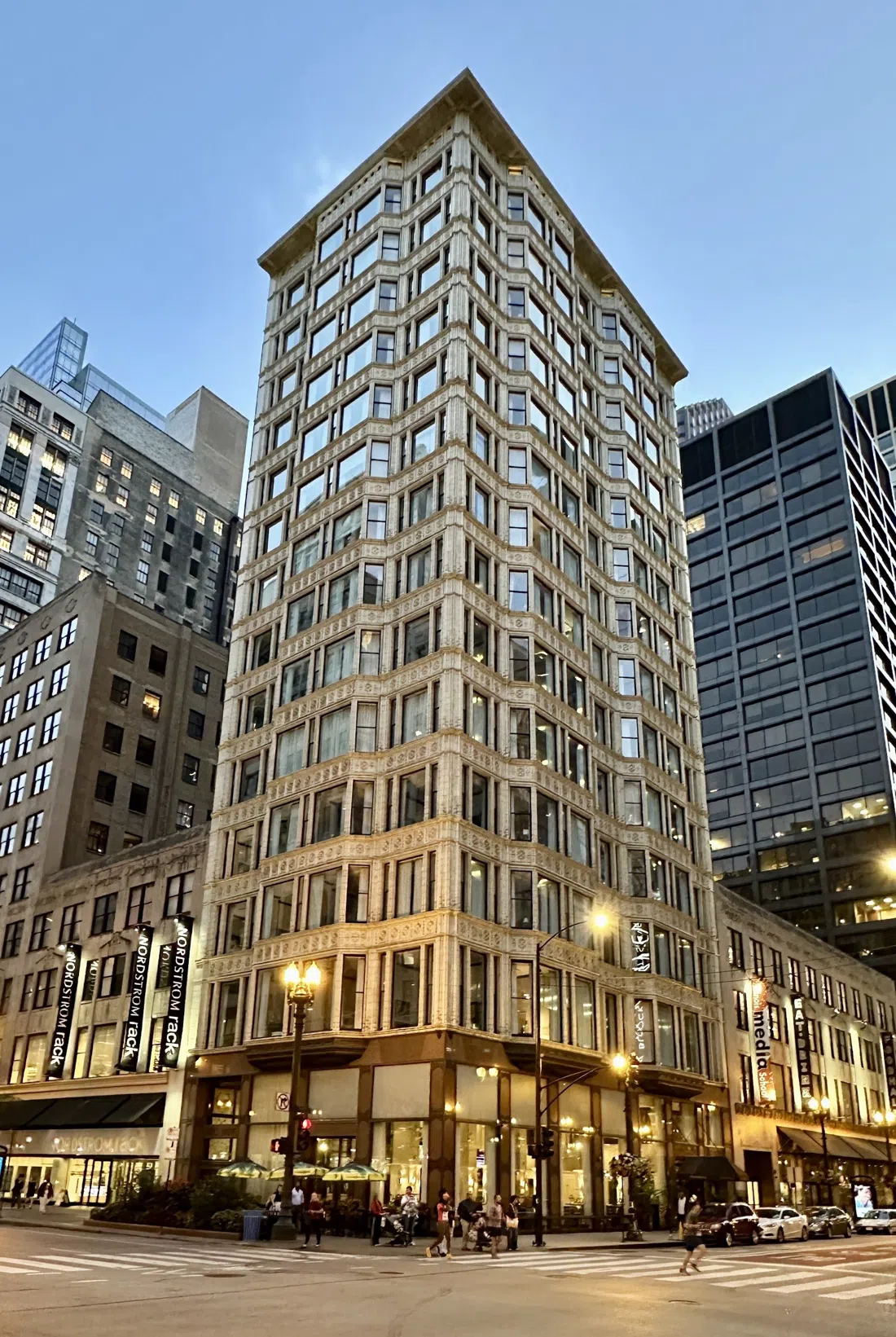
End that stretch at The Alise Chicago (State Street, the Loop), the hotel now occupying the old Reliance Building. No booking is needed to view the lobby or exterior, and the ground-floor Atwood Cafe will seat walk-ins for coffee. Completed in stages through the 1890s, it's where the post-fire building boom arrived at its logical endpoint: glass curtain walls two decades before the term existed, and the direct prototype for the glass towers that define Chicago's skyline now. Staying the night runs roughly $180-300; seeing the lobby costs nothing.
Civic grandeur, rebuilt fast
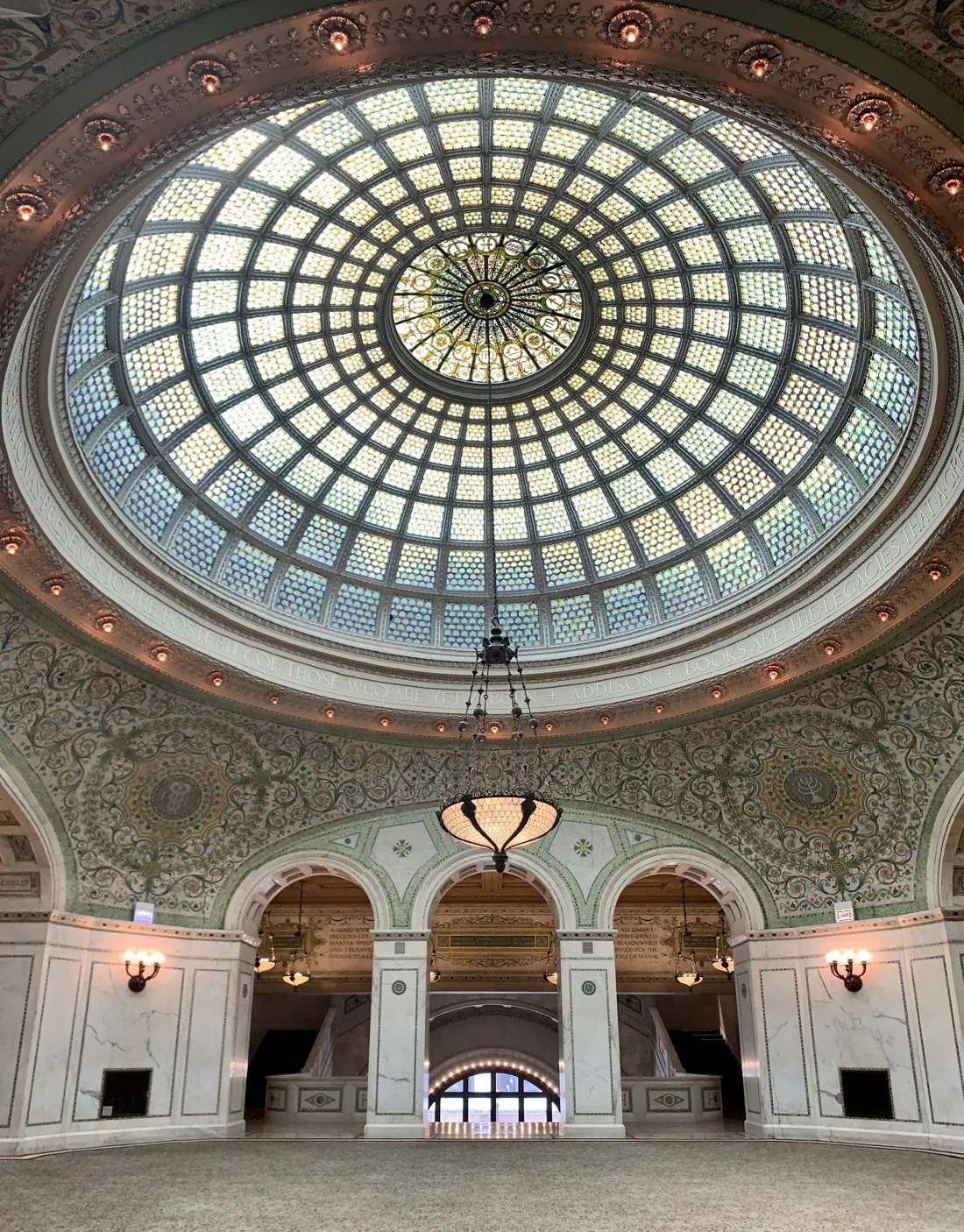
Two buildings make the case that Chicago's rebuild wasn't just commercial ambition. It was civic pride, reasserted deliberately and in public. The Chicago Cultural Center (Michigan Avenue, the Loop), completed in 1897 as the city's first free public library, houses the Tiffany Dome, one of the largest stained-glass domes in the world. Entry is free, and so are the docent tours that run Thursday and Friday at 1:15pm; group sizes on those tours are limited, so arrive early rather than assume a walk-in slot. If your visit doesn't line up with a Thursday or Friday, the building and dome are still worth the detour on a self-guided basis.
The Auditorium Theatre, now part of Roosevelt University (South Loop), opened in 1889 as the largest indoor theatre in the United States, with a stage floor that could be raised and lowered on hydraulics, an engineering flex meant to tell the country that the rebuilt city wasn't just catching up but outbuilding its old self. Backstage tours run $15-20 and need to be checked against the performance calendar, since the building is still a working theatre first and a heritage site second; a live show adds its own ticket price on top.

Prairie Avenue and the fortunes the fire remade
South of downtown, Prairie Avenue is where the fire's aftermath becomes a story about people rather than buildings. Families and merchants who lost everything downtown rebuilt their fortunes in the boom years that followed, and Prairie Avenue became the Gilded Age address that concentrated wealth chose for itself. Glessner House Museum (Prairie Avenue, Near South Side) is the clearest single site for that story. A 75-minute docent-led tour, run Wednesday, Friday, and Saturday, costs roughly $15-20, and groups should book by phone rather than turn up. The museum is closed to tours entirely in January, so check the calendar before building a winter itinerary around it.
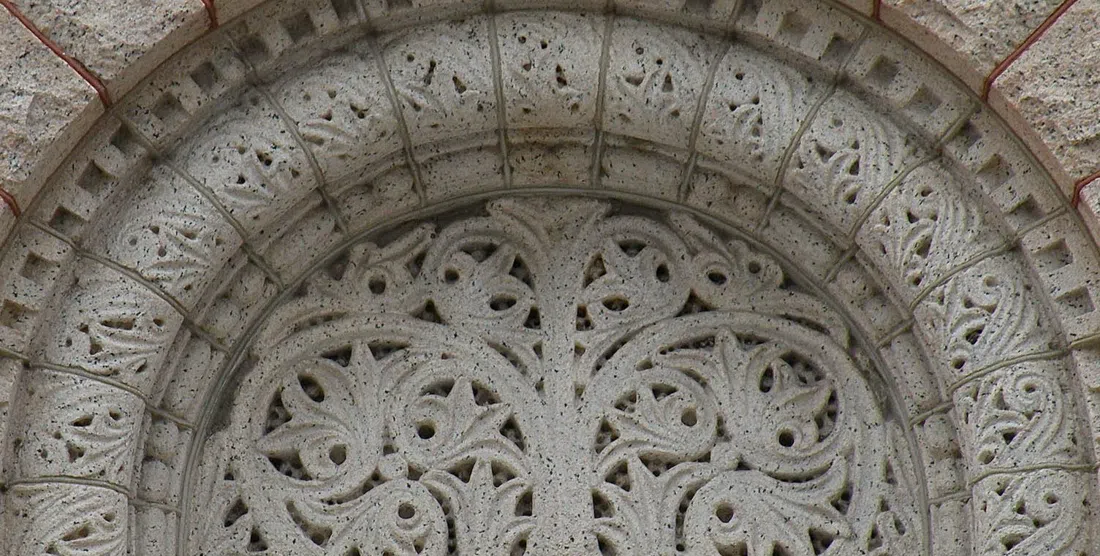
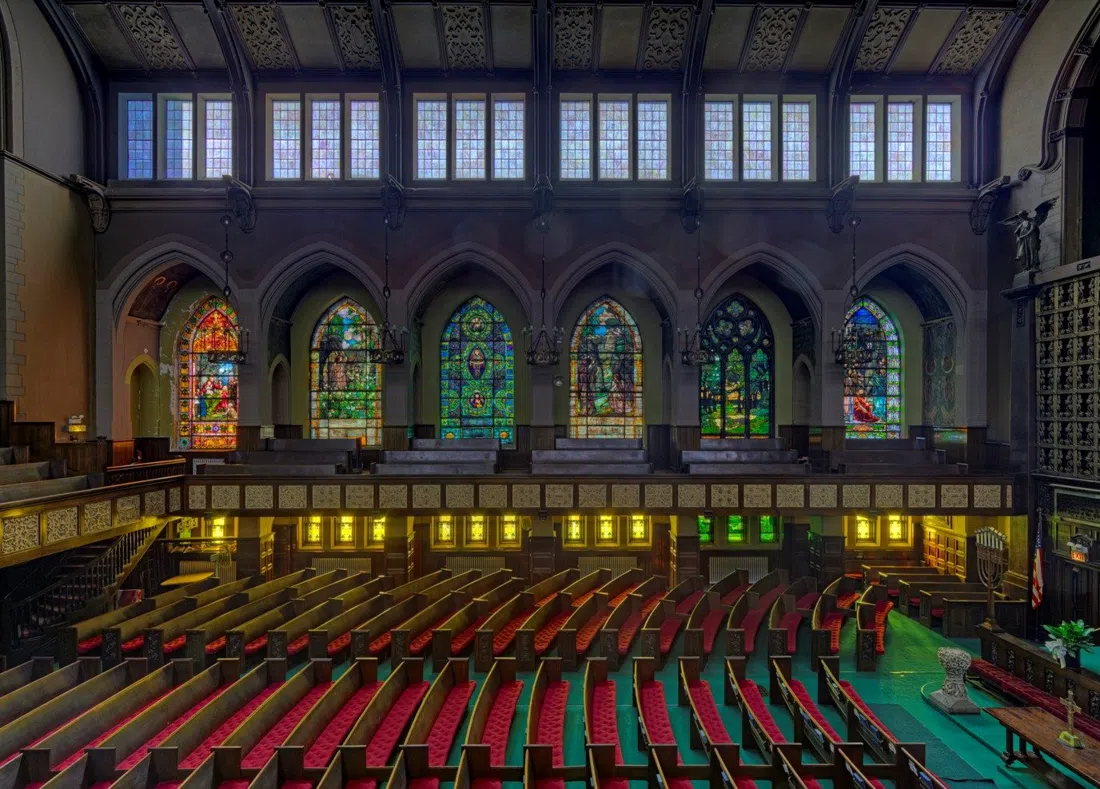
A short walk away, Second Presbyterian Church (Prairie Avenue) is a less obvious but more tactile stop. The congregation's original building burned in 1871, and this replacement, finished soon after, has real Arts and Crafts interior work rather than just a plaque explaining what used to be there. It's open for self-guided drop-in visits Friday, Saturday, and Sunday afternoons, free with donations welcome; private guided group tours can be booked through Friends of Historic Second Church for parties who want the full history rather than a quiet look around.
Seeing the whole story from a boat or a bus
For visitors who want the rebuild narrated end to end rather than assembled stop by stop, two guided options do the work for you. The Chicago Architecture Center's Great Chicago Fire Tour, a guided bus tour run by the city's most credible architecture body, is built entirely around the fire's spread and the decade that followed. It's the most literal match to this whole subject, and it explicitly takes group and private bookings, useful for anyone travelling with a school group or a coach party. Expect $45-55 per person.
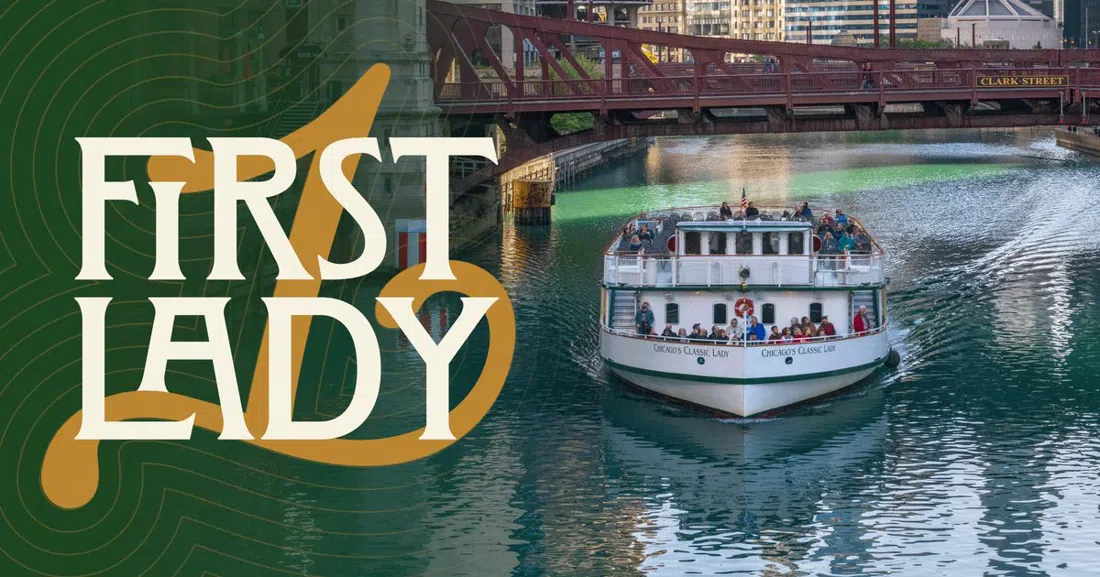
The Chicago Architecture Center River Cruise aboard First Lady is the single most famous activity in the city for good reason: ninety minutes on the Chicago River, narrated by a trained volunteer guide, is functionally a moving lecture on how post-fire code reform produced the skyline you're looking at. The fleet runs from small boats to a 250-passenger vessel, and group and private bookings are available for parties of 20 or more. Tickets run $55-80 per person, and in peak summer the popular departure times sell out. Book ahead rather than assume you'll walk up to the dock at Michigan Avenue Bridge and get on.
Firefighting history and the people who rebuilt it
Two lower-key stops close the narrative properly. The Fire Museum of Greater Chicago is genuinely niche and worth flagging clearly: its public hours are limited to the last Saturday of each month, though volunteers will accommodate weekday group visits by request if you contact them ahead of time. Entry is free or by donation. It's not a stop to build a day around, but it's the right add-on for anyone who wants the firefighting-history angle rather than just the architecture story: period equipment, apparatus, and the kind of institutional memory a city's fire department keeps for itself.
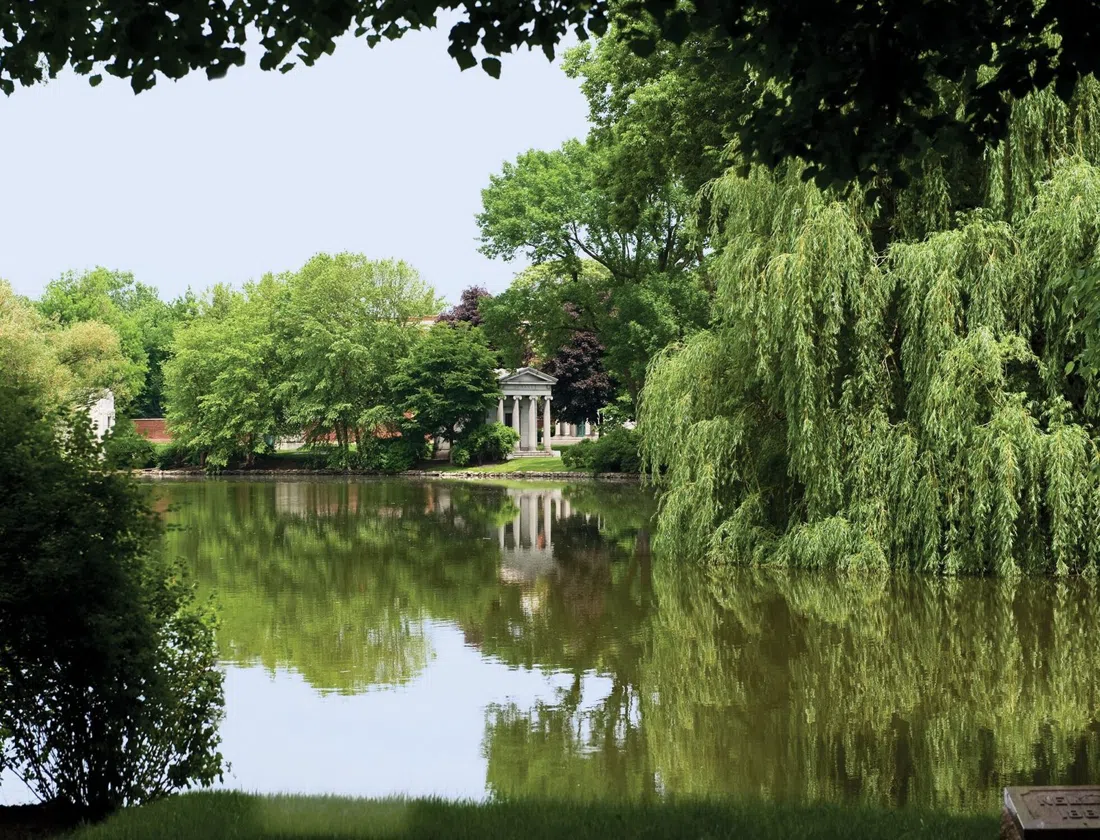
End, instead, where the people who did the actual rebuilding are buried. Graceland Cemetery's Cemetery of Architects tour (Uptown), a two-hour guided walk run regularly by the Chicago Architecture Center and other licensed guides, costs $35-40 and takes you past the monuments the era's leading architects designed for one another: Burnham, Sullivan, and their contemporaries, marking their own graves with the same ambition they brought to rebuilding the Loop. It's an unusual way to close a trip built around a fire, but it lands: this is literally where the decade's authors ended up.
Getting around, timing it right, and what to budget
The Loop sites (the Rookery, the Monadnock, the Cultural Center, the Reliance Building, the river cruise dock) are all within a twenty-minute walk of each other and best done on foot. Prairie Avenue is a short ride or a longer walk south of downtown, and Graceland Cemetery is reachable directly via the CTA Red Line to Sheridan or Wilson. The Fire Academy on the Near West Side is a rideshare or a Blue Line ride plus a short walk; it isn't a natural add-on to a Loop-based day, so plan it as its own morning with the History Museum. Chicago's transit runs on the Ventra card system, and a day pass is the simplest option if you're covering three or more of these stops by CTA.
You'll rarely need cash. Chicago runs on cards almost everywhere, including museum admissions and guided tours. The Fire Museum of Greater Chicago is the one exception worth carrying a little cash for, since it operates on donations at a volunteer-run, limited-hours site.
Build the trip around the fixed windows, not the other way round. The Cultural Center's free Tiffany Dome tours run only Thursday and Friday at 1:15pm. Glessner House closes entirely to tours in January. The Fire Museum's public opening is one Saturday a month. None of this is a problem if you check the calendar before you land; it becomes one if you assume everything is open on your schedule.
Roughly half this itinerary costs nothing: the Water Tower, St. Michael's Church, the Rookery and Monadnock lobbies, the Cultural Center, Second Presbyterian, the Fire Academy plaque, and the Reliance Building's exterior are all free. The ticketed half runs from $15 for a Rookery docent tour up to $80 for the river cruise, so a full day mixing free architecture stops with one guided tour and the river cruise lands somewhere around $80-120 per person, excluding meals. If you're staying downtown to be near the Loop sites, start with a Chicago hotel search; for the rest of what the city offers outside this one story, the Chicago guide covers the wider trip.