
The fire took three days in October 1871 to burn roughly four square miles of Chicago down to brick dust and melted iron, and it took the city less than a generation to answer with something the world had never seen: a skyline held up by steel skeletons instead of load-bearing walls. You can still trace that argument today, block by block, lobby by lobby, from a scorched limestone tower that somehow didn't burn to a hotel that reopened before the ashes were cold. This is a walk through the actual buildings where architects rewrote the rules of how tall a building could stand, not a plaque-reading exercise.
Start with the building that refused to burn
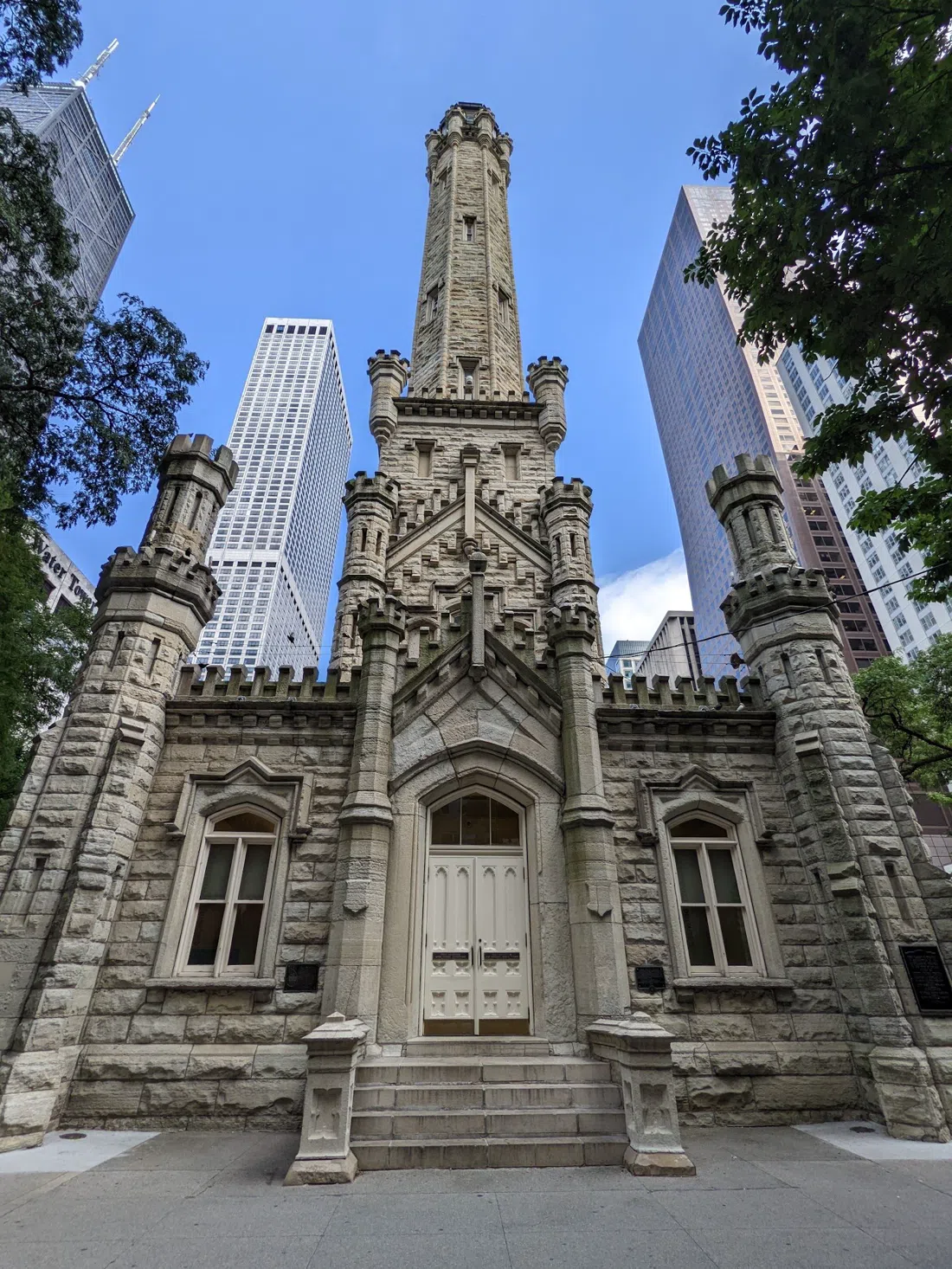
The honest place to begin is the one relic everyone already half-knows without knowing why it matters. The Old Chicago Water Tower & City Gallery on the Near North Side, just off North Michigan Avenue, is a squat, castellated limestone folly that looks almost sheepish next to the glass towers around it, and that's the point. It was one of the only public structures in the fire's path left standing, and it's stood in that exact spot, visibly scorched, ever since. There's no ticket, no booking, no docent required: it's a free public building with a small gallery inside, open to anyone who wanders up, and it works for a solo traveler killing twenty minutes or a loose group of eight who can't agree on a plan. Stand in front of it first. Everything else in this guide is the answer to the question it raises: if the fire didn't take this, what did it take, and what got built in its place?
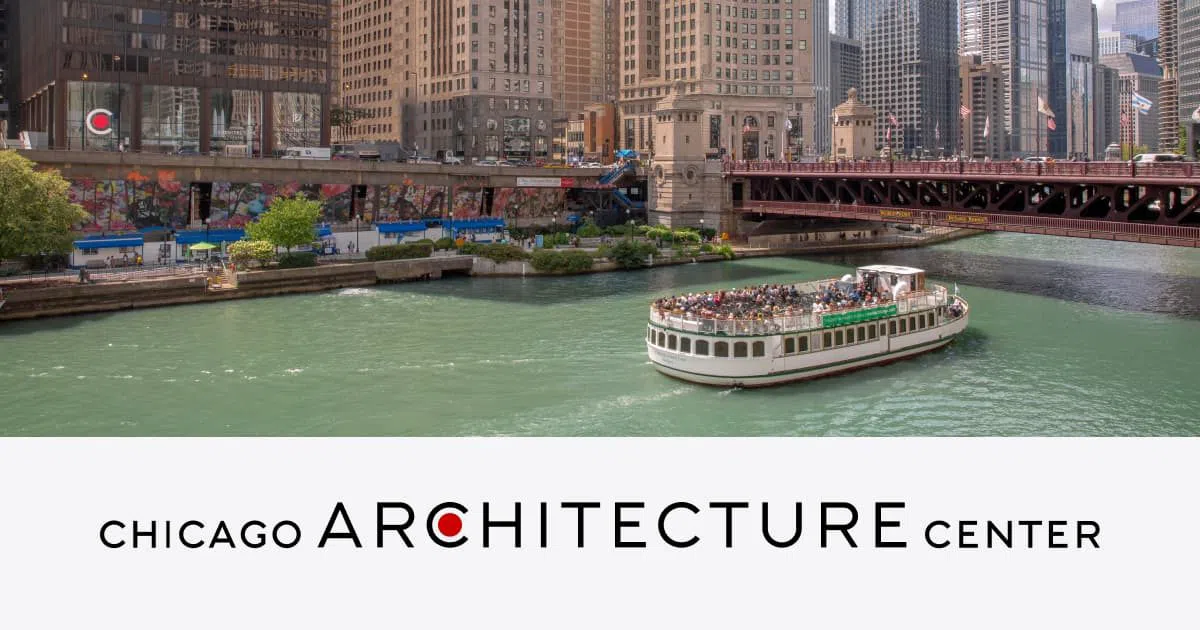
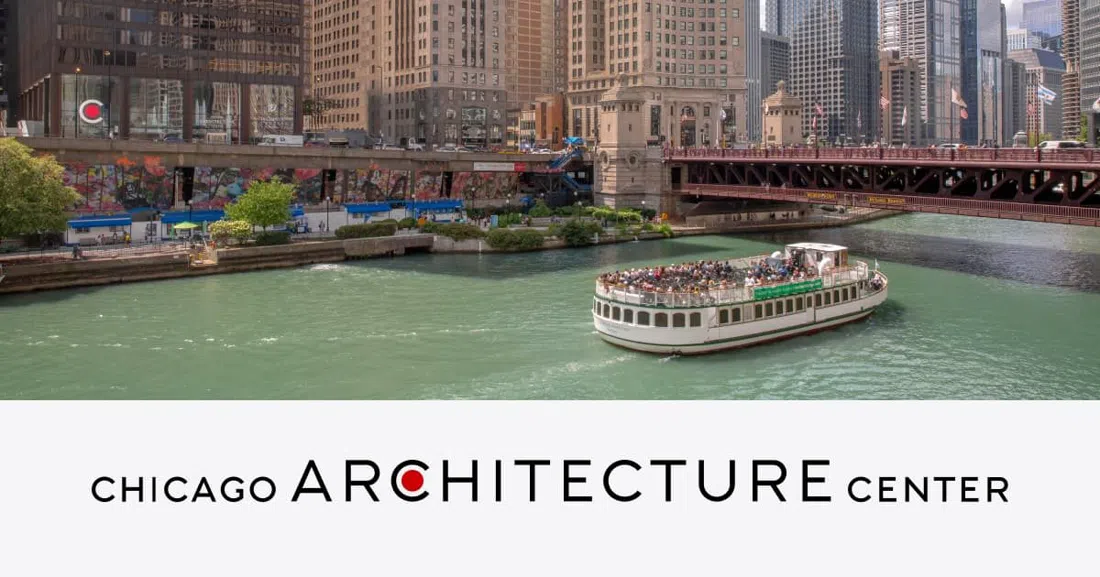
For the fuller answer, two stops do the scene-setting work properly. The Chicago Architecture Center, right on the river in the Loop, is where you should book the docent-led river cruise ($25 to $55) or a gallery visit ($19 and up) before anything else on this list. Their guides narrate, in real time and from the water, exactly how the fire cleared 200 blocks for Root, Jenney, Sullivan and Burnham's steel-frame revolution, and the First Lady cruise boat leaves from a dock right outside the door. It's built for groups, with group rates on request, so it's the one stop on this itinerary that comfortably absorbs a family reunion or a work outing. Pair it with the Chicago History Museum's City on Fire: Chicago 1871 exhibit in Lincoln Park ($19 adults, free for Illinois residents on Wednesday evenings), which is the closest thing the city has to a primary-source account of the fire itself and the unequal way the rebuild actually played out: who got insured, who didn't, and who got pushed south to Prairie Avenue as a result. It handles school and tour groups routinely with advance group-rate booking, so call ahead if you're arriving as more than a handful.
Walk the block where masonry became steel
This is the part of the trip that rewards slow walking rather than a checklist. Within a few blocks of the Loop's LaSalle and Dearborn corridor sit three buildings that, read in sequence, form an actual engineering argument.
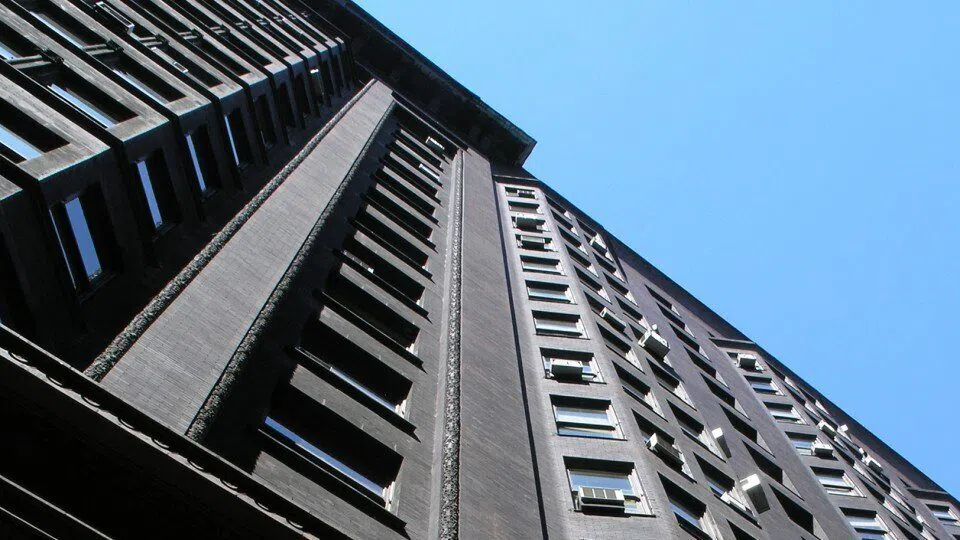
The Monadnock Building on Dearborn is the hinge point, literally split down the middle into two construction methods. Its northern half is unreinforced masonry with walls six feet thick at street level because that's what it took to hold the weight without a steel skeleton; its southern half, built only a few years later, uses the new steel frame and needs nowhere near the mass. Walking from one end to the other is the whole story of post-fire Chicago engineering compressed into one building, and the lobby is free to enter regardless of group size. Guided and private tours can be booked through the Chicago Architecture Center if you want the engineering explained rather than guessed at.
A short walk away, the Rookery Building takes the argument further: one of the first buildings to prove fireproof steel-frame construction could actually work at scale after 1871. The lobby is free and open on weekdays from 7am to 6pm, but the real reason to come is the two-story skylit light court, redesigned decades later by Frank Lloyd Wright, whose Trust now runs the scheduled small-group tours ($15 to $20). Book ahead; the light court group sizes are kept deliberately small, so this isn't a stop you can wing with fifteen people at short notice.
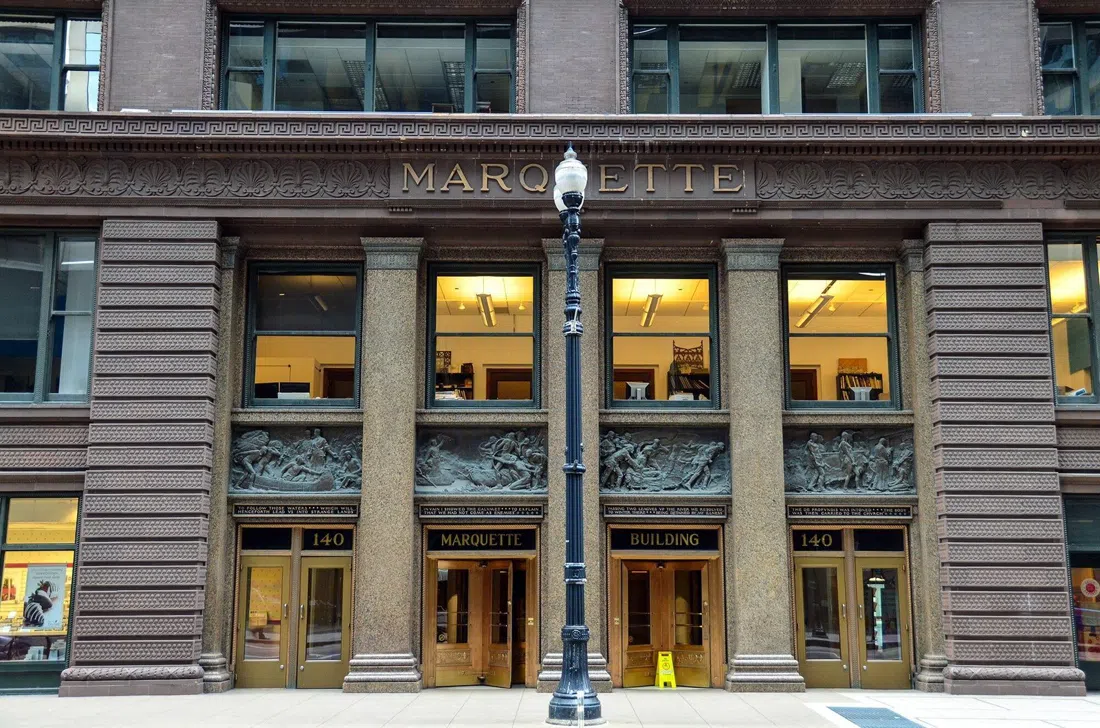
Round out the block at the Marquette Building, a textbook 1895 Chicago School skyscraper whose free lobby (open daily 7am to 10pm) does more storytelling per square foot than most museums, thanks to Tiffany mosaics depicting Jacques Marquette's 17th-century expeditions. The Chicago Architecture Center runs periodic scheduled group tours here too, but honestly, the lobby alone (free, no booking, no time limit) is worth the five-minute detour if you're already walking this stretch of the Loop.
The hotel that never actually closed
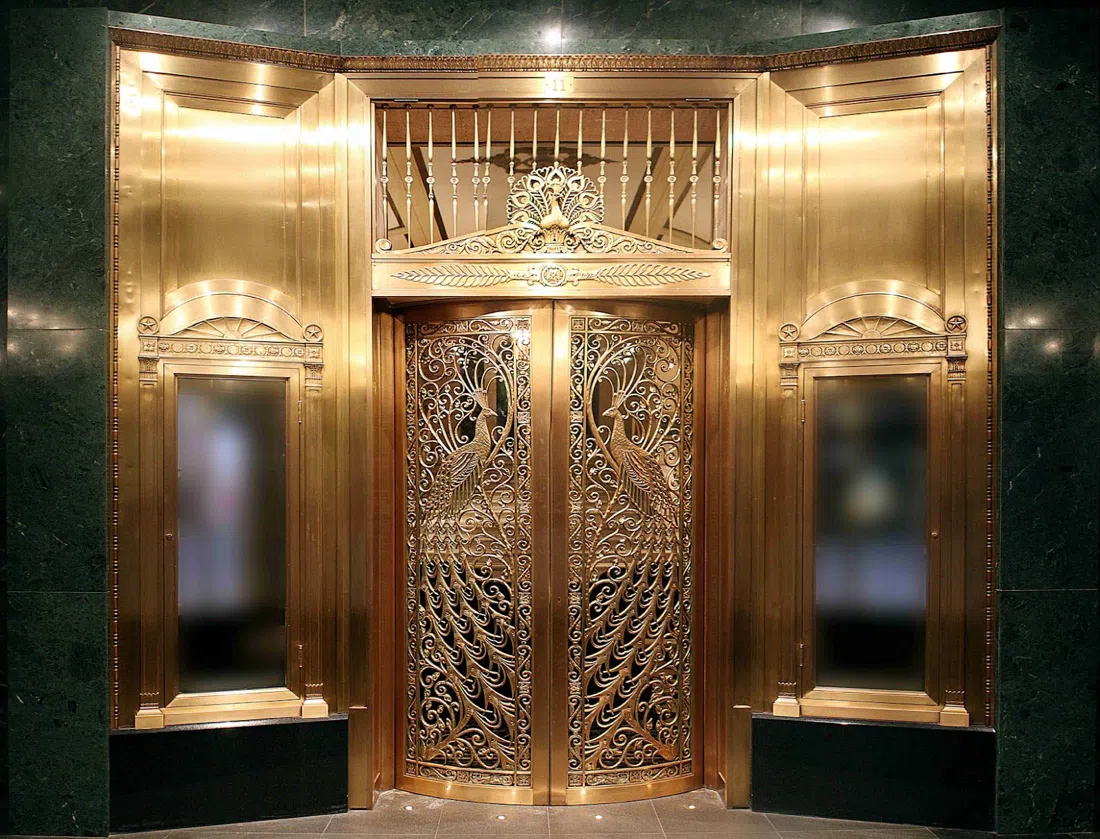
If one building in Chicago earns the right to anchor a headline about rebuilding, it's the Palmer House Hilton on State Street. Potter Palmer's hotel opened in September 1871, burned to the ground thirteen days later in the fire, and reopened without ever fully shutting its doors to guests: the literal, unembellished origin story behind every "rebuilt itself" cliché this city has earned the right to use unironically. It's still a large working hotel today (rooms from around $200 a night), built to handle groups and events as a matter of daily business, with self-guided lobby viewing plus CAC-run tours for anyone who wants the history walked through room by room rather than read off a plaque. If you're building your stay around this story, start your search at Chicago hotel search; Palmer House and the other landmark-building hotels on this list all show up there.
Civic buildings designed to out-dazzle the fire
A few blocks of the rebuilt Loop were built to prove a point, not just to function, and they're worth visiting specifically for how hard they try to dazzle.
The Chicago Cultural Center on Michigan Avenue is the clearest case: a free public building constructed explicitly to show the rebuilt city could out-shine its own ashes, capped by what's still the world's largest Tiffany glass dome. Docent tours run Thursday and Friday at 1:15pm and accommodate walk-up groups, though the tour size is capped, so arrive early if there are more than a couple of you. It's free either way; the dome alone is the payoff of the whole "stone and steel" narrative, and it photographs like nothing else in the city.

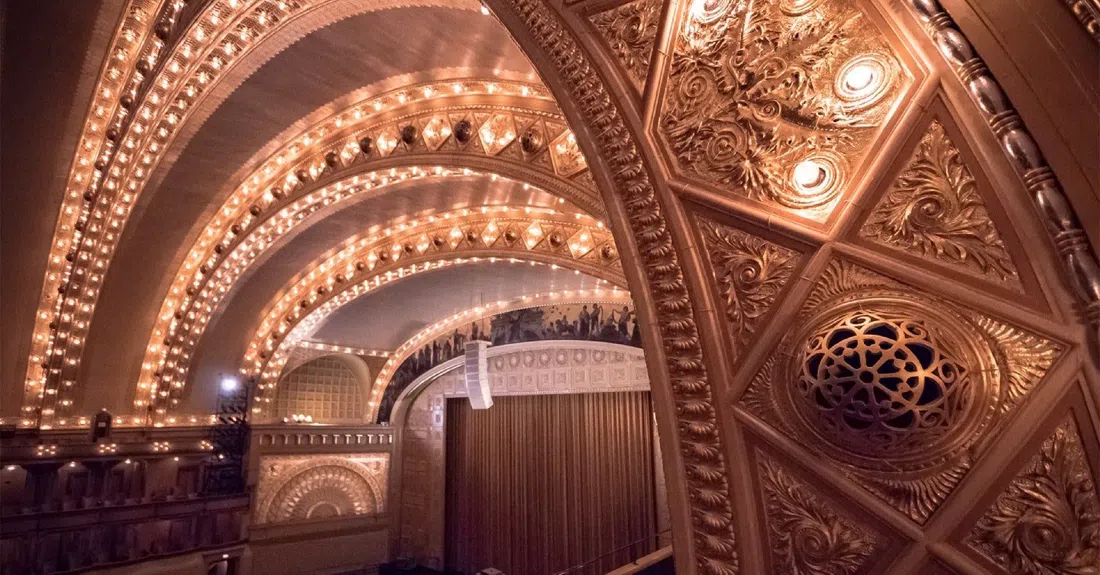
A short walk south, the Auditorium Theatre is the building that put Louis Sullivan and Dankmar Adler on the map barely two decades after the fire, and it's still in daily use as a working performance venue rather than a museum piece. You'll likely walk in past a poster for whatever's on that week. Private group and backstage tours (roughly $15 to $20) go through a request form on the official site rather than walk-up booking, so plan a few days ahead if you want the backstage version rather than just a ticket to a show.
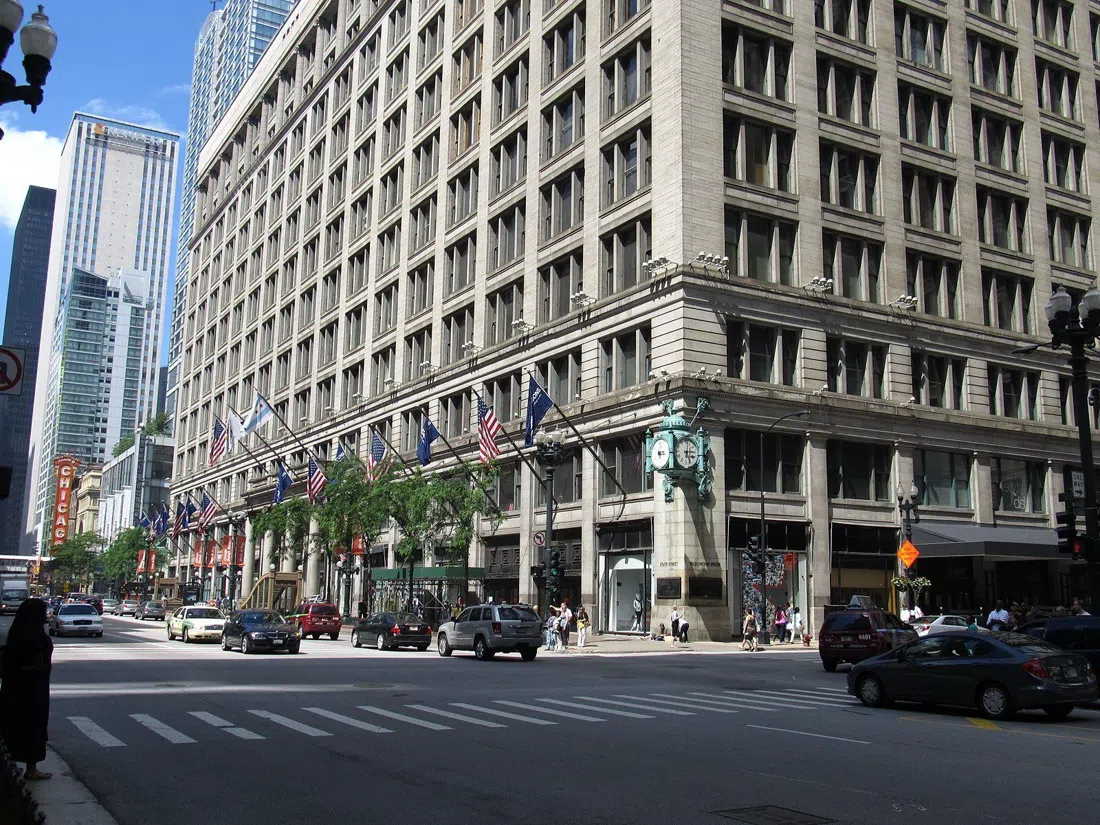
And don't skip Macy's on State Street, which is still, underneath the modern signage, the store Marshall Field rebuilt after the fire and which commissioned the 1907 Tiffany dome that still arcs over the atrium. It's a working retail store (free to browse, any group size welcome, no booking required) and worth five minutes with your head tilted back even if you have zero interest in shopping. Ground your notes in "Macy's on State Street," not the old Marshall Field's name; it's been Macy's for close to two decades now.
The second boom, in hotel lobbies
By the 1890s and early 1900s, Chicago was building with confidence, not just rebuilding, and two hotels and one converted factory floor show that second act best.
The Alise Chicago, occupying the landmark Reliance Building on State Street, is worth a respectful look at the public lobby even if you're not staying: this was one of the earliest buildings to prove a steel-and-glass curtain wall could carry a tower's weight, freeing up huge plate-glass windows that were radical for their time. It operates today as a Staypineapple boutique hotel (rooms from roughly $180/night), no longer under the Kimpton or Hotel Burnham name, but the restored structure is intact and open to view. Group bookings for stays go through the hotel directly rather than a public tour desk.
A few blocks away, the Chicago Athletic Association, on Michigan Avenue and now operating as the Unbound Collection by Hyatt, shows what the second post-fire building boom looked like once the city had money to spare: Venetian Gothic detailing on the outside, a genuinely lavish interior. It's not part of the immediate 1870s rebuild, but it's essential to the "stone and steel" arc as the moment Chicago stopped just replacing what burned and started building to impress. Scheduled building-history tours run weekdays at 2pm and weekends at 11:30am, meeting at the In The Know desk, and they comfortably take small groups.
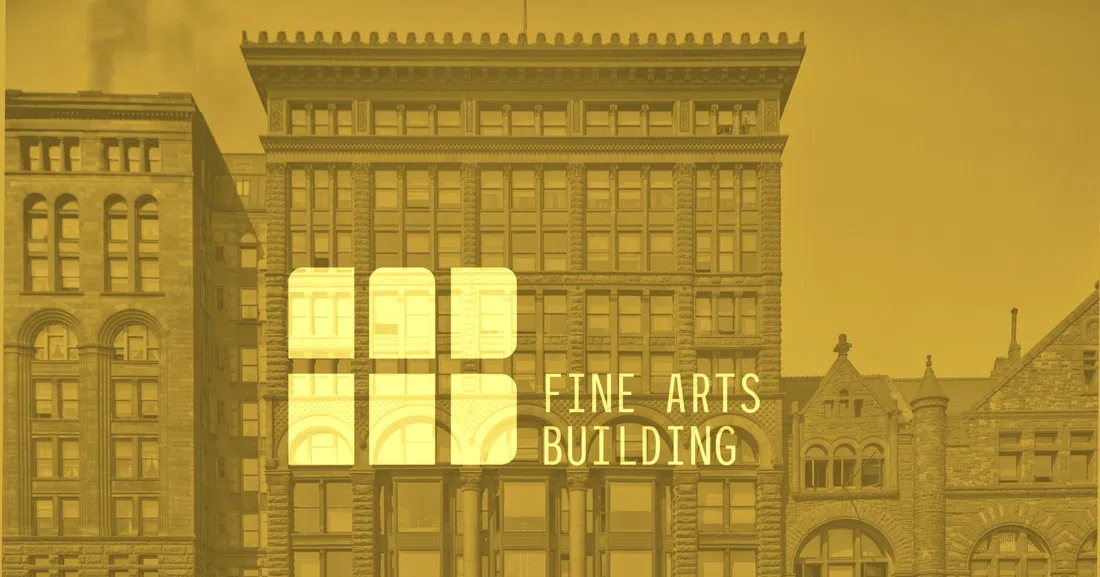
Last on this stretch, the Fine Arts Building near Michigan Avenue is the rebuild's quieter second act: an 1885 industrial building repurposed into Chicago's first dedicated arts hub, and it's still a working artist community today rather than a preserved husk. The Studebaker Theater inside is staging shows in 2026. The Chicago Architecture Center runs a scheduled one-hour group tour (around $20), and general building access during business hours is free; respectful small groups wandering the corridors are entirely normal here, since working painters and musicians still keep studios upstairs.
Prairie Avenue's answer to the skyscraper
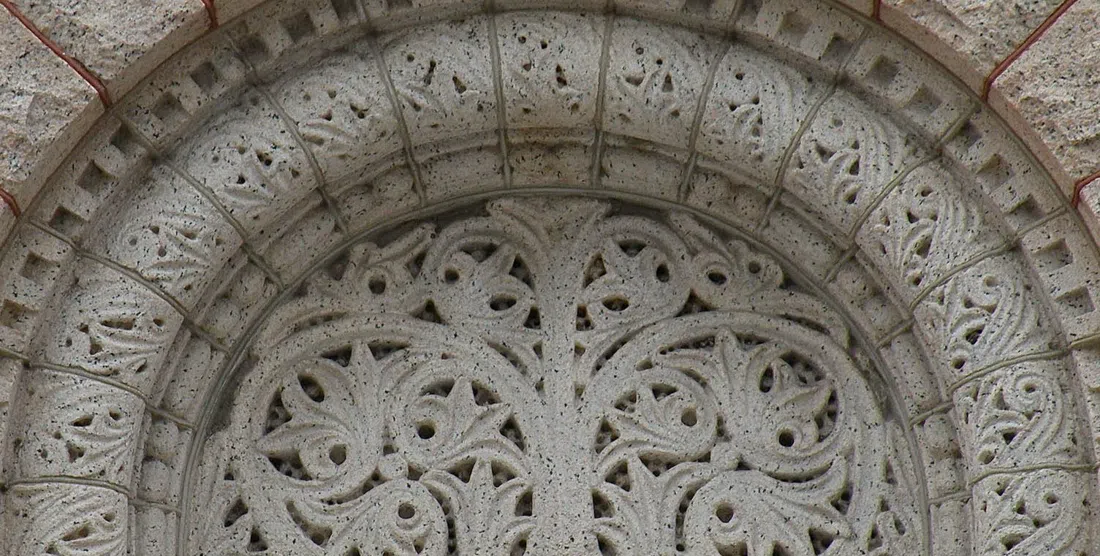
Not everyone who got rich rebuilding Chicago wanted a tower downtown. The Glessner House Museum on Prairie Avenue, on the Near South Side, is the counterpoint this itinerary needs: a fortress-like Romanesque mansion built by families who took their post-fire wealth south into a residential enclave instead of up into a skyscraper. Scheduled small-group guided tours run Wednesday, Friday and Saturday ($20 adults, $17 seniors and students), with a dedicated architecture-focused tour on some Saturdays limited to just eight people. Book that one well ahead if the engineering detail is what you're after. Note the house closes for tours in January, so confirm dates before you build a whole afternoon around it.
Getting around, timing and budget
Almost everything above sits within the Loop or a short ride from it, so the CTA (the 'L') is genuinely the easiest way to string these stops together: the Brown and Orange lines loop the Loop itself, and a day pass beats individual fares if you're doing more than three stops. Prairie Avenue for Glessner House is a 10 to 15 minute cab or rideshare south of the Loop cluster; it doesn't sit conveniently on the same walking route as the rest, so treat it as its own half-day rather than an add-on. Most lobbies (Rookery, Monadnock, Marquette, the Reliance Building, Macy's, the Water Tower) are free and need no advance planning. Build your day around those as the flexible core, then slot in the two or three ticketed, timed tours (Glessner House, the Fine Arts Building, the Cultural Center's Thursday/Friday slot, Auditorium Theatre's backstage tour) around them, since those have fixed windows and, in Glessner's case, genuinely small caps.
Budget for a single determined day covering four or five stops at roughly $60 to $90 per person once you add a CAC river cruise or gallery ticket and one or two guided tours; the free-lobby route alone can be done for the cost of a transit pass. Most venues take cards, but keep a little cash for the odd tour deposit or gift shop. Late spring through early autumn is the easiest season to do this on foot: Chicago's Loop empties out fast once the wind comes off the lake in winter, and a few of these tours (Glessner House in January especially) go on seasonal hiatus, so check current schedules before you lock in a date. For everything else the city has to offer beyond this fire-and-rebuild thread, the full Chicago guide is the place to start planning the rest of the trip.