The Blue Line out of Logan Square never stops running, and that single fact shapes comedy in Chicago more than any theory of the form. Bars here hold 2am licences, 4am on a Saturday, and the shows worth crossing town for start when most cities are stacking chairs: thirty original plays in sixty minutes at half past ten, a donation bucket passed at half past one, fifty comics signed up for three minutes each in the back room of a dive. This is a map of those rooms, what they cost, and who they honestly suit.
The city that invented the form and then stayed up with it
Chicago has been exporting comic talent since the late 1950s, and the machinery that produces it is still visible on the street. Long-form improv was worked out here by Del Close and the people who orbited him, and the storefront theatre, a converted shop with sixty chairs and a lighting board older than most of the cast, remains the default unit of the scene rather than a charming exception. The consequence for a visitor is practical. Nobody here performs once a night. A working Chicago comic will take a paid set at a club, an unpaid set at a storefront, and a mic after that, which is why the late slot is the one where the material is unfinished and the crowd is half other performers. The tourist show is at 8pm. The interesting show is at 11.
Geographically the circuit runs along two spines. The first is Milwaukee Avenue, cutting northwest through Wicker Park, Logan Square and beyond: the storefront belt, walkable in stretches, and served by a train that runs around the clock. The second is the north lakefront corridor, from Old Town up through Lakeview to Andersonville, where the institutions and the two big stand-up clubs sit. There is one major room south of the Loop, and its address is a deliberate answer to that geography. Plan a night along one spine rather than across both: the cross-town hop at midnight eats forty minutes you would rather spend in a chair.
The Milwaukee Avenue run
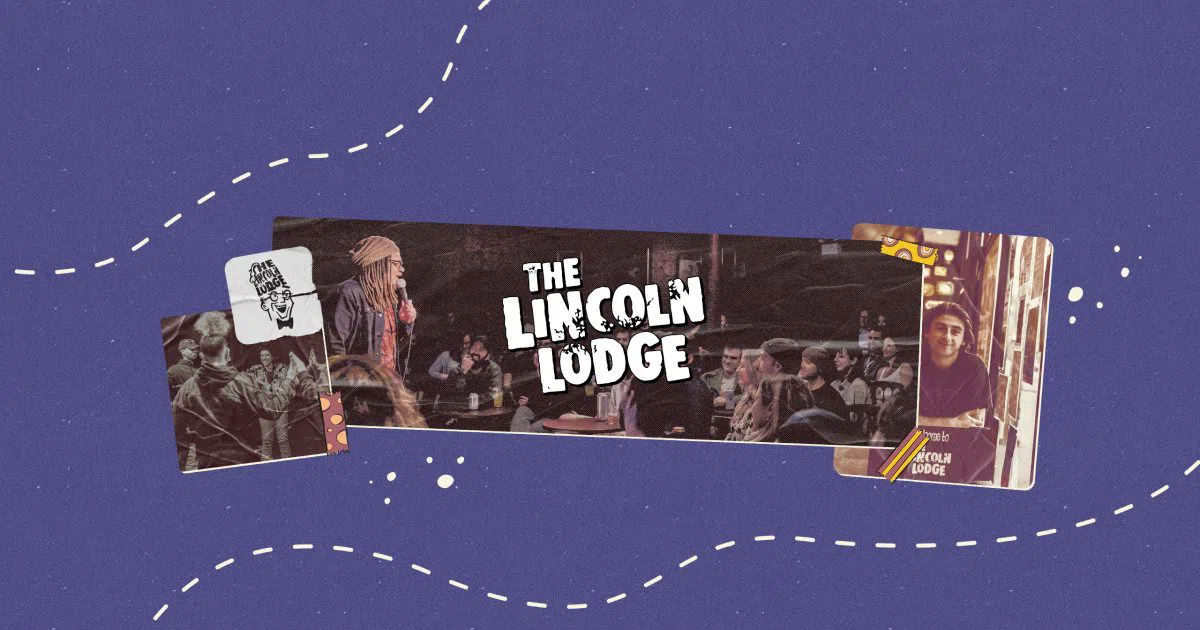
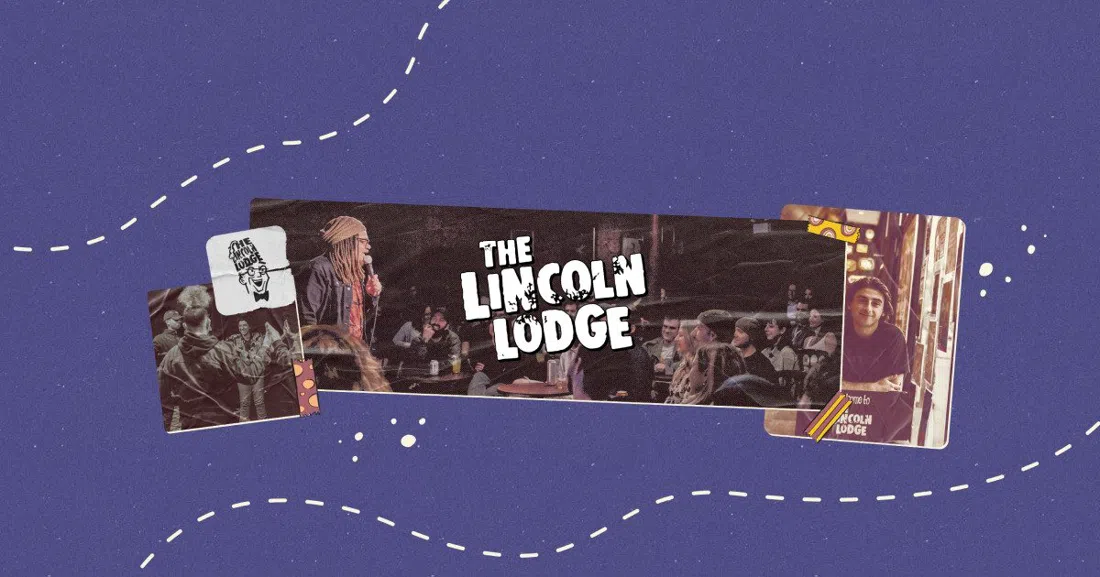
If you have one night and want the real circuit rather than the packaged version, start at The Lincoln Lodge in Logan Square. It is the nation's longest-running independent stand-up showcase and was the Chicago Reader's 2025 pick for Best Venue for Stand-Up, and it now operates as a nonprofit comedy campus: three theatres, two classrooms and a podcast studio, so there is usually more than one thing running on a Friday. Tickets sit around $15 to $25, more for a headliner night. Groups are genuinely welcome, but call (773) 251-1539 ahead for anything over about eight people on a Friday or Saturday, because the rooms are small and the good one sells.
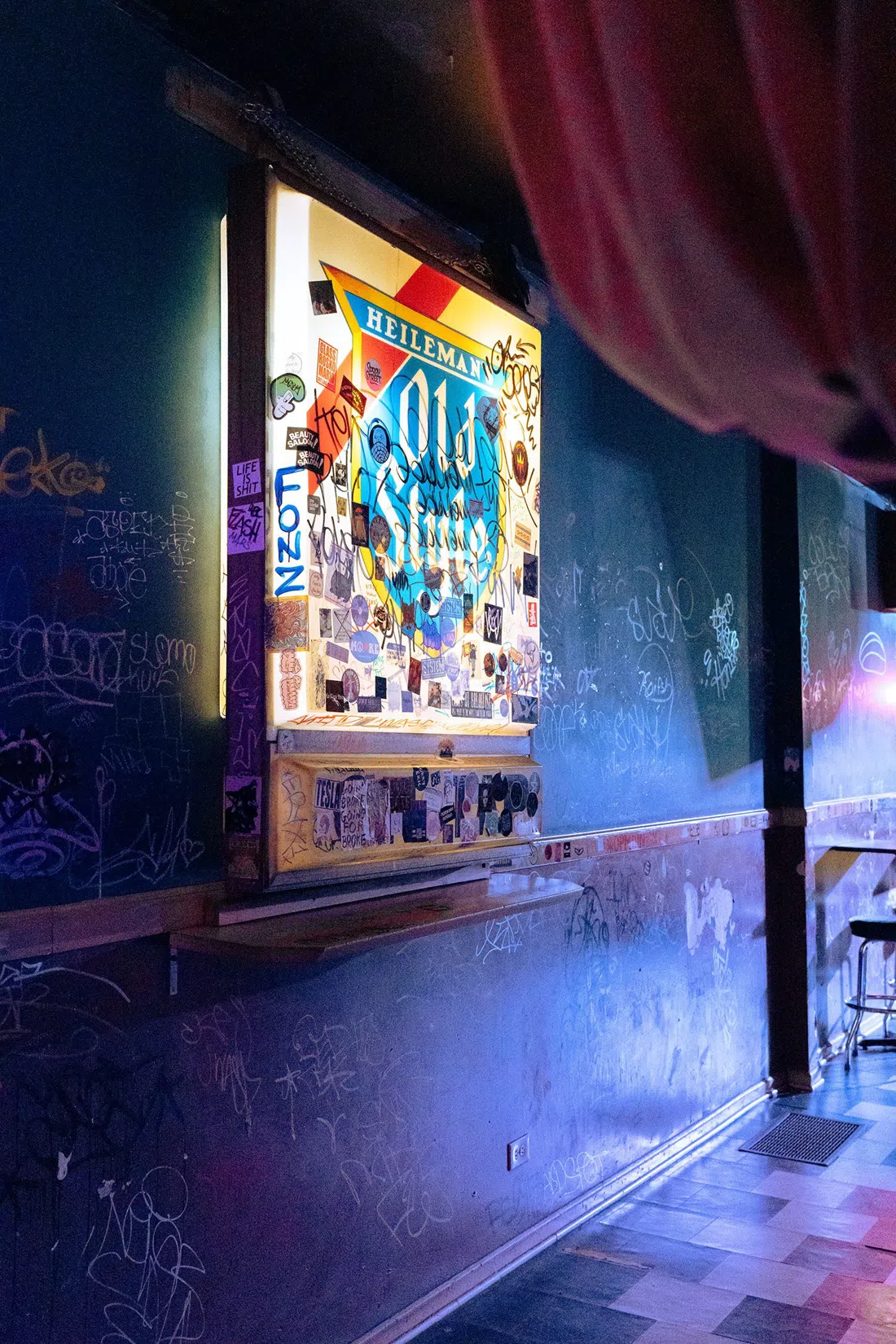
A few minutes further along the same avenue, Cole's Bar in Logan Square runs the most infamous open mic in the country every Wednesday, 9:30pm until 2am, free, with up to fifty comics on the list. There is no door policy and no cover, which is both the appeal and the warning: it is a small back room that fills, so a group of more than four should be sitting down well before the 9:30pm start. This is the rawest look at the circuit you will get, some of it excellent and some of it plainly not ready. Come for the anthropology rather than a guaranteed good time.
South of there, The Den Theatre in Wicker Park bridges the basement and the theatre circuit. Nationally touring comics play the city here without the club machinery attached, and the long-running Stand Up Stand Up weekly showcase lives here too. Prices swing widely with the act, roughly $20 to $45. It is the strongest option on this stretch for a group, with multiple room sizes and a dedicated rental contact at [email protected], or the box office on (773) 697-3830.
Still on the northwest side, The Comedy Clubhouse is the highest-rated small room in the city and the most reliable place to catch a mixed bill of locals rather than a single touring name. Tickets run about $15 to $25, with 20% off when you book online, and the room is explicitly built for groups: private shows, venue rentals, fundraisers and workshops all go through [email protected] or (773) 312-FUN1. It is the right call when a party wants an actual comedy club rather than a bar's back room.
Lakeview and the rooms that stay open longest
The Annoyance Theatre & Bar in Lakeview is Mick Napier's 35-year-old temple of anything-goes comedy and the closest thing Chicago has to a permanently open late-night comedy bar. Shows run seven nights a week with the latest slots after 10pm, tickets are about $12 to $25 with drinks on top, and the bar seats around seventy auditorium-style, so it absorbs walk-up groups on show nights better than almost anywhere else on this list. Both theatres also rent out for parties. If you want one address you can turn up to late without a plan, this is it.
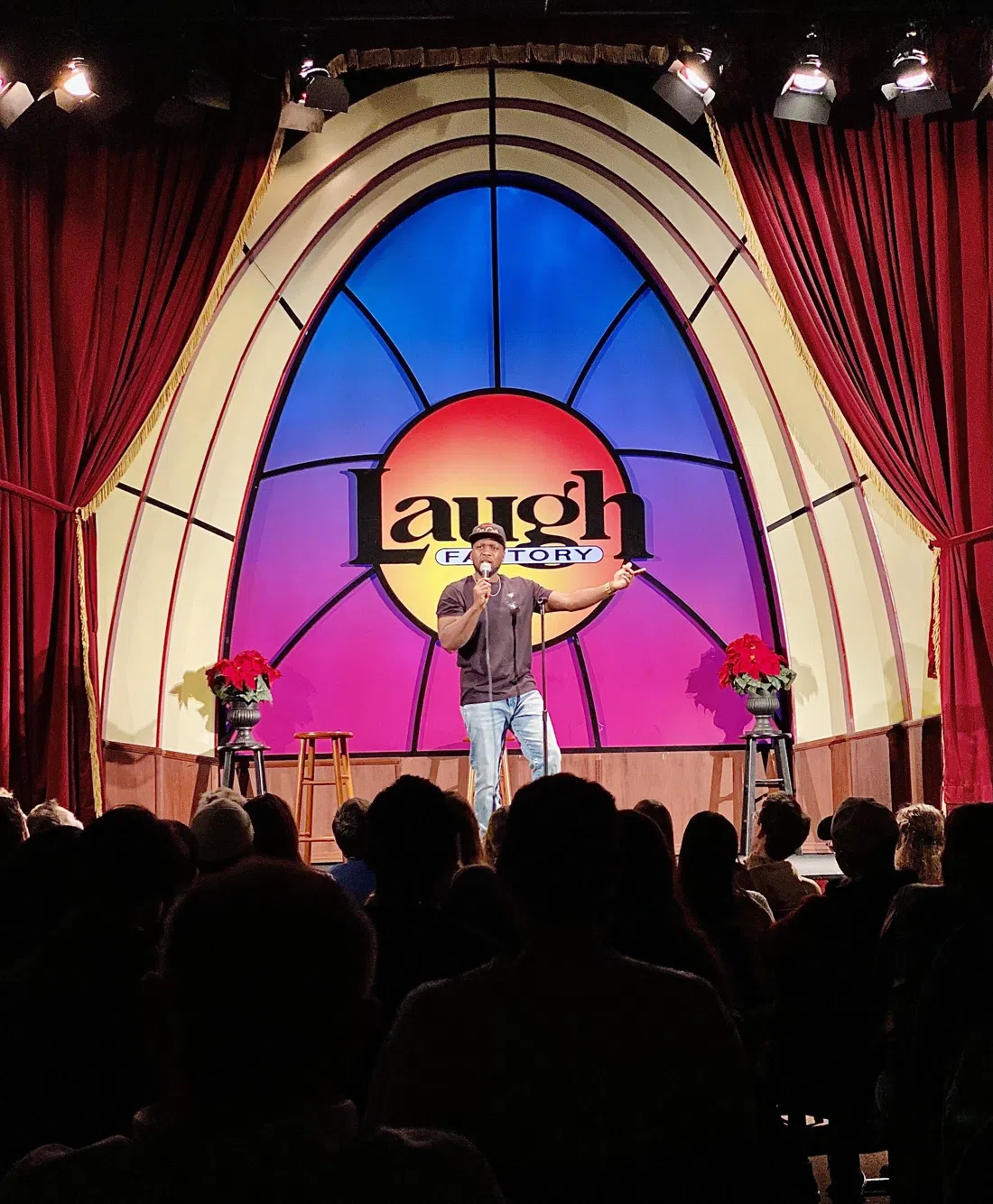
Laugh Factory Chicago, also in Lakeview, is the most dependable after-11pm booking in the area, with shows as late as 11:30pm, doors open until 1am on Saturdays, and the monthly Rocket Force showcase of rising Midwest comics. Be clear-eyed about the economics: around $20 general admission at the door or $30 for VIP, table seating, a two-drink minimum per person and an 18% service charge on the drink tab. All shows are 18+. A couple will do fine at the back; a group of eight should expect the bill to land nearer $60 a head than $20.
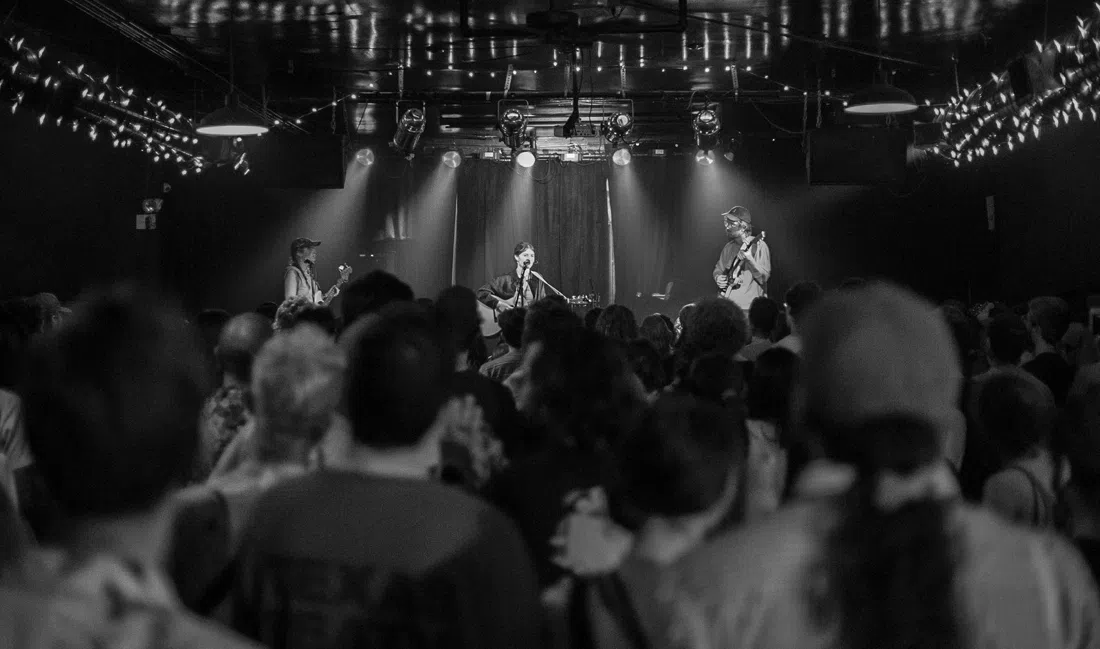
A short ride west, Beat Kitchen in Roscoe Village has hosted Chicago Underground Comedy every Tuesday since 2005: pure stand-up, four or five comics, no improv, and effectively the room where the city's alt-comedy scene was built. It is about $10 to $15 for the show, with food and drinks separate. Two practical warnings. The upstairs comedy room is small and 21+, and it is not step-free; there is no lift, so flag accessibility before you book anything for a group.
Old Town, where the institutions live
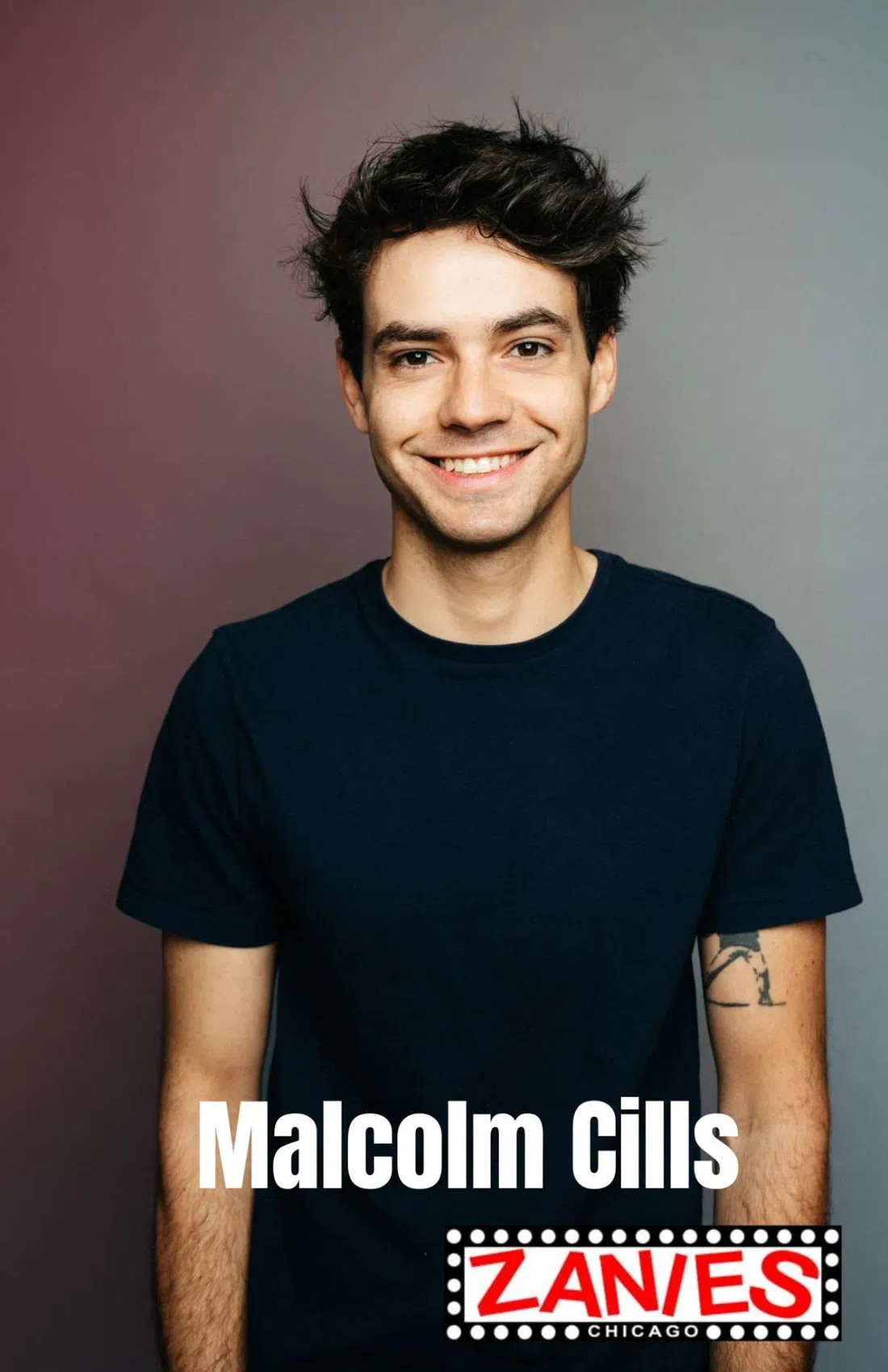
Zanies Comedy Club in Old Town has been open since 1978 and is still the tightest room in the city, low ceiling, tables close enough that the front row is a participant whether it wants to be. The proper late slot is the After Hours showcase at 11:15pm, when touring headliners drop in unannounced to work out new material, and on the right night that is the best value in Chicago stand-up. Reckon on $26 for showcases and $37 to $60 for headliners, plus a two-drink minimum. It is 21+, seating is by table, valid photo ID is now required to claim seats, and groups should book by phone on (312) 337-4027 rather than trusting a walk-up.
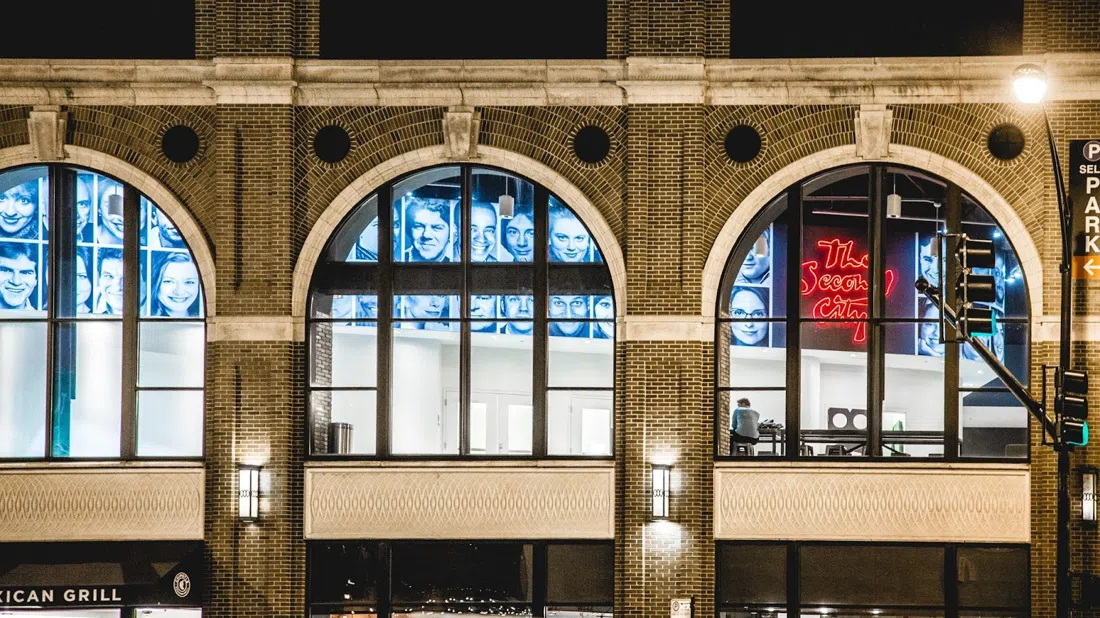
A few doors along, Judy's Beat Lounge at The Second City in Old Town is the one room in that building that still behaves like the underground: improv jams, solo shows and late-night experiments, frequently with mainstage cast members trying things they would not risk upstairs. It runs about $15 to $30. It is also the smallest room in the building, so book ahead through the box office rather than walking a party in and hoping.
Then iO Theater, on the Goose Island side of Old Town, which is Del Close's house and the birthplace of long-form improv. There are four rooms, so there is nearly always something on, at roughly $10 to $30. The shows are the reason to go; the bar and patio, open until 2am on Fridays and Saturdays, are where the post-show scene actually happens, and where you will end up talking to people who were on stage twenty minutes earlier. Large parties should write to [email protected] rather than turning up en masse.
Further north, where the form gets strange
The Neo-Futurist Theater in Andersonville runs The Infinite Wrench at 10:30pm on Fridays and Saturdays: thirty original plays in sixty minutes, rewritten weekly, and the strangest late show in the city. Tickets are $15 to $20 with pay-what-you-can seats at every performance, ages 13+. The rule that matters is the one printed everywhere: NO LATE SEATING, enforced absolutely. Admission is general and there is no formal group policy, so buy together in advance and arrive early. A group that straggles will be split, and the ones who miss the door will not be let in out of sympathy.
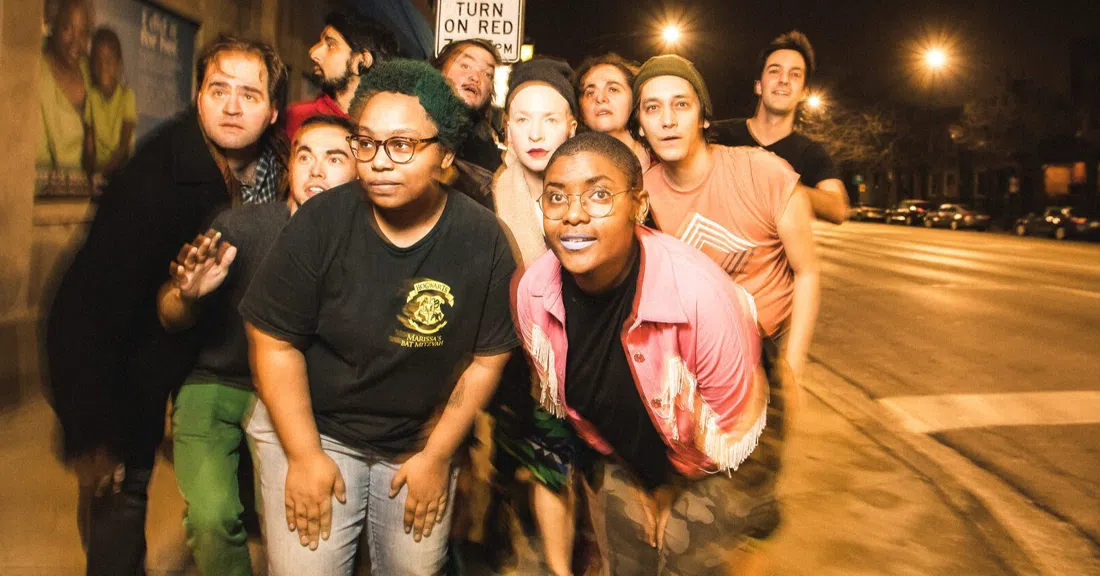
Bughouse Theater in Ravenswood takes its name from Bughouse Square, the old free-speech soapbox park, and behaves accordingly: a scrappy artist-run room where Friday Night Riot and the 10pm late slots are the draw. It is $12 online or $15 at the door, tickets sold both ways, so a walk-up group is normally fine outside the big nights. It is also BYOB, which is rarer than it sounds and halves the cost of an evening.
The cheapest serious comedy in the city is at The Playground Theater on the North Side, the nation's first not-for-profit improv co-op, run entirely by the performers who play it. Shows run seven nights a week and push past 1am at weekends, closing around 1:30am on Fridays and Saturdays. It is 100% donation-based, pay what you like, which is generous and also means nothing is reserved for anyone. Turn up early, particularly for that last slot, and bring notes rather than a card.
Two rooms that break the pattern
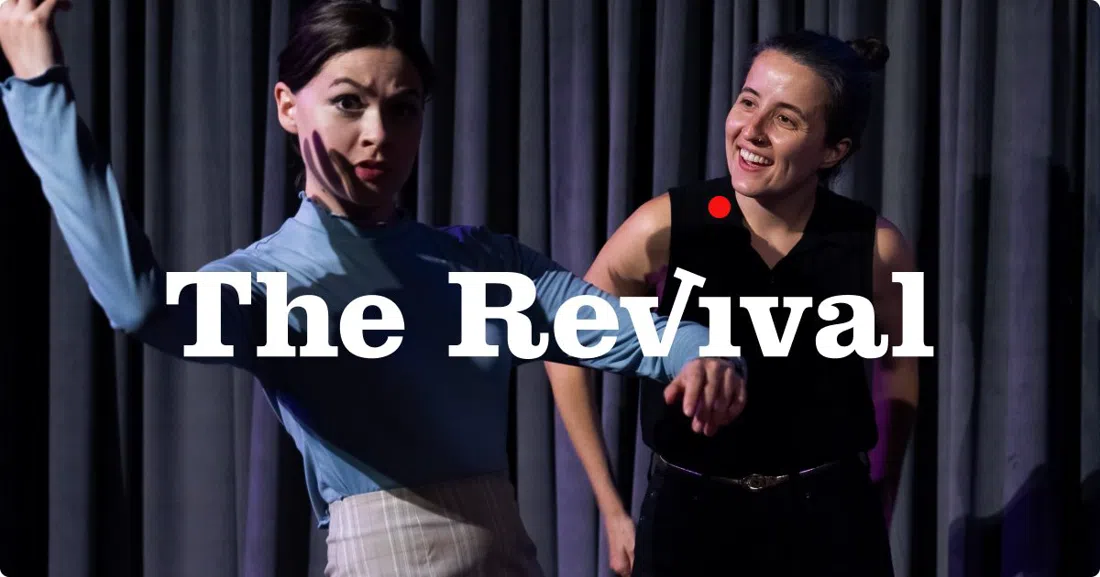
The Revival in the South Loop was founded in 2015 to bring improv back to the South Side and relocated from Hyde Park in 2024. It remains the one major comedy room south of the Loop and a deliberate counterweight to the North Side monopoly. Cabaret table seating suits a group well, it offers private hire and corporate workshops, and tickets run about $15 to $30.
The Hideout in West Town is not a comedy club at all, and that is the point: a wooden house in an industrial pocket that looks as though it was dropped there by accident, whose back room has hosted the city's most adventurous comedy and live-podcast nights for decades. Bills run roughly $10 to $25. Two constraints to plan around: the back room is tiny, so buy in advance, and it closes at midnight and is shut on Sundays. Treat it as the first act of the night rather than the last.
Doors, groups and the parts nobody warns you about
The division is cleaner than it looks. Table-seated clubs (Zanies, Laugh Factory, The Comedy Bar, The Revival) handle groups well and charge you for the privilege through drink minimums and service charges. Storefronts and donation rooms are cheaper, warmer and reserve nothing, so a group of six is a logistical problem you solve by arriving forty minutes early. Couples have the easier night everywhere.
The Comedy Bar in River North is worth knowing as the exception that suits almost everyone: very group-friendly, no drink minimum, doors from 6pm seven nights a week, open until 1am on Saturdays, and a rooftop patio that absorbs overflow when the room fills. Tickets are about $20 to $35 with food and cocktails extra. Late Nite Mic on Mondays and Crowd Work Wednesdays are where local comics test material on an out-of-town crowd, which is half the entertainment.
Age limits are real and inconsistently guessed at by visitors. Zanies is 21+ and now checks photo ID at the seat. Laugh Factory is 18+ across all shows. The upstairs room at Beat Kitchen is 21+. The Neo-Futurists will admit a thoughtful thirteen-year-old. Accessibility is the other thing to check: several storefronts are old buildings, and the Beat Kitchen comedy room has no lift at all, so ask before you commit a group.
Practical notes for the night
Transport is the reason this circuit is possible. The Blue Line, which serves the Milwaukee Avenue rooms, and the Red Line, which covers Old Town, Lakeview and the far north, both run 24 hours. The other colours thin out badly after midnight, and buses along the same corridors run all night but slowly. Budget for one rideshare at the end of the evening regardless: the walk from a storefront to the platform at 1:30am is fine, but it is longer than the map suggests.
Carry some cash. Cards work at every club, but donation-based rooms, BYOB nights and tipping the person working the door all go more smoothly with notes, and $20 to $40 in hand covers it. For costs overall, a storefront night (a $15 show, a couple of drinks, a free mic afterwards) lands around $40 a head. A club night with table seating, a two-drink minimum and a service charge realistically runs $60 to $80. A determined cheapskate can see three hours of good comedy for a donation and a beer.
On timing, the useful shape of an evening is a 7 or 8pm theatre show, a 10 or 10:30pm late slot, and a mic or a bar after that. Wednesdays and Fridays are the strongest nights across the whole circuit; Tuesdays belong to the alt-comedy room in Roscoe Village; Sundays are the quietest, and several rooms are dark. Book the 10:30pm shows in advance and leave the after-midnight portion loose. For where to sleep within a train ride of both spines, start with a Chicago hotel search, and for what to do with the daylight hours that survive this schedule, the wider Chicago guide covers the rest of the city.