
Chicago sits flat on a plain at the bottom corner of a very large lake, on a river that nineteenth-century engineers reversed rather than clean, and the whole place still reads as a piece of engineering: a relentless grid, a hard lakefront edge, and a downtown that stands up out of it all at once. October is the month that makes this legible. The summer haze clears, the light comes in low off the water, the trees along the river turn while you are floating underneath them, and the city's two biggest free events land two weekends apart.
Reading October before you book
October weather here has the widest spread of any month. A first week can hand you 24°C (mid-70s°F) and shirtsleeves on the lakefront; the third week can hand you 7°C (mid-40s°F) with a northeast wind coming straight down the lake and into the canyon streets of the Loop. Both are normal. Neither is predictable more than about four days out, so do not build an itinerary that depends on one of them.
What you can plan is structure. Pack layers and a shell that blocks wind rather than a heavy coat, because the temperature reading is rarely the problem and the wind off the water usually is. Then build each day as a half-day outdoors and a half-day with a roof, and keep the roofed half interchangeable. Mid-October sunset falls around 6pm and the light goes fast, which shortens an afternoon more than people expect. Anything you want to see in daylight needs to happen before about five.
The Sunday the streets close
The Bank of America Chicago Marathon runs on Sunday 11 October 2026, and it dictates that entire weekend whether you care about running or not. The course loops out from Grant Park through some 29 neighbourhoods and back, which means the Loop street grid closes to traffic through early afternoon and downtown hotel rates rise for the nights either side. Running it is not a decision you can make on arrival; entry is secured months ahead.
Spectating, by contrast, is free, unticketed and one of the better ways to meet the city. There is no limit on group size and no wristband; you simply stand on a kerb. The neighbourhood stretches are more fun than the finish, and Pilsen and Chinatown put on the loudest support of the day. Three hours on a course kerb will show you more of how Chicago is actually assembled than a day of monuments.
If the race does not interest you, the move is straightforward. Either build the weekend around it deliberately, or book north or west of downtown and come into the centre after noon, by which point most of the grid has reopened. What does not work is planning a tight downtown schedule for that Sunday morning and expecting a taxi to keep it.
The free weekend worth rearranging things for
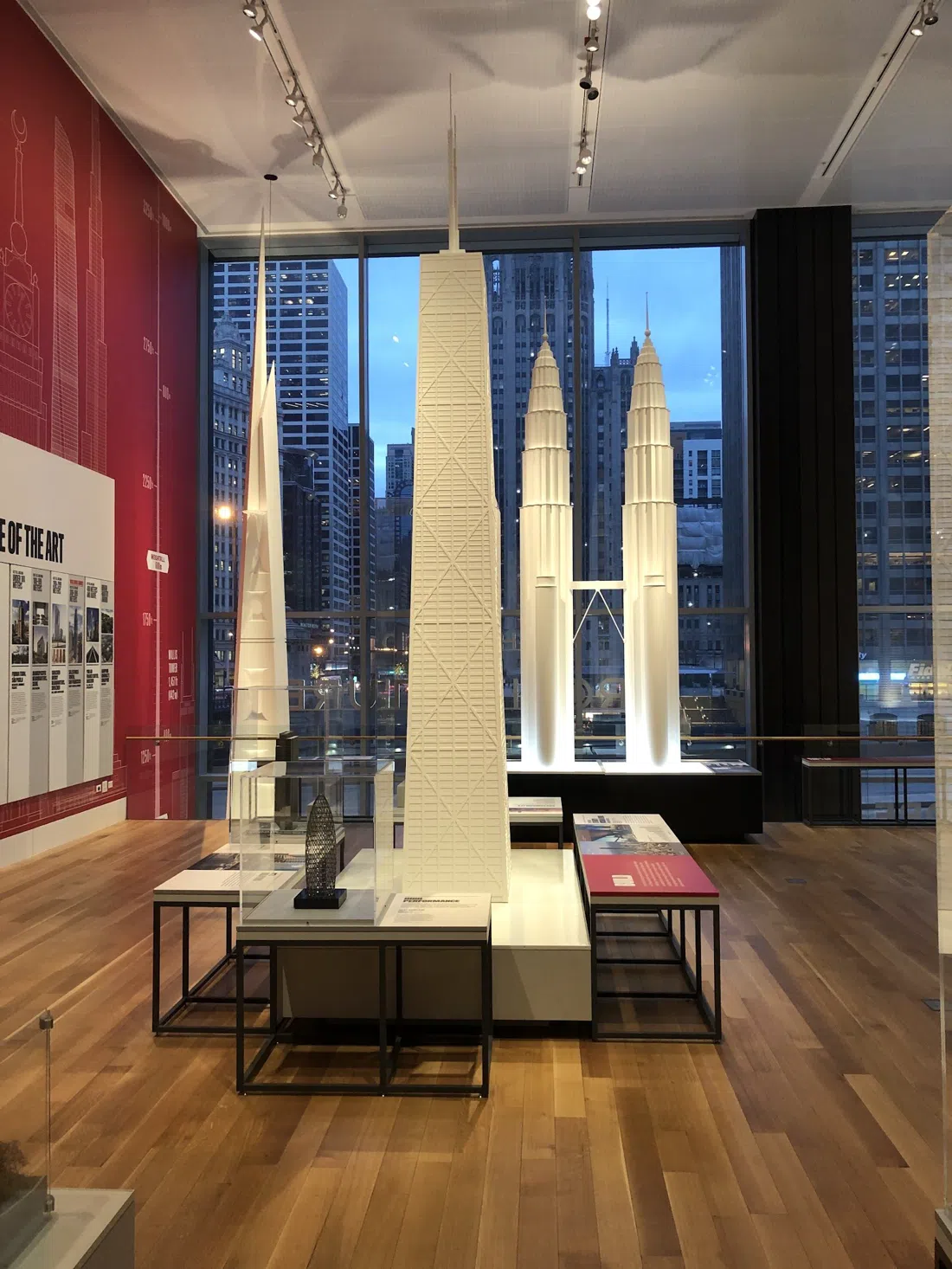
Open House Chicago takes the following weekend, 17 and 18 October 2026, and it is the cheapest weekend of the year to get inside Chicago rather than photograph it from outside. In its 16th year it opens more than 200 buildings across 30 neighbourhoods (lobbies, theatres, private clubs, working towers, churches, mansions) with 20 new sites in 2026, including the Griffin Museum of Science and Industry. There is no registration and no ticket, so a group of any size can simply walk in.
The constraint is queueing rather than access. The marquee downtown sites back up badly from about 11am, so start at nine, take the least famous thing on your shortlist first, and spread out rather than working through a single cluster. Pick one neighbourhood and do it properly instead of chasing six across the city; the L will eat your day otherwise. If you have any flexibility in your dates at all, this is the weekend to aim at.
Ninety minutes on the river first
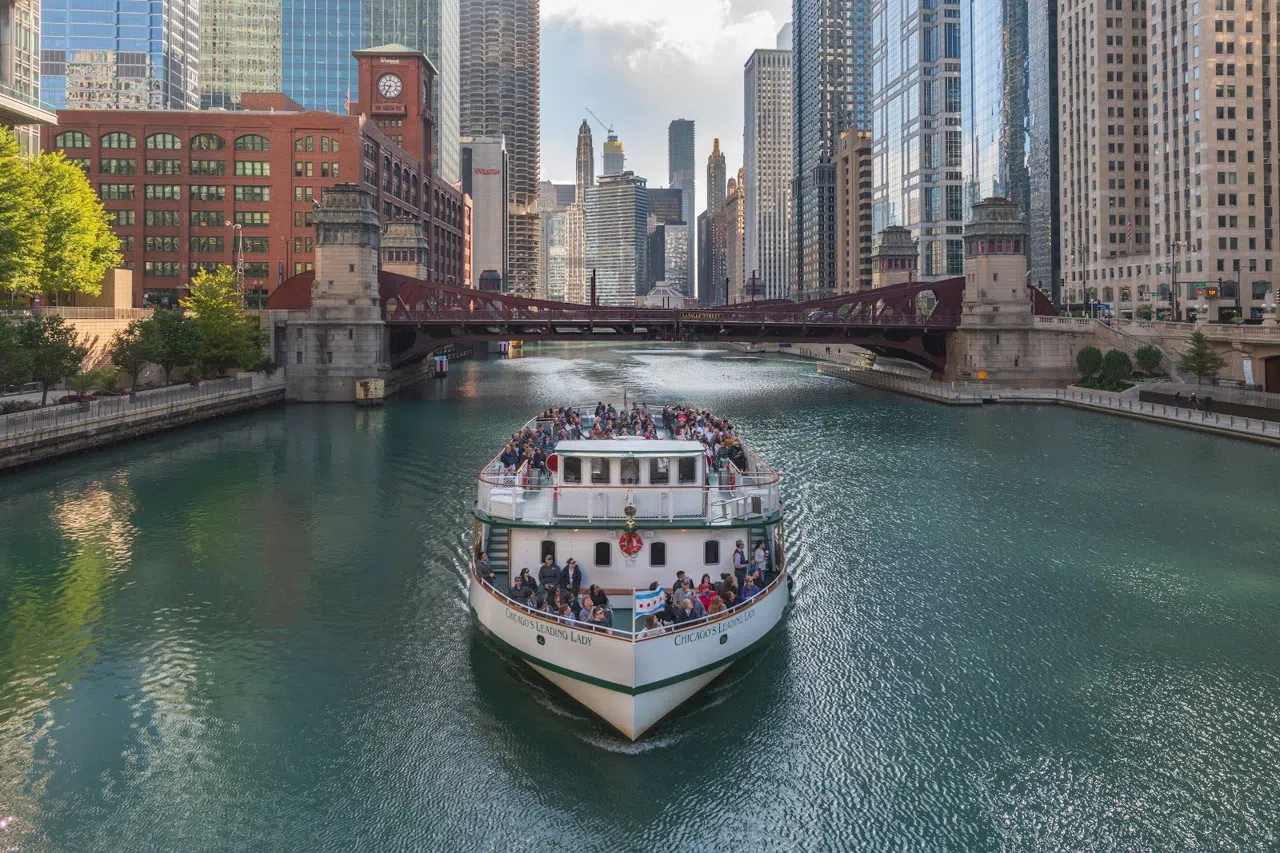
On a first trip, take the Chicago Architecture Center River Cruise aboard First Lady (docks at the Michigan Avenue bridge, Loop) on day one, before you have formed opinions. It is the single best orientation the city offers, because the river cuts through the middle of the downtown and the buildings were designed to be read from it. Ninety minutes, from about $57 per person, with a docent who knows why each tower is shaped the way it is rather than just its name.
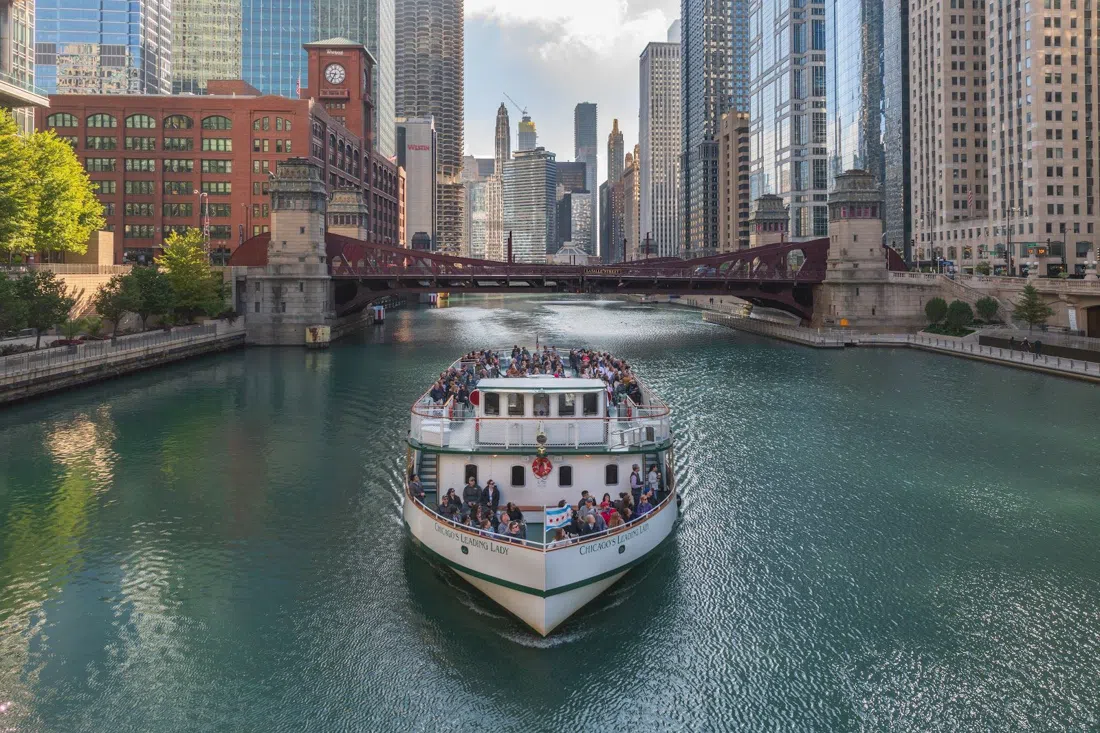
October is its best month. The 2026 season runs to 22 November, the cabin is heated and glassed so a cold snap costs you nothing, and the riverbank trees along the North Branch turn while the boat is in among them. Buy timed tickets ahead, because sunset departures go first, and arrive thirty minutes before your slot, because the dock queue is real. Parties of 20 or more have a dedicated group desk, and private charters exist; everyone else books individually.
A Loop half-day on foot
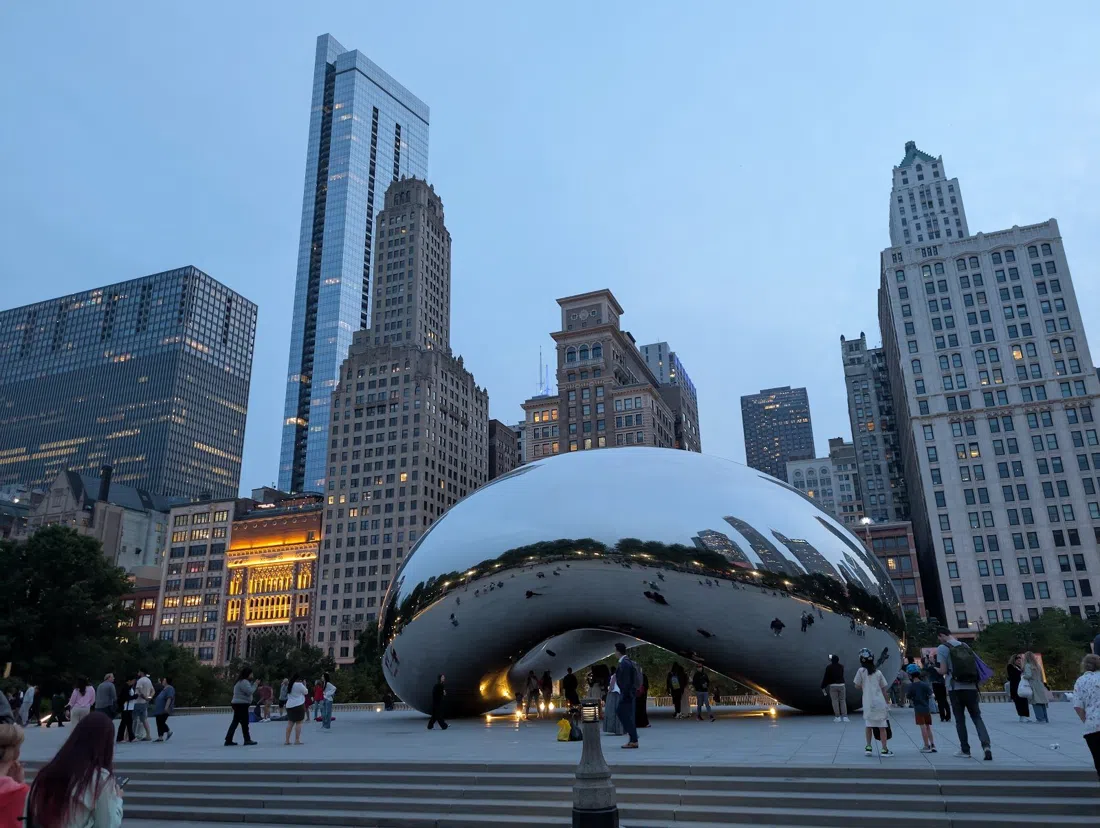
The Loop is compact enough to do properly in half a day, and four things sit within a few blocks of each other. Start at Millennium Park (Loop, at Michigan and Randolph), free and open daily from roughly 6am to 11pm, with no door policy and no group limit. Cloud Gate is back in full public access after its long refurbishment enclosure; go before 9am to get the mirror without a crowd in it, or come back after dark for the city lights. With sunset around 6pm, that is an early-evening stop rather than a late one.
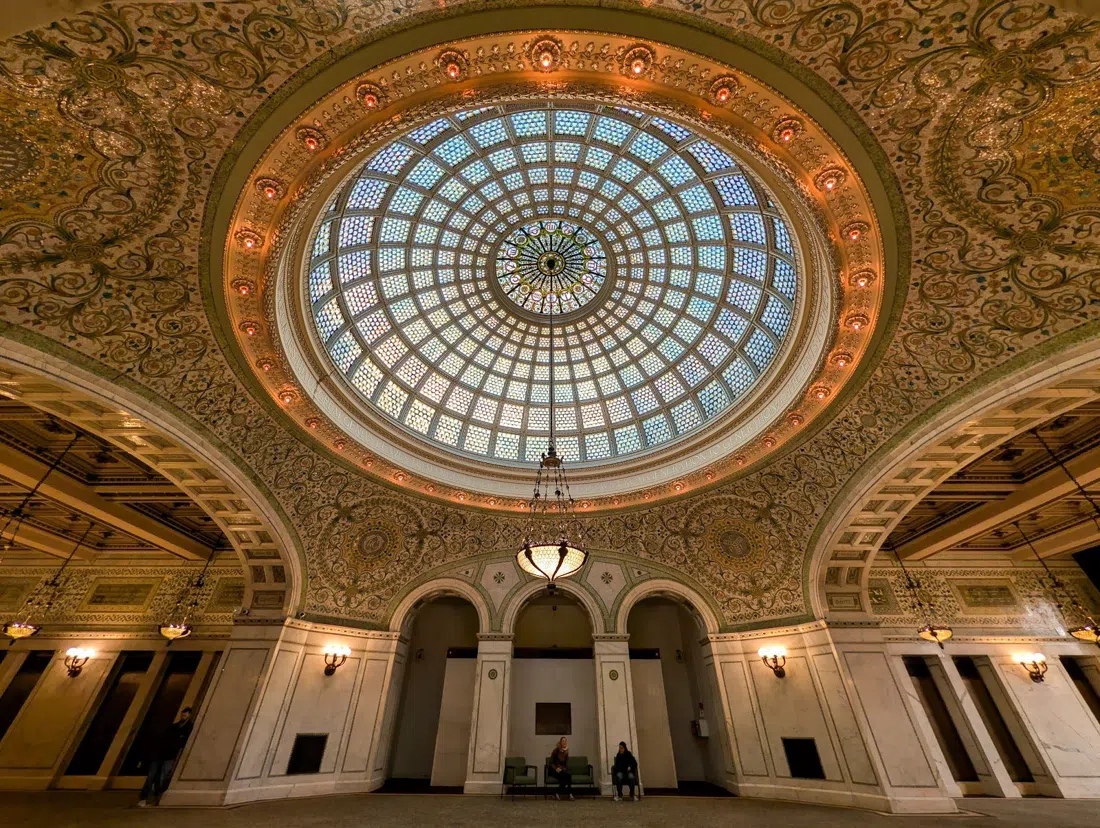
One block west, the Chicago Cultural Center (Loop, 78 E Washington St) is free every day, walk-in, 10am to 5pm, with exhibitions closing fifteen minutes before the building. It holds the largest Tiffany dome in the world, runs free concerts and changing exhibitions through the week, and is the strongest value in the city centre. It is also a warm, dry forty minutes exactly when the lake wind turns, which in October it will.
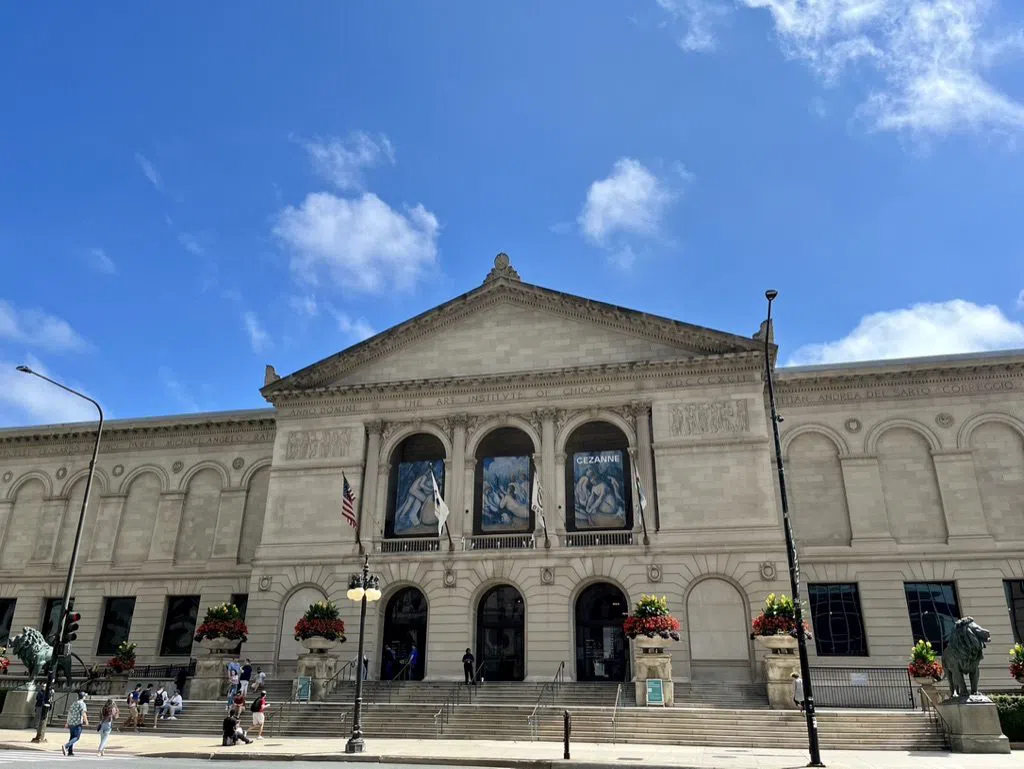
South across the street, the Art Institute of Chicago (Loop, Michigan Avenue) is the wet-afternoon insurance policy for any October itinerary and strong enough to be the reason you came. General admission is about $32 for non-resident adults, under-14s free; buy timed tickets online and split large parties between the Michigan Avenue and Modern Wing entrances. Thursday evenings run late to 8pm, which is the calmest time in the building. Note that the free-evening scheme is for Illinois residents only, so international visitors should budget the full fare.
Finish high. Skydeck Chicago at Willis Tower (West Loop, 233 S Wacker Dr) is open 365 days a year, and October's cold clear air after a front has passed through gives the sharpest long views of the year; on the right afternoon you are looking across open water and three states. Book a timed slot and buy online, which is cheaper than the door, and check the live visibility report before crossing town. Low cloud does not give you a view over the cloud, it puts you inside it.
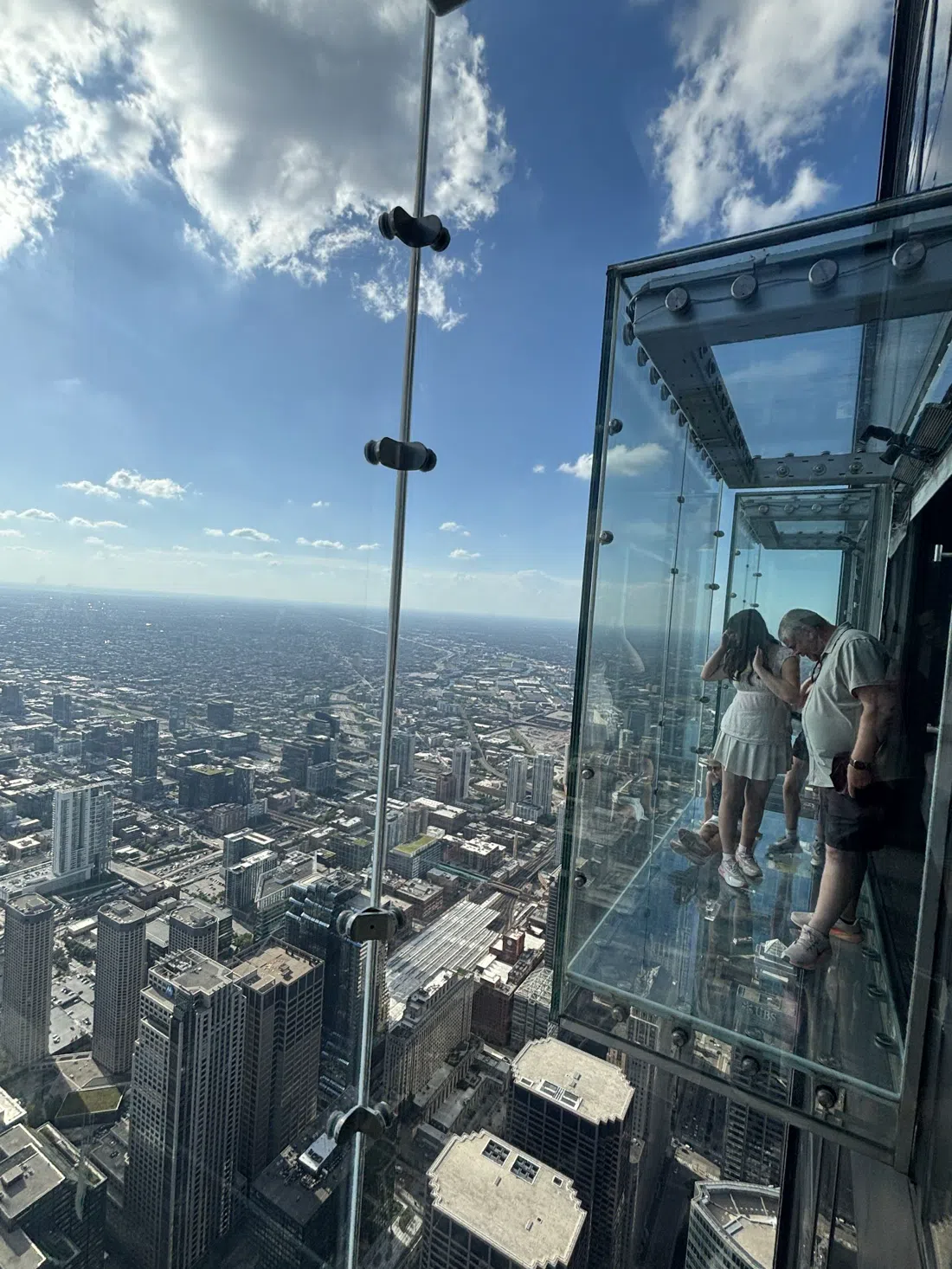
Museum Campus when the wind turns
When the forecast collapses, the Field Museum (Museum Campus, south of Grant Park) is the day that saves itself. It opens daily 9am to 5pm with last entry at 4pm, so plan to be through the doors before 2pm if you want the building rather than a lap of it. Tickets are tiered between basic and all-access adult admission; groups are handled by phone, and the halls absorb crowds well even on marathon weekend, when much of the rest of downtown cannot.
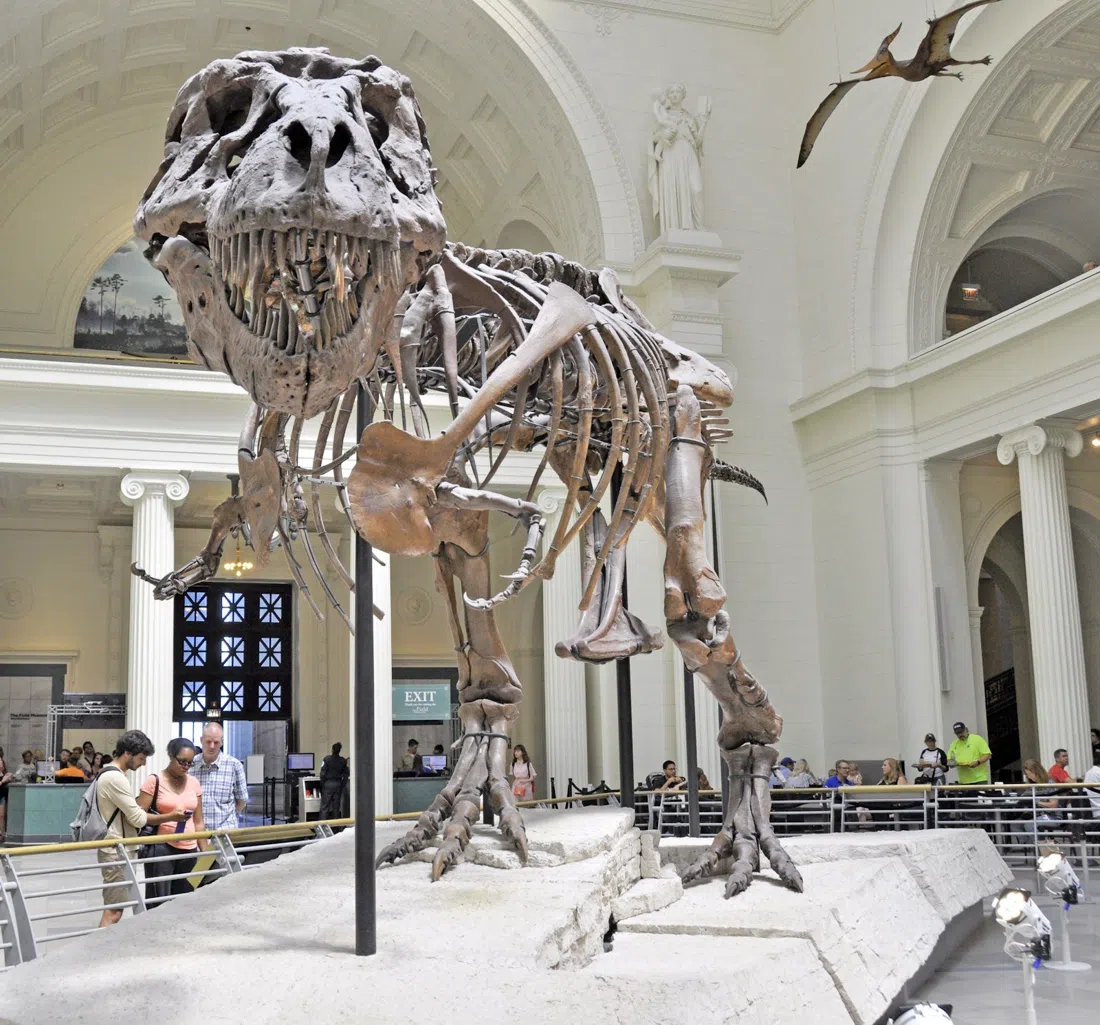
The geography is the point here. Shedd Aquarium and the planetarium sit on the same short peninsula walk, so a day of lake wind can be spent almost entirely under cover while still feeling like you went somewhere. It is also a straightforward walk or short bus ride from the Loop, which matters when the weather has removed any appetite for a long transfer.
Going south to Hyde Park
The Kenneth C. Griffin Museum of Science and Industry (Hyde Park, south lakefront) is worth the trip out of the centre, and worth knowing by its current name, because it was rebranded from the Museum of Science and Industry and a good deal of signage and older guidance still lags. The building is the last major survivor of the 1893 World's Columbian Exposition, which is part of why nothing else in the city operates at this scale.
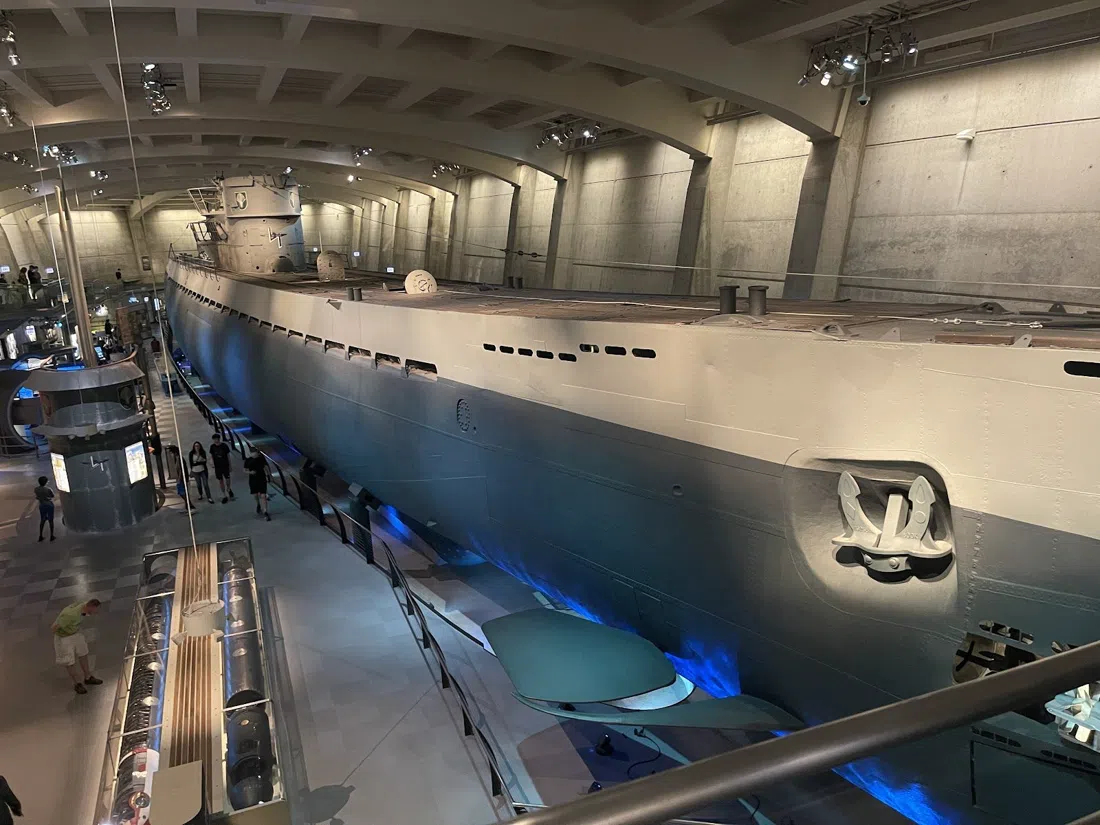
The U-505 is the draw: the only German submarine in the Americas, captured at sea in 1944 and now housed underground, with a walk-through tour sold separately from general admission. October hours are short, 9:30am to 4pm, and two Saturdays in the month close early, so check the day before rather than assuming. It takes groups and school parties comfortably. Give it a full half-day including the travel; treating it as an add-on to a Loop morning is how people end up with forty minutes and a grudge.
Pilsen in late October
The National Museum of Mexican Art (Pilsen, Harrison Park) holds the largest collection of its kind in the United States and is free every day, Tuesday to Sunday, 10am to 5pm, walk-in, groups welcome. In autumn it is the most striking thing on in Chicago. The Día de Muertos exhibition 'Where Memory Lives: 40 Years of Día de Muertos' opened on 25 September 2026 and runs through the season, with ofrendas built by artists on both sides of the border.
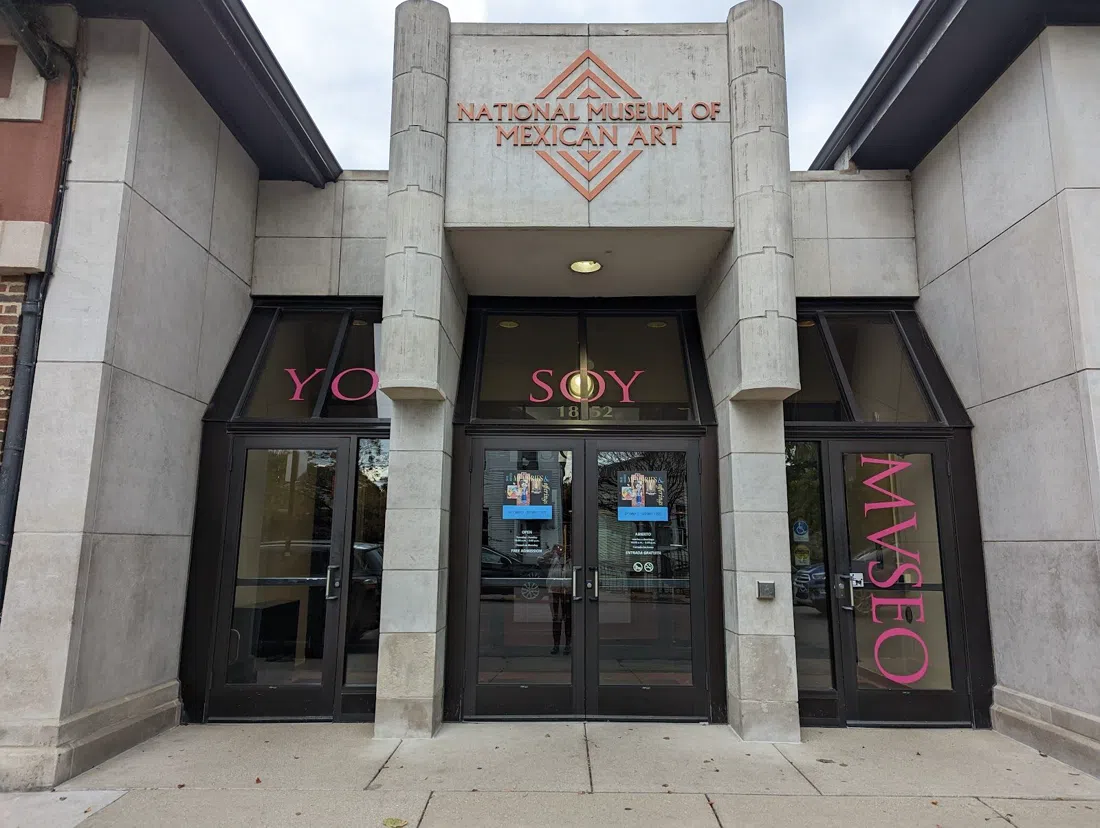
Go on a weekday if you can; the Día de Muertos galleries get genuinely busy at weekends. Then walk it off along 16th Street, where the mural corridor runs for blocks and is among the more serious pieces of public art in the country. Pilsen is a half-day in its own right, and reaching it by the Pink Line from the Loop takes about twenty minutes.
Two ways to be warm and outdoors
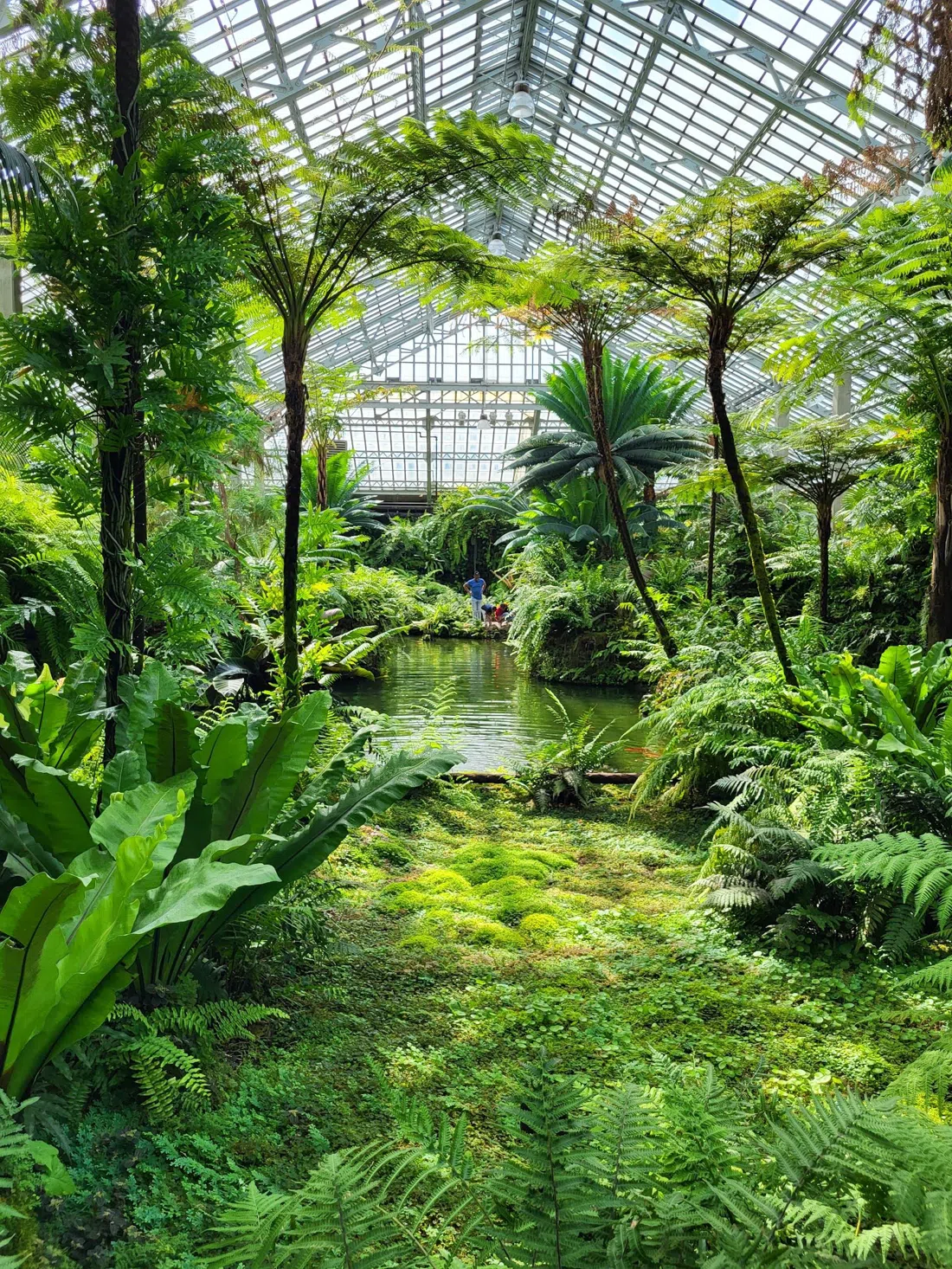
Garfield Park Conservatory (East Garfield Park, Green Line) is two acres under glass, laid out by Jens Jensen in 1908 to feel like a landscape rather than a greenhouse, and it is the best answer the city has to a cold grey afternoon. Entry is free for Chicago residents with a suggested donation and about $10 adult, $5 child for everyone else. Reserve a slot in advance rather than turning up cold; it guarantees entry on a busy day. The Fern Room is the one space that is not wheelchair-accessible.
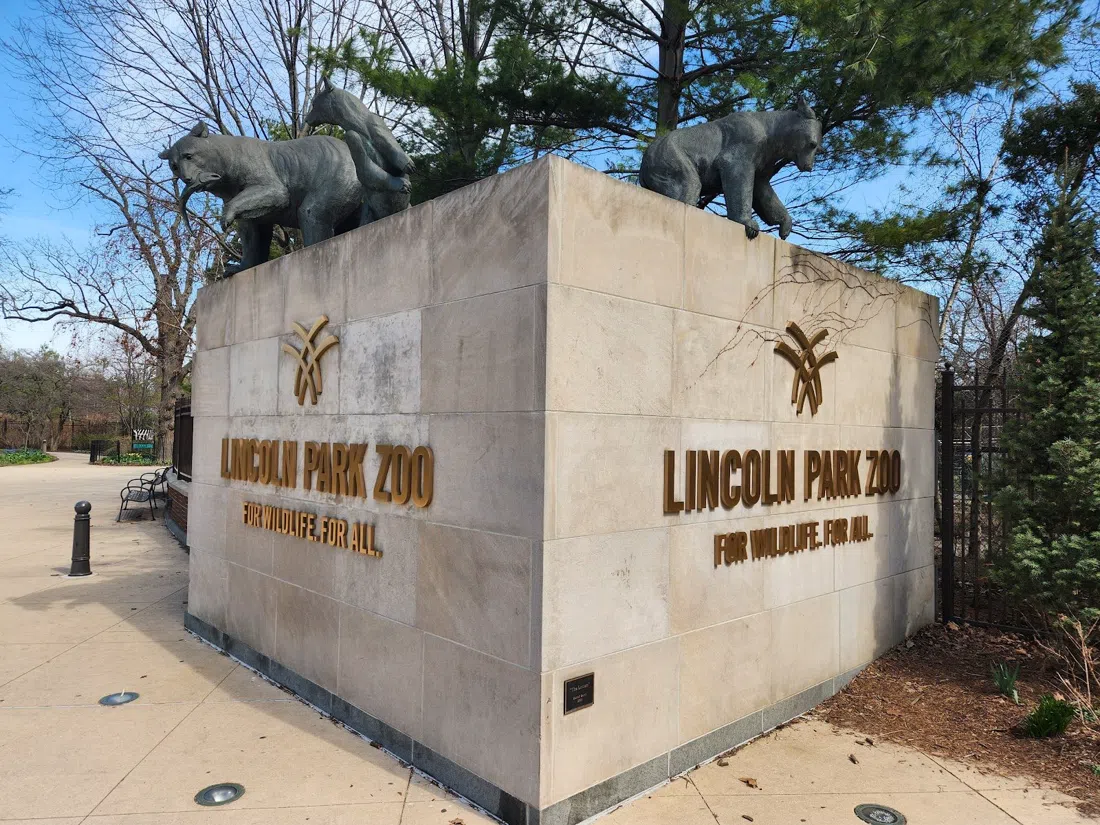
Lincoln Park Zoo (Lincoln Park, north lakefront) is free to enter with no ticket for any group size, which makes it one of very few free major-city zoos anywhere. Fall Fest runs Fridays to Sundays from late September to 1 November with pumpkin carvers, s'mores and live music; the rides and slide are ticketed individually, the rest is not. As an afternoon it is efficient: the zoo, the conservatory next door and the skyline view across the pond in one loop, with the lakefront path a few minutes east.
Nights out and the deep-dish argument
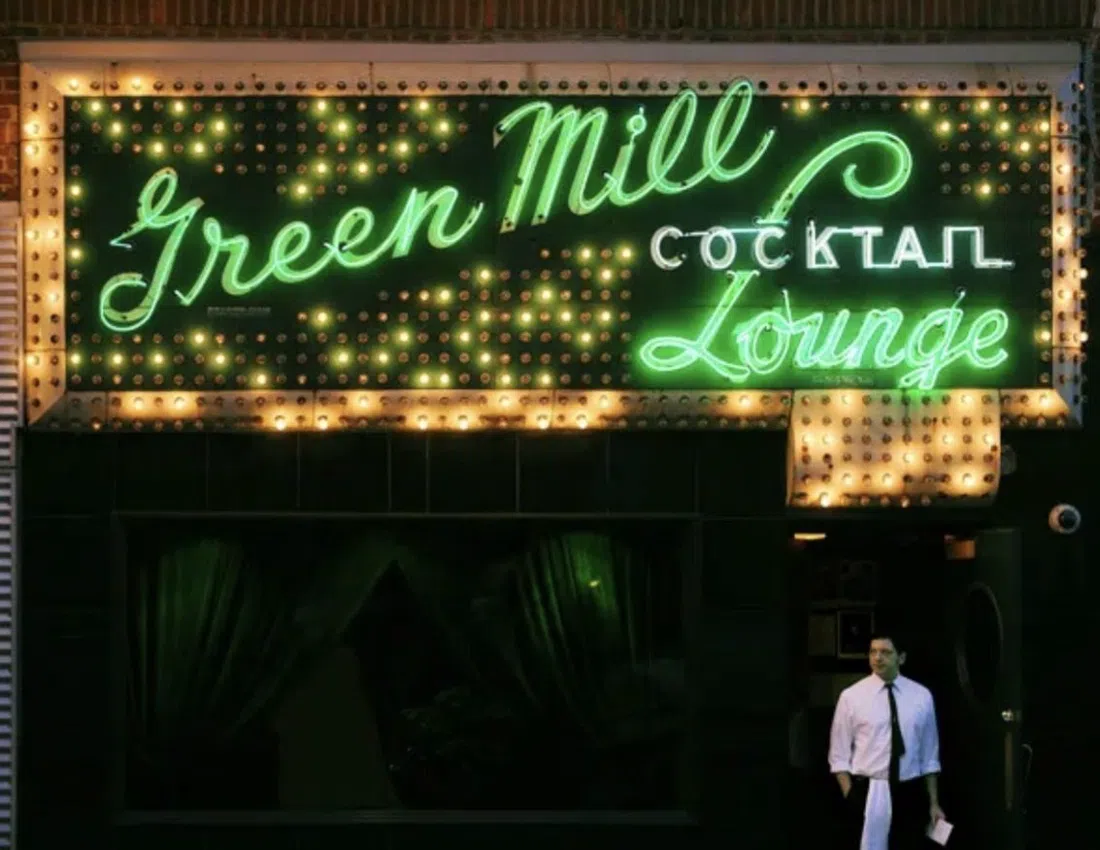
Green Mill Cocktail Lounge (Uptown, N Broadway) has live jazz seven nights a week in a Prohibition-era room that has not been tidied up for anyone. Capone's crew drank here and the booth still gets pointed out. It is walk-in only, takes no reservations and offers nothing resembling table service for a large party, so come as two or four, arrive well before the set, and bring cash for the door. Cover runs roughly $10 to $15 plus drinks, sets start around 8pm, the Friday and Saturday jam sessions run past 1am, and selected Sunday afternoons belong to the Uptown Poetry Slam.
The Second City (Old Town, N Wells St) is the opposite case and the better one for a group, with a dedicated events team for parties of 16 or more. The Mainstage revue plus improv in the e.t.c. theatre and UP Comedy Club run most nights, there is a two-item minimum in the cabaret rooms, and buying at the box office avoids the per-ticket booking fee. Late shows are the cheapest seats in the building and reliably the loosest. It is indoors, it is the training ground the city is known for, and it rescues an evening the weather has ruined.
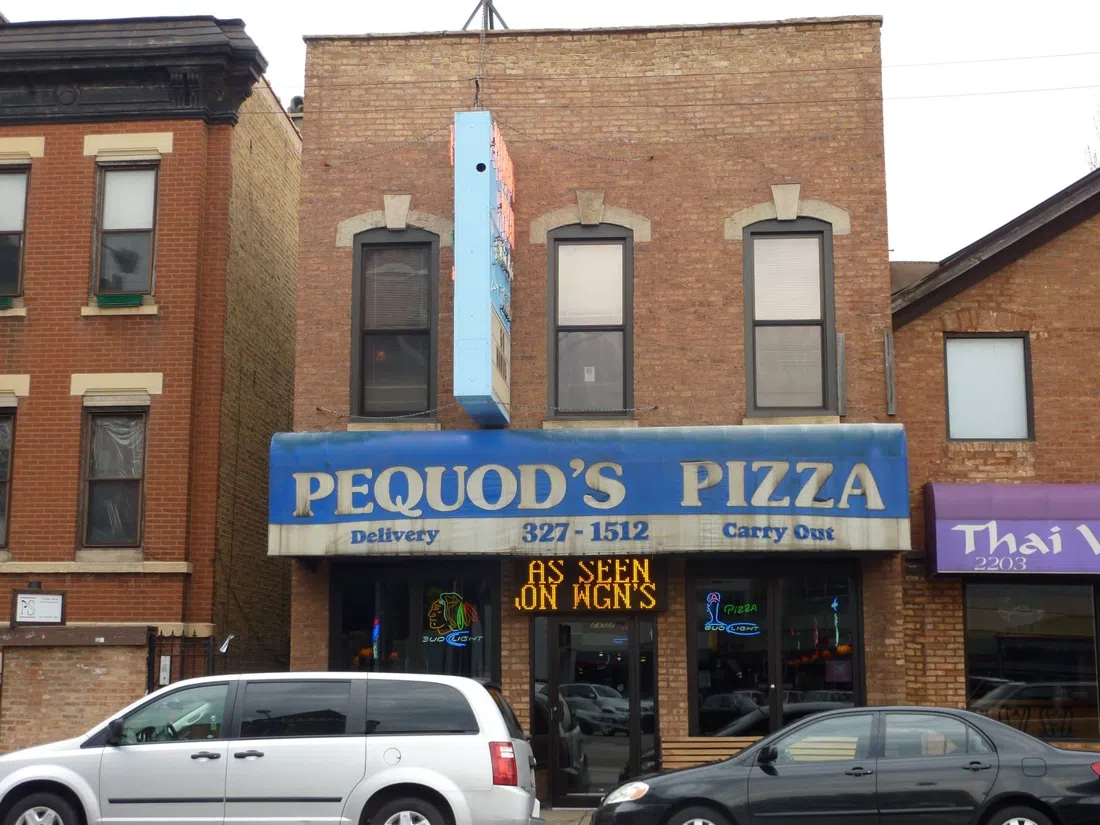
For the deep-dish argument, Pequod's Pizza (Lincoln Park, N Clybourn Ave) is the one worth having. Forty-plus years in, the caramelised cheese crust round the edge of the pan is the entire point and no chain reproduces it. Understand what you are walking into: a loud sports bar that serves pizza rather than a restaurant. Book through its own system, which is the only sane way to bring more than four, since walk-in waits run to hours at weekends. A large pan feeds three or four, prices are moderate, and 4pm on a weekday is the civilised move.
Where to sleep in a marathon month
Downtown puts you inside the cruise, the park, the museums and the Loop walk, and on most October nights that is the right trade. The exception is the marathon weekend of 10 and 11 October 2026, when central rates climb and the streets around your hotel close. Lincoln Park, Old Town or Wicker Park keep you on the Red or Blue Line, cost less, and put you nearer the Green Mill and Pequod's end of the evening. Compare both when you run a Chicago hotel search, and check our wider Chicago guide for how the districts actually connect.
Practical notes
Transport is the easy part. The L covers everything above: Green Line for the conservatory, Pink for Pilsen, Red for Uptown and Lincoln Park, and the Blue Line runs from the airport to the Loop in well under an hour for a few dollars. Tap a contactless card or phone straight at the turnstile; a Ventra card only helps if you are riding heavily. Rides are cheap, frequent and by far the fastest way across a city whose traffic does not reward optimism.
Cards are accepted everywhere you will eat and everywhere you will buy a ticket, with one exception: carry cash for the Green Mill door. Tipping runs to about 20% in bars and restaurants and is not optional in practice. Budget roughly $57 for the river cruise, $32 for the Art Institute, around $10 for the conservatory and $10 to $15 plus drinks for a night of jazz; Millennium Park, the Cultural Center, the Mexican art museum, the zoo and the whole of Open House Chicago cost nothing.
On timing, front-load the outdoor things. Book the cruise and any Skydeck slot for the first clear day rather than a fixed day of your trip, keep the Art Institute and the Field Museum as movable pieces, and check daily forecasts from four days out. The city rewards a plan with two orders, not one.