
Chicago
Chicago rises abruptly from the flat Midwestern plains, a colossal monument of steel, stone, and glass framing the deep blue of Lake Michigan.
Guests & rooms
The Chicago guide
An insider’s read on Chicago
CChicago rises abruptly from the flat Midwestern plains, a colossal monument of steel, stone, and glass framing the deep blue of Lake Michigan.
Chicago's identity is forged in fire and industry. The Great Chicago Fire of 1871 leveled the city, but also cleared the canvas for the world's first skyscrapers, attracting legendary architects like Louis Sullivan and Frank Lloyd Wright. As a vital rail hub and the home of the Union Stock Yards, it became an industrial powerhouse, drawing waves of European immigrants and Black Americans during the Great Migration. This complex history of labor, migration, and political machinery created a city of fierce neighborhood pride, deep-seated segregation, and a resilient, creative spirit that birthed house music, modern improv comedy, and Chicago-style blues.

PLATE IChicago, United States

Guides & ideas
The Chicago reading list
Hand-written guides from our editors — itineraries, the best of after dark, where to eat, and what’s genuinely worth your time.
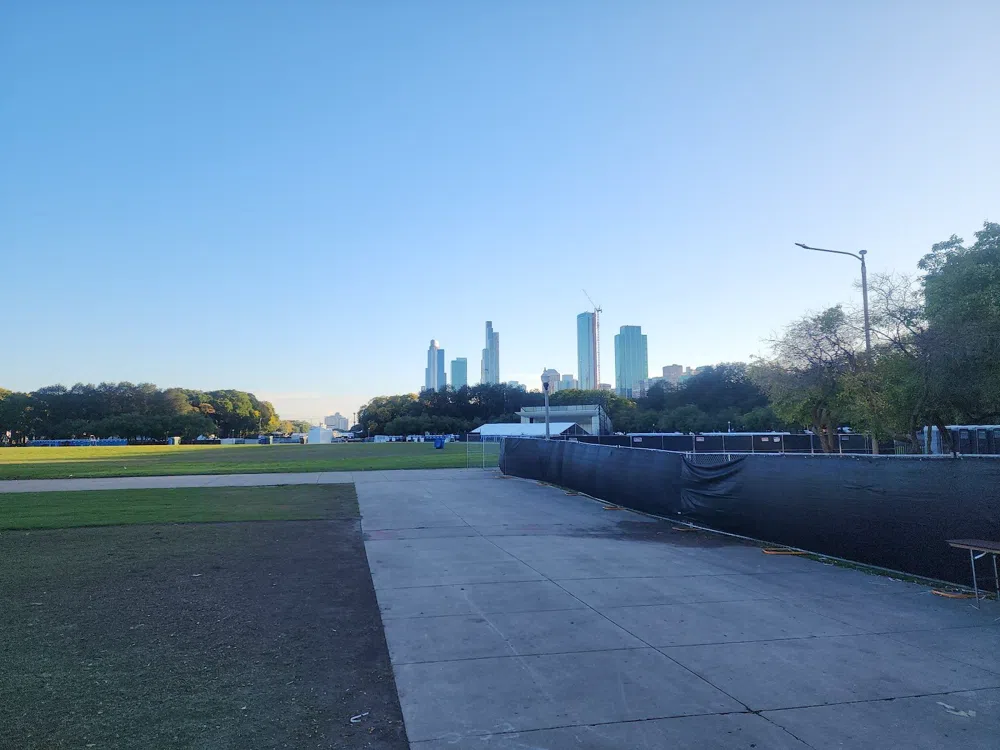
Planning a Chicago Marathon Weekend Without Wasting Your Legs
A four-day plan for the 11 October 2026 race: where to sleep for the shortest walk to the corrals, when to face the expo, what to eat, and how to see the city without spending a single mile on it.
Chicago's Basement Comedy Rooms After Midnight
A night-owl's route through the storefront theatres, dive-bar mics and after-hours club slots where Chicago's comics actually work, with prices, door rules and closing times.
Chicago's Decade of Rebuilding After the Great Fire
From a bronze pillar on a fire academy lawn to the glass prototype of the modern skyscraper, this is the ten-year rebuild that made Chicago the city it is.
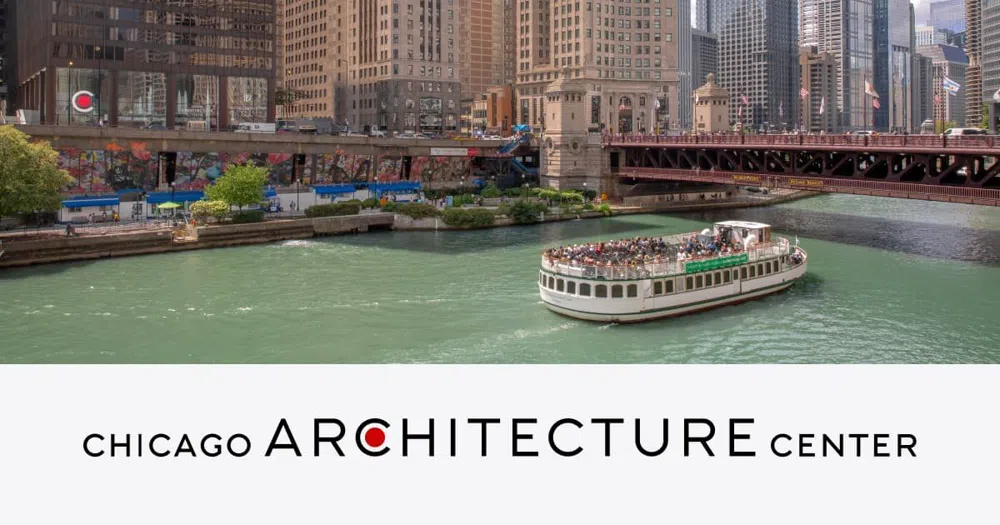
How Chicago Turned Its Ashes Into a Steel Skyline
A walking itinerary through the landmarks, lobbies and hotels that prove Chicago rebuilt itself in fireproof stone and steel after October 1871, and never really stopped.
Chicago Is Where Modern Improv Was Born, and Still Lives
Second City taught the world how to improvise; six decades later, Chicago is still the city where you can watch it happen live, or learn to do it yourself.
The Pizza War Nobody Wins: Chicago's Deep-Dish vs Tavern-Style Divide
Deep-dish gets the postcards, tavern-style gets the weeknight loyalty — a route through both camps of Chicago's oldest food argument, no side-picking required.
Where to base yourself
The neighborhoods
01
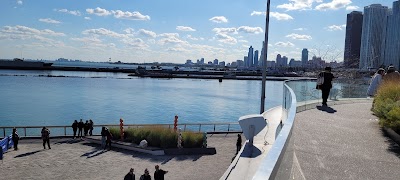
The Loop
For First-time visitors who want to be steps from major cultural institutions. The trade-off is that the area becomes quiet and lacks local character after office hours.
The historic business district, defined by towering skyscrapers, canyon-like streets, and the elevated train tracks that encircle it.
Where to stay — Grand historic hotels and high-end business properties.
02
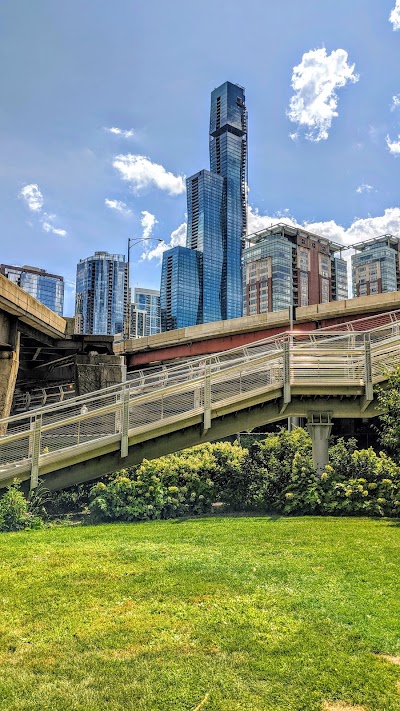
River North
For Diners and nightlife seekers who want to be in the center of the action. The trade-off is high prices, heavy traffic, and a commercialized atmosphere.
A sleek, high-density neighborhood packed with art galleries, upscale restaurants, and high-rise residential towers.
Where to stay — Trendy boutique hotels and luxury high-rises.
03
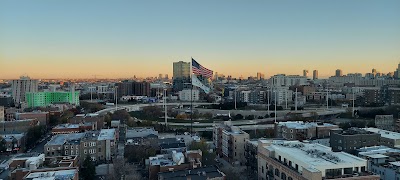
West Loop & Fulton Market
For Serious food lovers and design enthusiasts. The trade-off is a lack of green space and a rapidly gentrifying, expensive environment.
A former meatpacking and industrial district transformed into the city's premier culinary and design hub.
Where to stay — Industrial-chic boutique hotels.
04
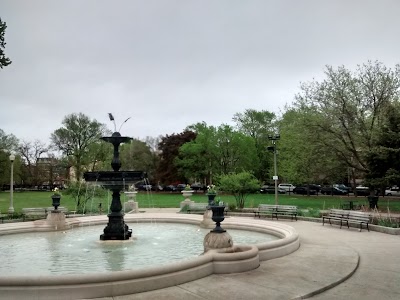
Wicker Park & Bucktown
For Creatives, shoppers, and fans of indie music. The trade-off is that parking is nearly impossible and some areas feel overly commercialized.
An artistic, bohemian enclave known for vintage clothing stores, indie coffee shops, and historic stone-front homes.
Where to stay — Neighborhood guesthouses and boutique properties.
05
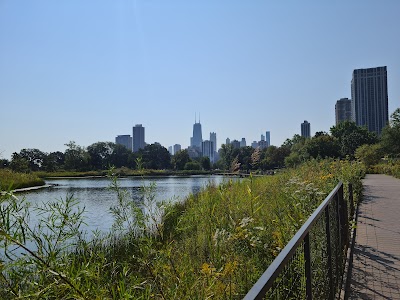
Lincoln Park
For Families and those seeking a quieter, scenic stay. The trade-off is that it is far from the Blue Line train, requiring bus or Red Line transit.
An affluent, historic neighborhood with quiet, tree-lined streets, Victorian row houses, and immediate lakefront access.
Where to stay — Quiet bed-and-breakfasts and residential boutique hotels.
06
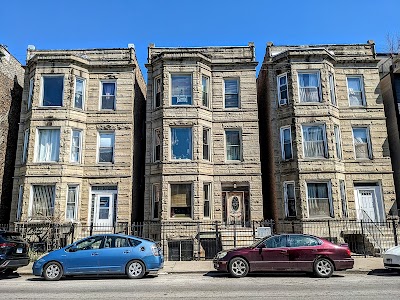
Logan Square
For Budget-conscious travelers, cocktail enthusiasts, and coffee purists. The trade-off is a longer commute to downtown attractions.
A progressive neighborhood defined by historic parkways, stately graystone homes, craft cocktail bars, and indie venues.
Where to stay — Local apartment rentals and small guesthouses.
07
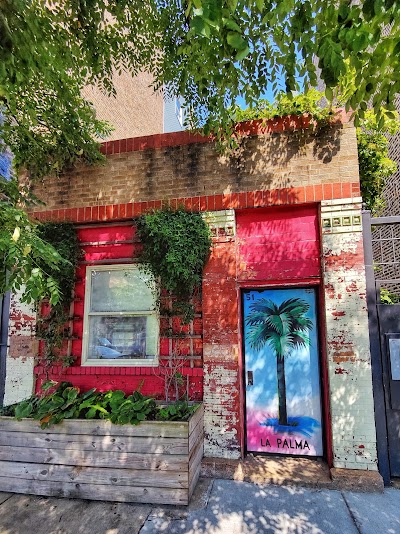
Pilsen
For Art lovers and fans of authentic Mexican cuisine. The trade-off is a lack of traditional hotel options.
The vibrant heart of Chicago's Mexican-American community, rich with colorful street murals, independent galleries, and traditional bakeries.
Where to stay — Local homestays and apartment rentals.
08
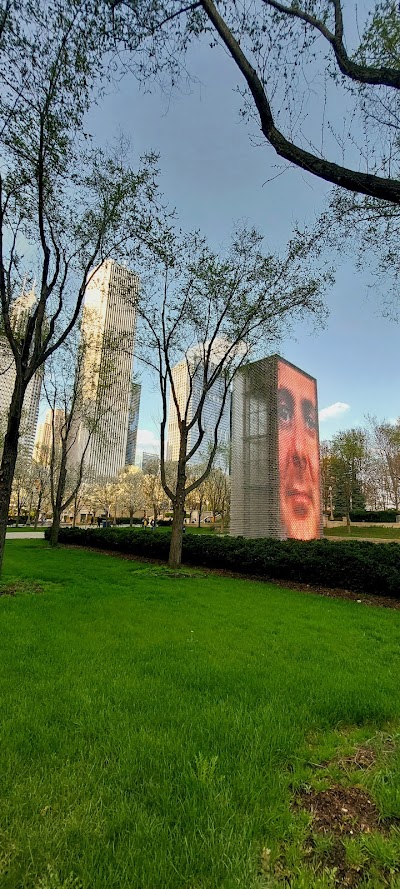
Hyde Park
For History buffs, book lovers, and architecture admirers. The trade-off is that it is far south, requiring a Metra train or bus to reach the North Side.
An intellectual, historic neighborhood dominated by the Gothic campus of the University of Chicago and leafy residential streets.
Where to stay — Academic-focused boutique hotels.
09
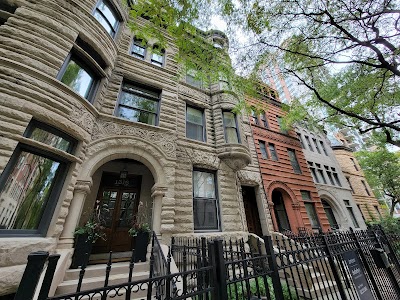
Gold Coast
For Luxury travelers and architecture enthusiasts. The trade-off is a formal, less diverse neighborhood vibe.
An ultra-wealthy historic district featuring Gilded Age mansions, quiet tree-shaded streets, and high-end designer boutiques.
Where to stay — Historic luxury hotels.
Book direct
Book a hotel in Chicago
Loading live availability and real-time prices…
Where to eat
Dining
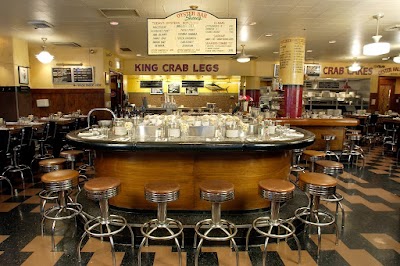
Shaw's Crab House
€€€River North
A classic 1930s-style oyster bar with a lively atmosphere and retro charm.
Signature — Alaskan king crab legs and freshly shucked oysters
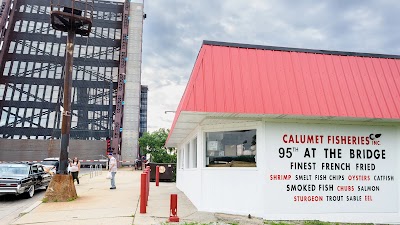
Calumet Fisheries
€South Side
A historic, no-nonsense roadside smokehouse operating since 1948 on the Calumet River.
Signature — House-smoked garlic trout and smoked salmon
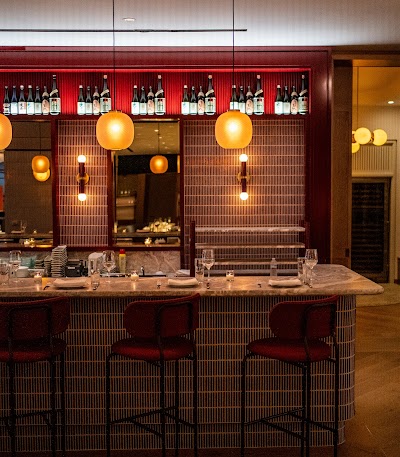
Lure Fishbar
€€€River North
A sophisticated, yacht-inspired basement venue offering premium raw bar options and sushi.
Signature — Spicy tuna crispy rice and lobster rolls
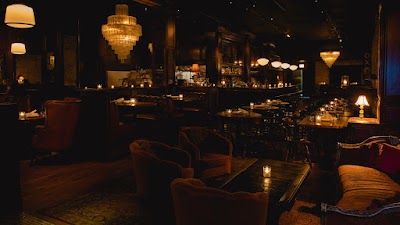
Bavette's Bar & Boeuf
€€€€River North
A dimly lit, French-accented parlor that rejects the corporate steakhouse aesthetic in favor of romance and jazz.
Signature — Dry-aged bone-in ribeye with spiced bone marrow
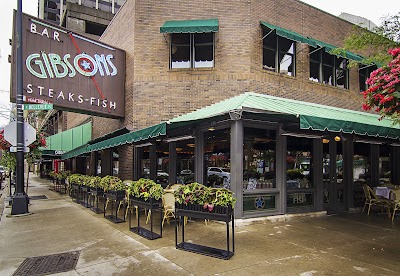
Gibson's Bar & Steakhouse
€€€€Gold Coast
The quintessential Chicago power-dining spot, famous for its prime beef and celebrity sightings.
Signature — The W.R.'s Chicago Cut ribeye
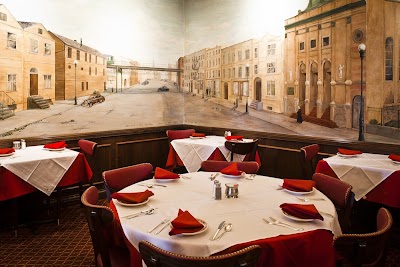
Gene & Georgetti
€€€River North
Chicago's oldest steakhouse, serving unpretentious cuts in a clubby, wood-paneled room since 1941.
Signature — T-bone steak served with cottage fries
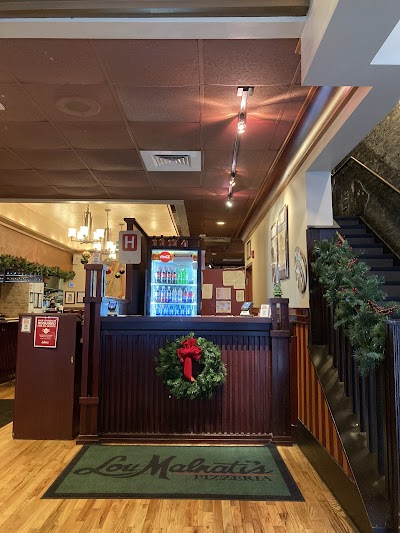
Lou Malnati's Pizzeria
€€River North
The gold standard for authentic deep-dish pizza, featuring a distinct, crispy crust.
Signature — The Malnati Chicago Classic deep-dish with sausage
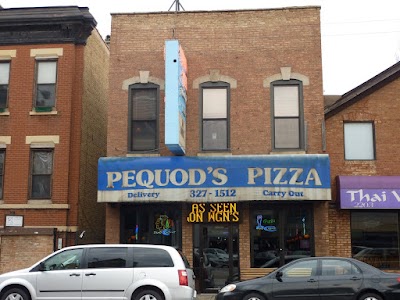
Pequod's Pizza
€€Lincoln Park
Famous for its pan-style pizza featuring a caramelized, burnt-cheese crust.
Signature — Deep-dish pan pizza with sausage and onions
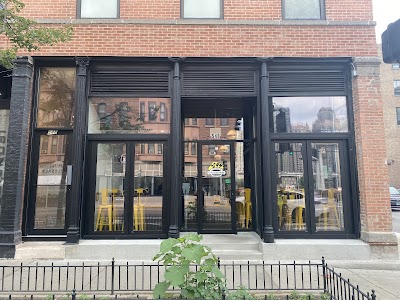
Al's #1 Italian Beef
€Little Italy
The birthplace of the wet, spiced beef sandwich, serving locals since 1938.
Signature — Italian beef sandwich, 'dipped' with hot giardiniera
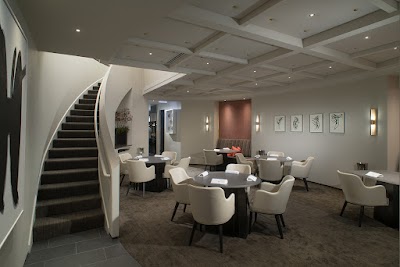
Alinea
€€€€Lincoln Park
A world-renowned temple of modernist gastronomy offering a highly theatrical multi-course tasting menu.
Signature — The edible helium balloon made from green apple
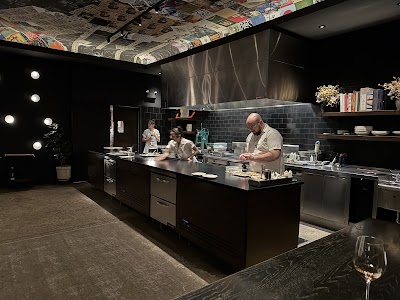
Oriole
€€€€West Loop
A hidden alleyway entrance leads to an intimate, flawless tasting menu focused on global flavors.
Signature — Capellini with black truffle and rye
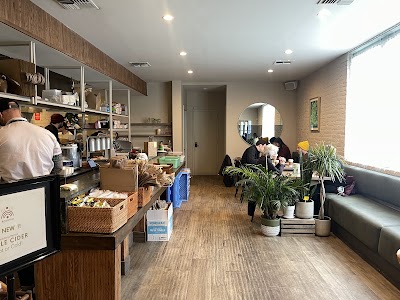
Kasama
€€€€Ukrainian Village
The world's first Michelin-starred Filipino restaurant, operating as a bakery by day and a modern tasting menu by night.
Signature — Mushroom adobo with shaved truffles
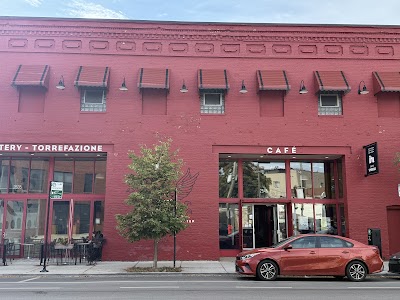
Redhot Ranch
€Bucktown
A no-nonsense, cash-only hot dog and burger stand that epitomizes late-night Chicago dining.
Signature — Double cheeseburger served with fresh-cut fries
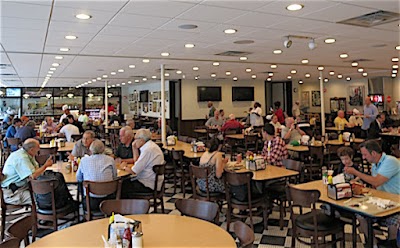
Manny's Cafeteria & Delicatessen
€€South Loop
A historic Jewish deli where politicians and locals rub shoulders over massive sandwiches.
Signature — Corned beef sandwich on rye with a potato pancake
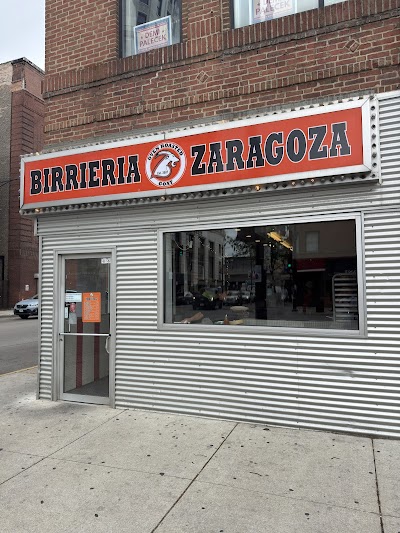
Birrieria Zaragoza
€€Archer Heights
A family-run spot dedicated entirely to perfecting Mexican roasted goat.
Signature — Birria tatemada (roasted goat) with handmade corn tortillas
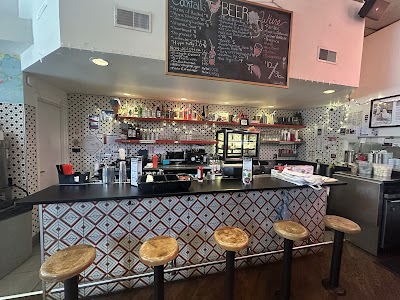
The Chicago Diner
€Logan Square
A legendary meat-free diner serving hearty vegetarian comfort food since 1983.
Signature — The Radical Reuben sandwich and vegan milkshakes
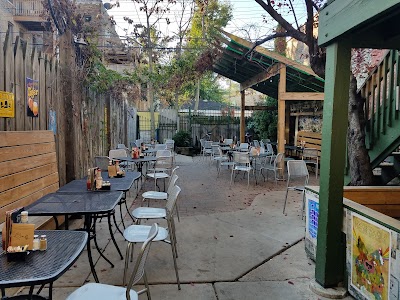
Handlebar
€€Wicker Park
A bike-friendly neighborhood bar serving hearty vegetarian and vegan comfort food alongside craft beer.
Signature — Fried avocado tacos and vegan biscuits and gravy
After dark
Nightlife
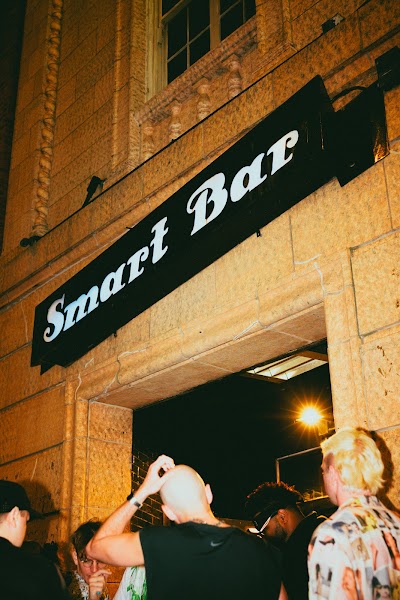
Smartbar
Wrigleyville
A legendary basement club beneath the Metro, hosting world-class house and techno DJs on a historic sound system.
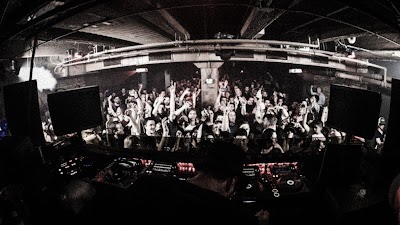
Spybar
River North
An intimate subterranean space that has been a pillar of Chicago's electronic music scene for decades.
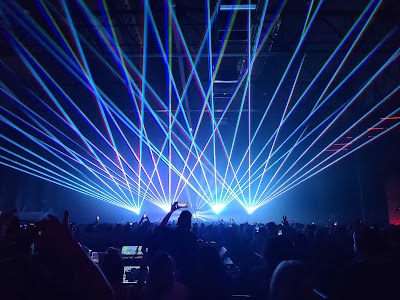
Radius
Pilsen
A massive, state-of-the-art warehouse space hosting major global electronic music acts.
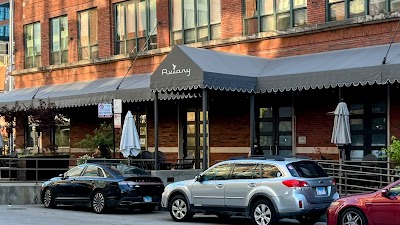
The Aviary
West Loop
A high-concept cocktail lounge where drinks are treated as culinary art projects.
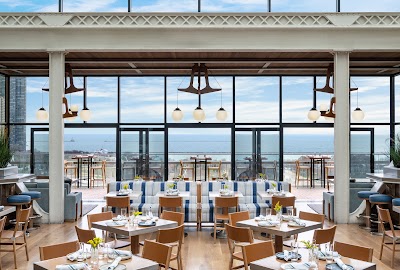
Cindy's Rooftop
Loop
A glass-walled rooftop atrium offering unparalleled views of Millennium Park and Lake Michigan.
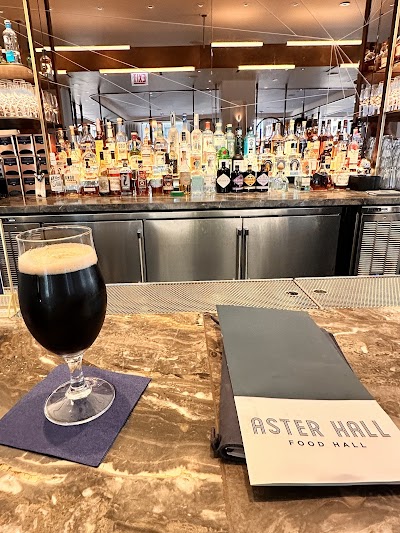
Green Mill Cocktail Lounge
Uptown
A historic jazz club once frequented by Al Capone, featuring live music every night in an untouched 1930s room.
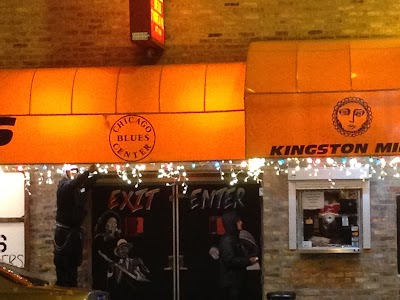
Kingston Mines
Lincoln Park
A legendary, late-night blues institution operating two stages until the early morning hours.
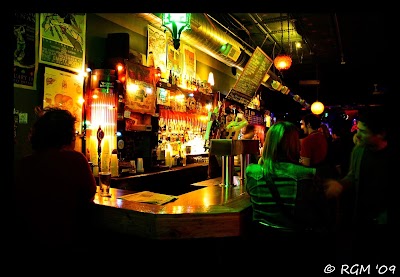
Empty Bottle
Ukrainian Village
A beloved indie rock dive bar hosting cutting-edge underground bands and cheap beer.
Art & history
Culture
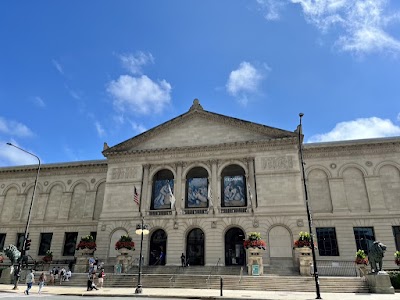
Art Institute of Chicago
Loop
Houses one of the world's most comprehensive collections of Impressionist and Post-Impressionist art.
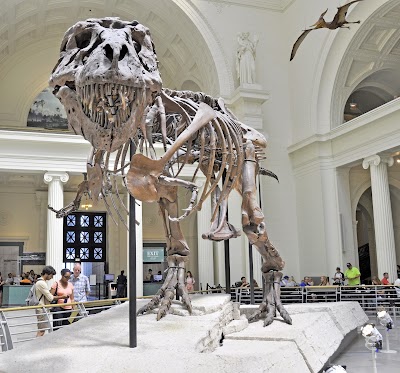
Field Museum of Natural History
Museum Campus
Home to SUE, the most complete Tyrannosaurus rex skeleton ever discovered.
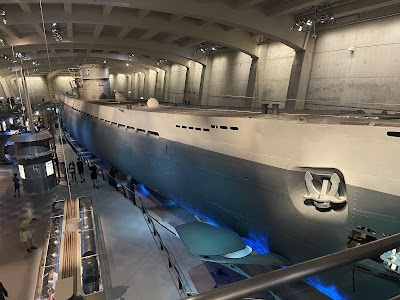
Museum of Science and Industry
Hyde Park
Housed in the only remaining building from the 1893 World's Fair, featuring a real German U-505 submarine.
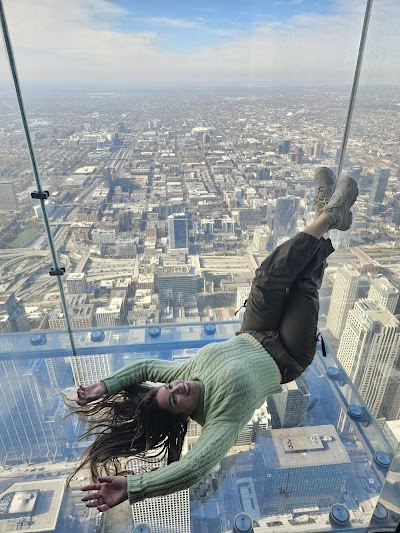
Willis Tower Skydeck
Loop
Step onto 'The Ledge,' a glass balcony suspended 103 floors above the city streets.
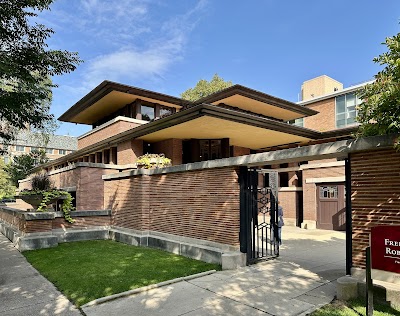
Frank Lloyd Wright's Robie House
Hyde Park
The definitive masterpiece of Prairie School architecture, showcasing horizontal lines and art glass.
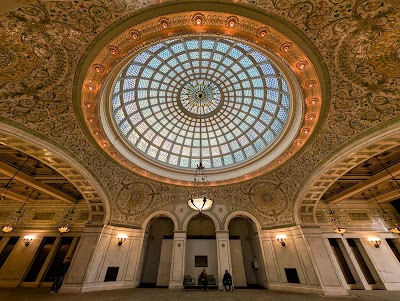
Chicago Cultural Center
Loop
Features the world's largest Tiffany stained-glass dome in a stunning neo-classical building.
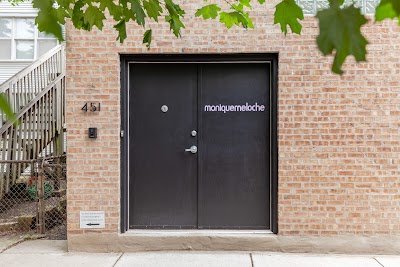
Monique Meloche Gallery
West Town
Renowned for launching the careers of major contemporary artists with a focus on diverse voices.

Kavi Gupta Gallery
West Loop
A high-profile contemporary art gallery representing major international and Chicago-based artists.
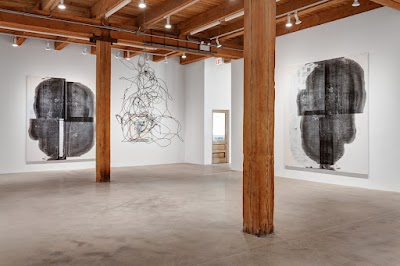
Corbett vs. Dempsey
Wicker Park
Focuses on mid-century Chicago artists, avant-garde contemporary work, and rare jazz records.
Book ahead
Top-rated experiences in Chicago

Small-Group Sightseeing Boat Tour in Chicago
from $89

Private Sailing on Beautiful Lake Michigan - Navy Pier, Chicago
from $508

Chicago Walking Tour: Connecting Past and Present
from $35

Chicago Haunts and Hooligans Tour
from $35

Chicago Shoreline Adventure Boat Tour
from $90

Chicago Photo Walk to Bean and Landmarks
from $169

Private Chicago History Museum Tour
from $162

Chicago Scenic Driving Tour
from $315
Prices from Viator; we may earn a commission when you book — at no extra cost to you. Tours are sold and operated by Viator, the merchant of record. Ratings are collected by Viator and Tripadvisor.
Timing
When to visit
Spring
April to May brings highly unpredictable weather, ranging from late snowstorms to warm afternoons. Tulip displays line Michigan Avenue, and museum crowds are thin.
Summer
June to August is when the city comes alive. Street festivals take over neighborhoods every weekend, the lakefront beaches open, and hotel rates peak.
Autumn
September to October is the sweet spot. The air is crisp, fall foliage fills the parks, and the summer crowds have departed.
Winter
November to March is brutally cold with heavy snowfall and biting winds off the lake. However, hotel prices drop significantly and indoor attractions are empty.
What it costs
Budgeting
Logistics
Getting around
From the airport
From O'Hare (ORD), take the CTA Blue Line train directly to the Loop (approx. 45 minutes). From Midway (MDW), take the CTA Orange Line (approx. 30 minutes). Both options cost under €5 and bypass highway traffic.
Public transit
The Chicago Transit Authority (CTA) operates the 'L' train system and an extensive bus network. It is highly efficient, safe, and covers almost all areas of interest to travelers.
Passes & tickets
A 1-day or 3-day CTA transit pass offers unlimited rides on all trains and buses and is highly economical (€ band). Purchase via the Ventra app or at station kiosks.
On foot
The Loop, River North, and the lakefront are exceptionally walkable. However, the city is geographically massive; traveling between distant neighborhoods requires transit or rideshares.
Travel smart
Safety & etiquette
Local etiquette
- •Never ask for ketchup on a hot dog; it is considered a major culinary faux pas.
- •Stand on the right and walk on the left of escalators in transit stations.
- •Tipping of 18-20% is standard and expected at all sit-down restaurants and bars.
From the ground
Practical tips
1
Avoid Navy Pier unless traveling with small children; it is a commercialized tourist trap lacking authentic local character.
2
Buy museum tickets online in advance to skip the massive ticket lines, especially at the Art Institute and Shedd Aquarium.
3
Take the water taxi instead of a standard tour boat for a cheap, scenic transit option along the Chicago River.
4
If visiting in winter, invest in a knee-length down coat and boots with good traction; the wind tunnels between skyscrapers are brutal.
5
Check the baseball schedule before booking; game days drastically increase transit crowds and hotel prices in Wrigleyville.
6
Download the Ventra app before arriving to easily pay for trains and buses with your phone.
Chicago FAQs
Is deep-dish pizza really what locals eat?
No, locals actually eat thin-crust tavern-style pizza cut into squares for their regular meals, saving deep-dish for special occasions or when hosting visitors.
Why is it called the Windy City?
While the wind off Lake Michigan is real, the nickname actually originated from 19th-century journalists mocking the city's long-winded politicians.
Can you swim in Lake Michigan?
Yes, during the summer months (mid-June to September), the water is warm enough and there are dozens of free public beaches along the lakefront.
Which airport is better to fly into?
O'Hare is larger with more international flights, while Midway is smaller, closer to downtown, and much easier to navigate.
Do I need to rent a car?
No, parking is incredibly expensive and the CTA train and bus network can easily get you to every major attraction and neighborhood.